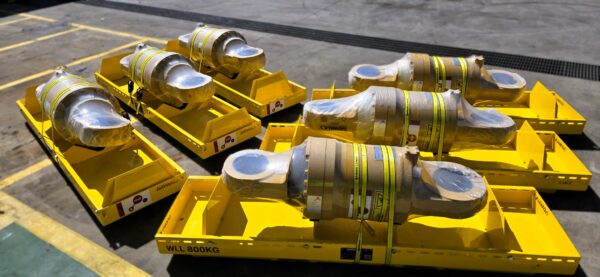
The discovery of metallic minerals plays a vital factor in the progress of our world. It provides a multitude of purposes to human beings, especially in the industrial and manufacturing sector. Metal is also a good conductor of electricity and heat. They also make an excellent foundation for massive structures. There are some factors in the industry that need storage and warehousing solutions that get overlooked when caring for stored equipment, merchandise, and metal cages. And sometimes we tend to become complacent and let our tools sit around, as long as they don’t come in contact with water. But metal is different from other materials. It requires special treatment and conditioning of the area to keep metal rust-free.
We all know that corrosion is the number one weakness of all metals. As durable and as expensive as tools might be, we mustn’t forget that even a tiny dirt accumulation could cause materials as robust as steel to become porous and susceptible to corrosion. But what is metallic rust? And why does it destroy steel?
What Makes Metal Permeable to Corrosion?
Pure metals come from the Earth’s crust and have been extracted from ores and stones. They are mixed with other minerals to create different materials that are made according to their designed purpose, and some products are made more stringent that they can resist corrosion. There are several types of steel manufactured today, but the most commonly used are aluminium and iron. Fundamentally, steel materials are a valuable component to almost every material thing.
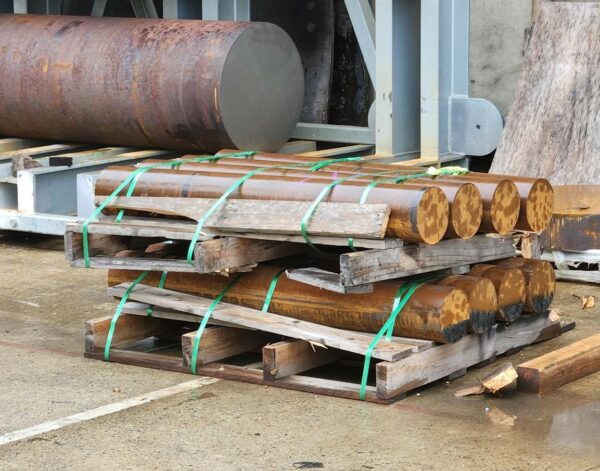
When oxygen, gasses, and moisture or liquids meet with metal, a particular reaction called oxidation is its natural process. When this occurs, the tendency to corrode in the metallic surface is relatively high. Once this reaction transpires, rust will deliberately fuse and penetrate the core making it more porous to damage. The process may also contaminate other essential equipment, but if maintenance is irregular, it can result in massive and untreatable property loss which is why it is best to make sure to take immediate action once the damage is found.
Corrosion and Oxidation: What to Consider in Industrial Environments
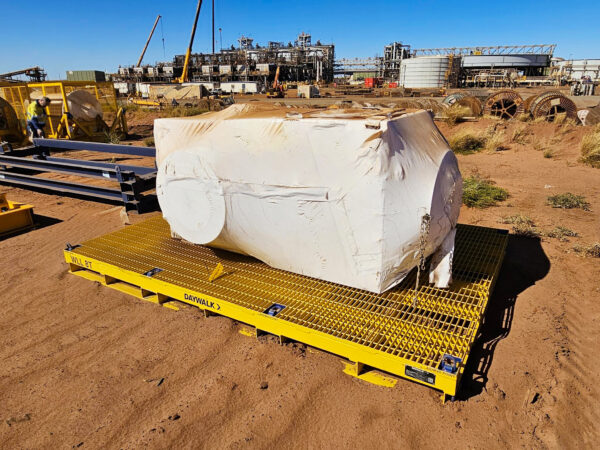
Corrosion is more than a cosmetic issue when steel cages are used around mines, workshops and outdoor storage areas. Underground mining environments can expose equipment to high humidity and moisture, while coastal operations add salt-laden air to the mix. Wash-down areas, wet components, dust and chemicals can also accelerate corrosion, particularly around welds, joints and damaged coating.
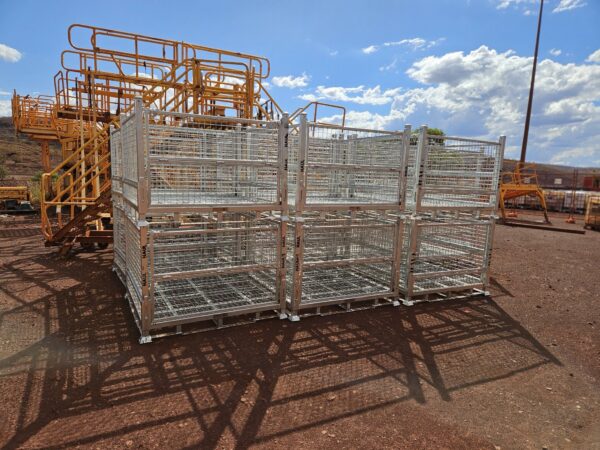
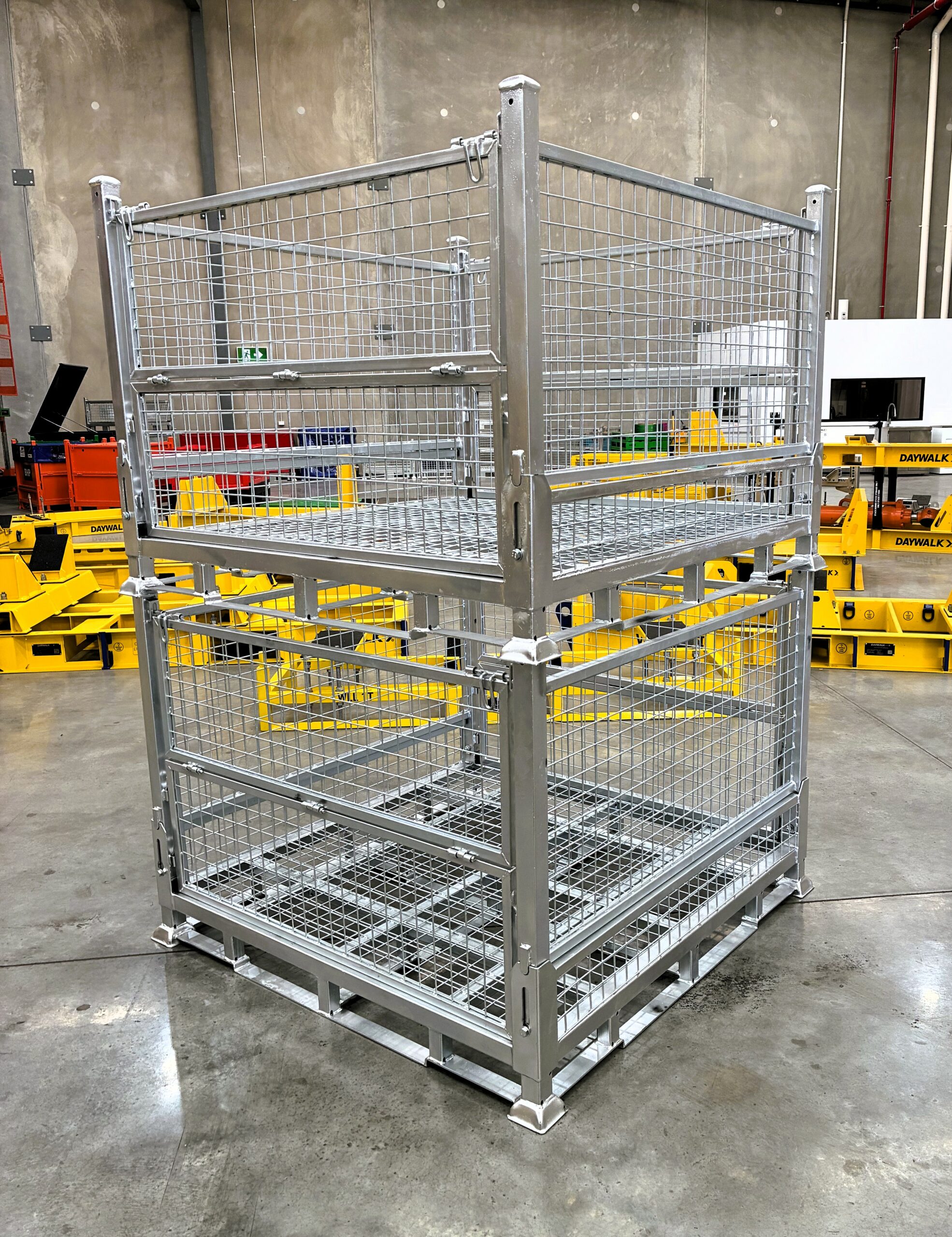
For these environments, the finish of the cage matters. DAYWALK’s heavy-duty steel cages are available with a hot-dip galvanised finish, which provides a protective zinc coating over the steel and is designed to withstand moisture and weather exposure. The 500 mm and 800 mm International Cages, for example, are hot-dip galvanised and designed for heavy-duty storage and handling.
For enclosed storage, DAYWALK’s Secure-A-Move sheeted cages use a powder-coating primer containing zinc to provide enhanced corrosion protection for mild steel. The design also includes rubber seals to help protect stored components from external conditions.
Choosing the right finish should therefore start with the environment where the cage will spend most of its life. A cage stored inside a dry workshop has different requirements from one sitting in an exposed mine yard, coastal facility or wash-down area.
A Practical Maintenance Checklist for Steel Cages
Regular inspection is one of the simplest ways to prevent a small corrosion issue from becoming a structural or maintenance problem. For industrial operators, include the following checks for your metal cages, as part of routine inspections:
- Inspect for surface rust, particularly around welds, joints, corners and areas where the coating has been damaged
- Check load-bearing and high-stress areas for bending, cracking or other damage
- Inspect doors, hinges, gates and locking mechanisms to make sure they operate correctly
- Check WLL guidance and train staff to load properly
- Ensure that cage labels remain visible and legible
- Inspect the galvanised or painted finish for chips, scratches, flaking or exposed steel
- Look underneath the cage where dirt, water and debris can collect
- Inspect safety features including cambered under-rails, to ensure they are in good working order
- Keep drainage points and mesh areas clear so water does not remain trapped
- Clean off mud, salt, dust and chemical residue, particularly after outdoor or coastal exposure
- Record damage and repairs so recurring problems can be identified
- Remove damaged cages from service until they have been assessed, repaired or replaced
This general cage maintenance guidance recommends regular cleaning and visual inspection, with particular attention to load-bearing and highly stressed areas. We also recommend taking a cage out of service if damage is identified or its WLL information is no longer legible. If you have any concerns about your metal cages, talk to DAYWALK. We can help you determine if the cage requires minor maintenance, repair or a replacement.
Choose the Right Cage for the Environment
The best metal cage is not simply the one with the highest load rating. Consider where the cage will be stored, what it will contain, how often it will be moved and how much exposure it will receive.
For outdoor, wet or coastal environments, hot-dip galvanised cages provide additional corrosion protection. For enclosed storage where protecting the contents from weather and contaminants is important, sheeted cages can provide a more enclosed solution. DAYWALK offers both galvanised mesh cages and sheeted steel storage solutions for different industrial applications.
The right cage can also reduce maintenance time by making components easier to access, inspect and move. Features such as stackability, pallet-racking compatibility, forklift access and removable or lockable components can make a noticeable difference to day-to-day warehouse operations.
Steps to Maintaining Metal Equipment & Parts in Storage
Here’s some simple tips to maintain your metal components and work equipment.
1. Purchase quality storage cage products
The price of materials can be a guarantee that it is from a superior class compared to other brands that are cheap which are mostly made in low quality.
2. Consider effective rust prevention
If you already have your warehouse tools and equipment, also invest in rust preventive measures. It is also vital to sustaining the condition of metallic products by choosing the best anti-corrosion and protective coatings to ensure its safety.
3. Store equipment according to usage
If critical spares are hardly used, separate it from others to avoid contamination through dust, moisture and pests present in the used equipment.
4. Regular inspections
When storing critical spares, it is always advisable to have them checked regularly to maintain exceptional condition.
DAYWALK for the Best Metal Cages
DAYWALK metal cages and steel products are guaranteed from corrosion and easily maintained because they are well coated against corrosion or rust. For more information about our steel and metal products, see our complete range of industrial storage solutions.