Mining operations deal with a constant flow of components, maintenance parts, tools and equipment moving between workshops, warehouses, yards, mine sites and suppliers. The challenge isn’t simply finding somewhere to put these items. Mining storage needs to protect equipment, make components easy to identify and access, maximise available space and support safe handling. When those requirements aren’t considered together, storage can quickly become a logistics problem. Parts end up on timber pallets, loose on the workshop floor or stored in unsuitable containers. Components can become damaged, difficult to find or unsafe to handle. Forklift movements increase, manual handling increases and valuable floor space disappears. Purpose-built steel cages and stillages provide another option. DAYWALK’s steel cage range is designed for industrial storage and handling, with options for workshops, warehouses, outdoor storage and remote posts. Read on to learn more about steel cages for storage and logistics.
What Should You Consider When Choosing a Mining Storage Cage?
There is no single cage that suits every component. The best storage solution for your mining operations depends on several factors:
- Component weight – the working load limit (WLL) needs to suit the maximum intended load
- Component dimensions – oversized or irregular parts may need larger or double-width cages
- Access requirements – consider whether operators need to retrieve items from the front, side or top
- Handling equipment – check compatibility with forklifts, pallet jacks and pallet racking
- Storage location – indoor workshops have different requirements from outback yards or coastal situations
- Stacking requirements – where floor space is limited, a stackable cage can increase storage density.
- Security – lids, gates and enclosed sides can help prevent components from being misplaced, damaged or accessed without authorisation
- Environmental exposure – galvanised or sheeted cages can provide greater protection in harsh environments
- Transport requirements – while DAYWALK steel cages are made to be moved, there are other options such as containers and pallets that may be more suitable for the transportation of components
Steel Cages for Mining Workshops and Warehouses
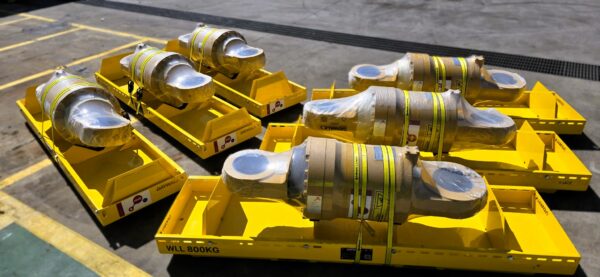
Mining workshops often hold a large number of components that are too valuable, heavy or irregular to store efficiently on standard shelving.
Examples include:
- Hydraulic components
- Valves and cylinders
- Hoses and fittings
- Maintenance parts
- Tooling
- Fabricated components
- Electrical and mechanical parts
- Repairable components awaiting inspection
- Shutdown spares
- Items returning from off-site repair
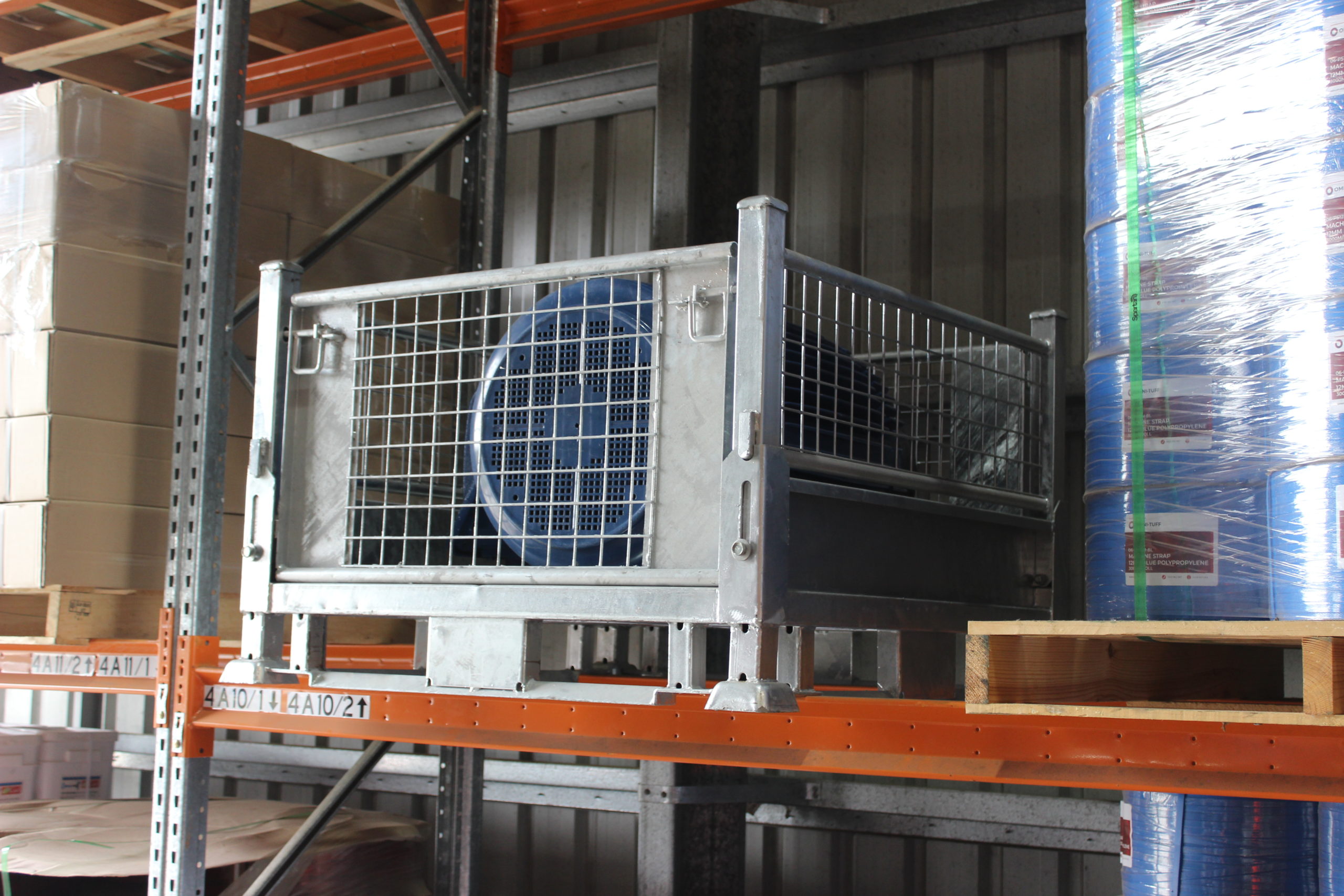
A cage provides a defined storage location for these items while making them easier to move as a group. Mesh-sided cages also provide visibility into the contents, which can be useful where warehouse teams need to identify parts quickly without opening multiple containers. For mining operations, that visibility matters. Finding a component quickly can be the difference between getting equipment back into service and spending additional time searching, handling and relocating parts.
Cage Applications for Different Work Environments
Steel cages can be used across mining environments, from warehouses and workshops to outdoor laydown yards and remote or offshore operations. They provide a practical way to store and protect components, tools, spares and equipment while making them easier to handle, move and access.
1. Maintenance workshops
Workshops can accumulate large quantities of components between jobs. Instead of leaving parts on the floor or using different types of temporary containers, cages can provide designated storage locations for components waiting for inspection, repair or installation.
For example, a mine site workshop might allocate individual cages to pump components, hydraulic equipment, valves, electrical components, shutdown parts and repairable assemblies. Labelling each cage can also make inventory control easier.
2. Mine Site Yard
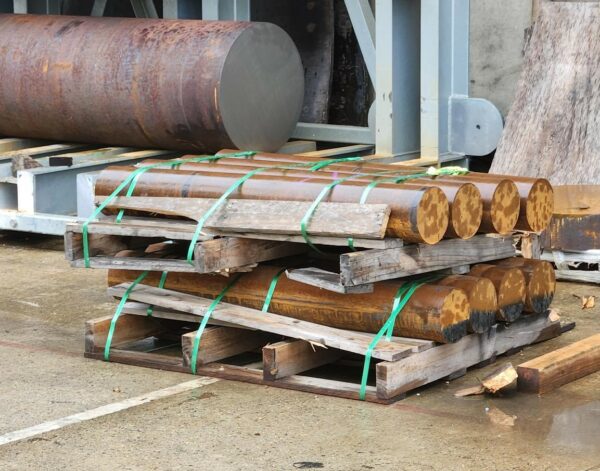
Outdoor laydown areas are often exposed to weather, vehicle movements and constantly changing inventory. Stackable steel cages can help create defined storage locations rather than allowing components to spread across the yard. Where components need additional weather protection, sheeted cages or covers can be considered.
3. Shutdown storage
Shutdowns can create a temporary spike in the number of components stored at a mine. Stackable cages can increase the amount of equipment stored within a defined footprint, while collapsible cages provide a way to reduce their storage footprint when the shutdown is complete. Remote shutdown operations can benefit from steel cages, servicing as a secure drop off point for all necessary tools and components.
4. Parts awaiting repair or return
Mining components frequently move between the mine, workshop, OEM, repairer and supplier. A cage can provide a defined location for components in transit or awaiting the next stage of the process. This can reduce the risk of components being mixed with serviceable stock or being left exposed to damage.
Why Cage Design Matters for WHS
Storage equipment is part of the workplace environment. Poorly designed or poorly managed storage may not have the safety features necessary for demanding industrial environments.
An ineffective cage design can introduce risks including:
- Falling or shifting components
- Unstable stacks
- Forklift and pallet-jack interactions
- Manual handling injuries
- Crush and pinch points
- Damaged racking
- Blocked accessways
- Uncontrolled movement of equipment
- Components falling during loading or unloading
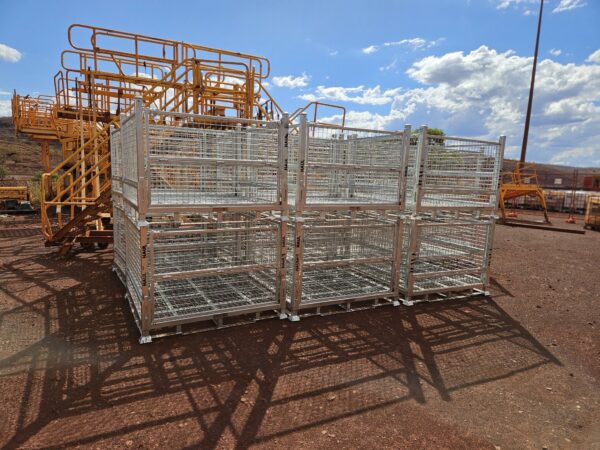
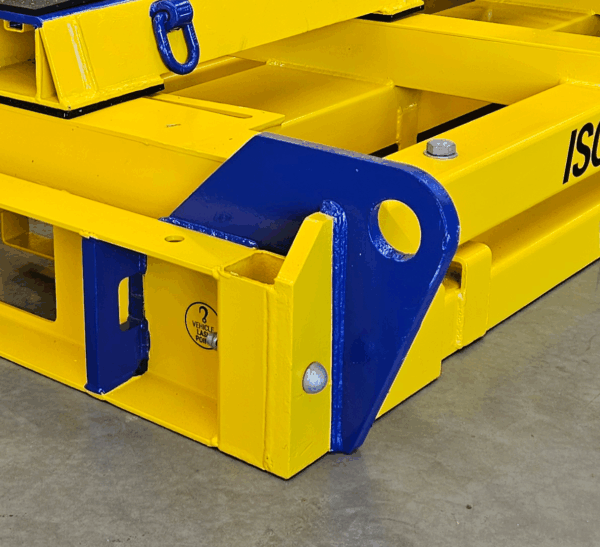
DAYWALK offers cages with a range of safety features to prevent incidents and accidents, as well as damage to people and property when storing and moving components. Features include cambered under-rails to ensure safe placement on racking, strong steel mesh construction, easy to use fold down gates, and a 1T UDL rating.
Mining Operations and Cages: Flow of Components
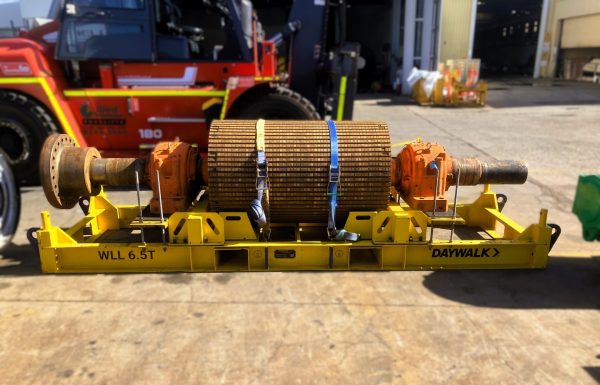
For mining operations, storage equipment needs to do more than hold parts. Mining equipment storage should help the site create a safer, more organised and more predictable flow of components. DAYWALK‘s steel cage and stillage range includes full mesh cages, sheeted cages, pallet-based cages and oversized stillages, with options for different WLLs, dimensions, access requirements and handling methods.
A suitable steel cage can provide:
- Defined storage locations
- Improved component visibility
- Smarter use of warehouse and yard space
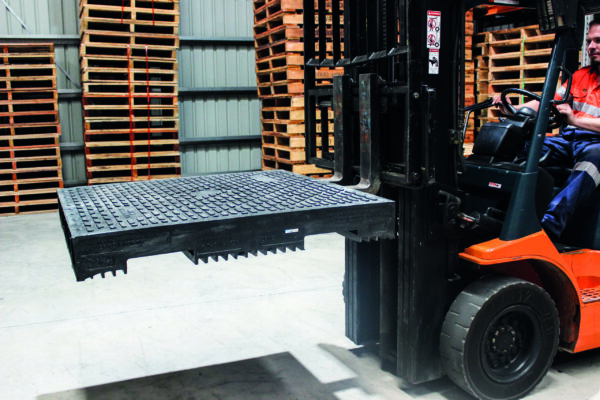
- Easier and safer forklift and pallet-jack handling
- Protection from damage and environmental exposure
- More controlled movement of parts
- Reduced reliance on temporary storage methods
Need Help Selecting Your Steel Cages?
DAYWALK supplies steel cages and stillages for mining, workshops, warehouses and heavy-industry applications across Australia.
If you’re dealing with limited storage space, difficult-to-handle components, outdoor storage or an existing cage system that isn’t working well, talk to the DAYWALK team about the load, dimensions, handling method and environment. We can help identify a suitable off-the-shelf or purpose-built solution.