Pallets with standardised dimensions are used to ensure goods can be transported and stored safely. Pallet size directly affects how goods interact with racking, forklifts, transport vehicles and storage systems. Using pallets that fall outside average pallet dimensions can cause inefficient space use, handling difficulties and increased safety risks. In Australia, the most common standard pallet size is 1165 x 1165 mm. However, there are a number of recognised variations between applications and industries, which we’ll delve into in this article. We’ll also cover how Australian standards compare to international pallet sizes, as well as the sizing variances between pallets made of different materials. With this information, you’ll gain a clearer understanding of industrial pallet dimensions, enabling you to purchase the right equipment for your loads with confidence.
What Are the Standard Australian Pallet Dimensions?
Australian pallet dimensions conform to AS4068: 1993 (Flat pallets for materials handling), AS4084. 1:2023 (Steel storage racking – Design) and AS 4084.2:2023 (Steel storage racking – Operation and maintenance). These standards ensure the pallet is compatible with transport and racking systems.
The two most recognised standard Australian pallet dimensions are:
- 1165 x 1165 mm – the size used in Australian warehouses to suit racking systems.
- 1100 x 1100 mm – for use in ISO Series 1 freight containers, and for export.
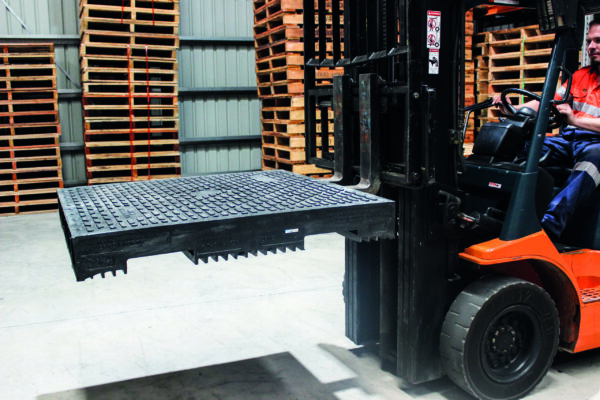
The 1165 x 1165 mm pallet is the size most businesses default to, as it aligns with the widths of forklift tines and fits securely on standard racking systems.
Pallet racking that complies with AS 4084-2023 typically uses an outside-to-outside beam dimension of 840 mm, allowing the pallet to sit securely on the rack without overhanging excessively or becoming too difficult to load.
Do Australian Pallet Dimensions Differ to International Standards?
Yes. Standard pallet dimensions vary by country, in order to support different racking systems, transport infrastructure and handling equipment. Consider these differences to Australian standards if you intend to ship goods internationally.
Common overseas pallet sizes include:
- 1219 x 1016 mm – the 48 x 40 inch pallet is the most common pallet size in North America.
- 1200 x 800 mm – also known as the EUR-pallet and used throughout Europe.
Does the Material Impact Average Pallet Dimensions?
While the footprint of industrial pallets is standardised, small variations in board thickness, deck layout and overall height can result from the material used. Different materials will also alter the maximum loading capacity of a pallet.
What Are the Standard Steel Pallet Dimensions?
Steel pallets usually mirror the footprint of their timber counterparts. They’re typically chosen for applications where the pallet will repeatedly see heavy loads or be used in harsh environments.While the dimensions remain similar, two steel pallets may still present a slight variation in deck configuration and overall load capacity.
What Size Are DAYWALK Steel Pallets?
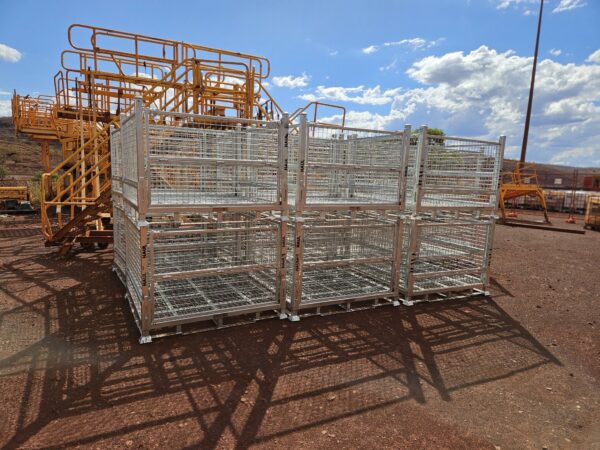
DAYWALK offers a full range of steel pallets to suit a range of applications for heavy industry. Including certified for transport pallets and pallet racking options, the DAYWALK steel pallet range comes in a range of sizes, load ratings, deck types and fork clearance to suit all operations.
These steel pallet specifications include:
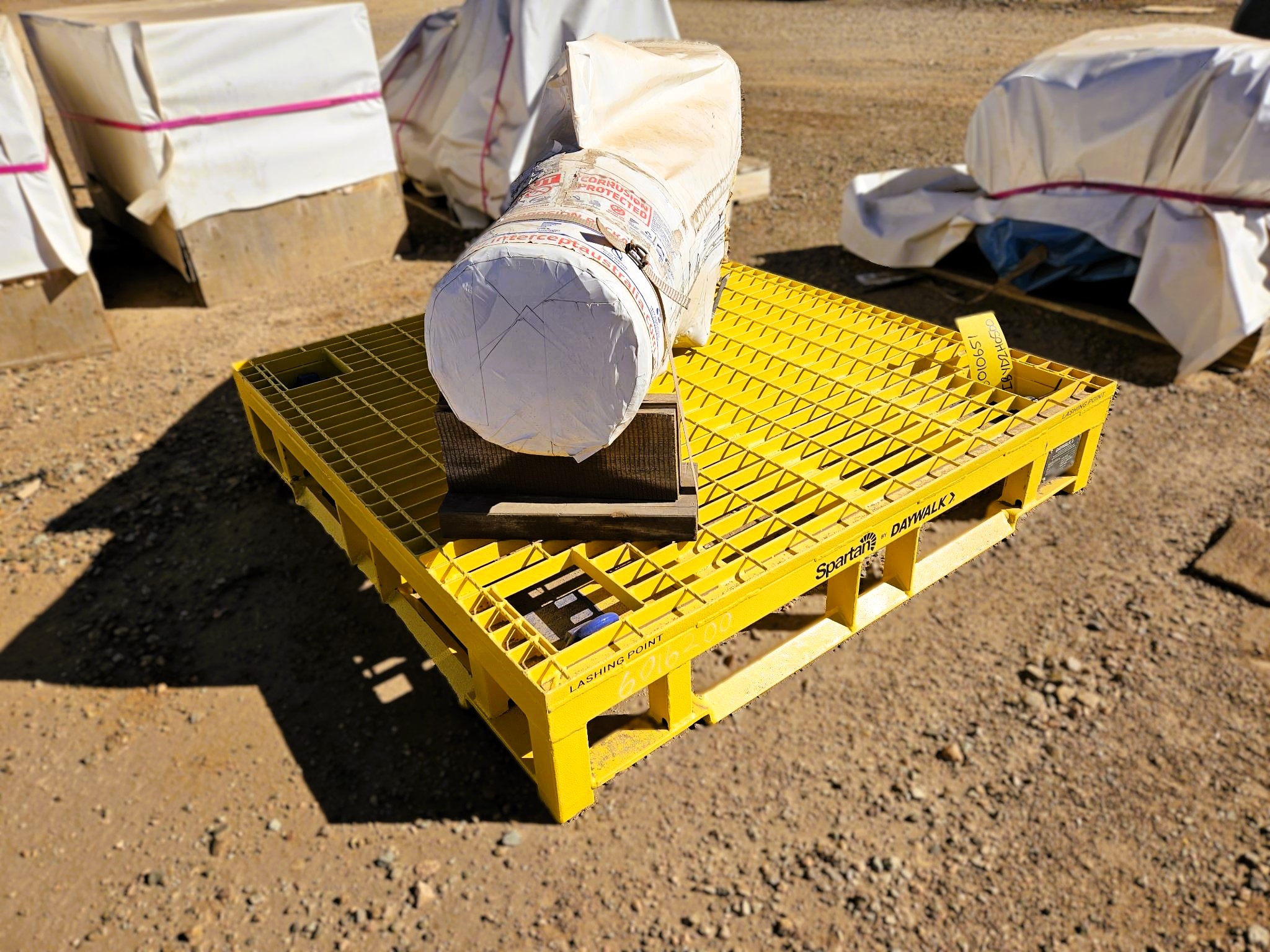
DAYWALK Standard Steel Pallet Range 1160 x 1160 mm
Models include The Xyphos 4T Steel Pallet, Xyphos PLUS 4T Steel Pallet, 1T Spartan Steel Mesh Pallet, and 3T Adapta Heavy Duty Steel Pallet.
Double Steel Pallet Range 2300 x 1150 mm
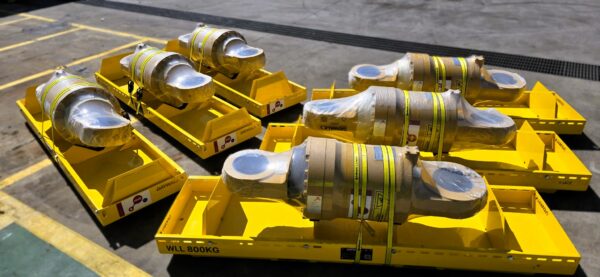
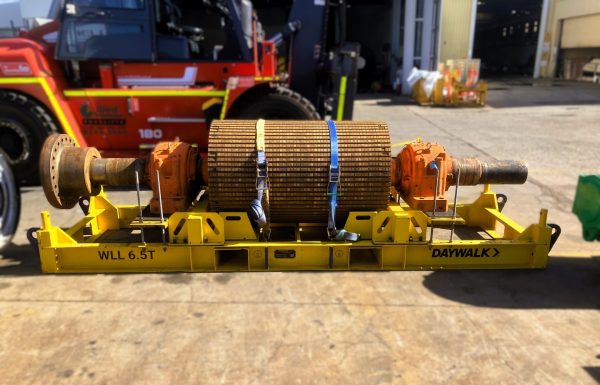
The double pallet offering includes The Double Xyphos 4T Steel Pallet, 2T Spartan Steel Pallet Mesh, 3T Adapta Heavy Duty Steel Pallet and C18 Engine Transport Pallet, which are similar sizes but offer different load capacities.
Alternate Pallet Sizes
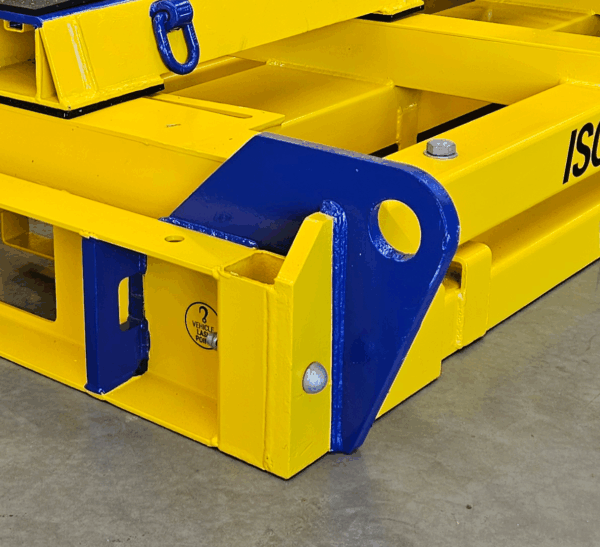
DAYWALK’s steel pallets are also available in half sizes, to save floor space with the 1T Spartan Half model measuring 1160 x 580 for thinner widths. Our large component range, the Adapta Pallet system, includes a multitude of different sizes and capacities up to 12T and measuring 3500 x 2320 mm. If you’re unsure which pallet size will suit your component, talk to our experienced team who can guide you through the options.
What Are the Dimensions of a Standard Wooden Pallet?
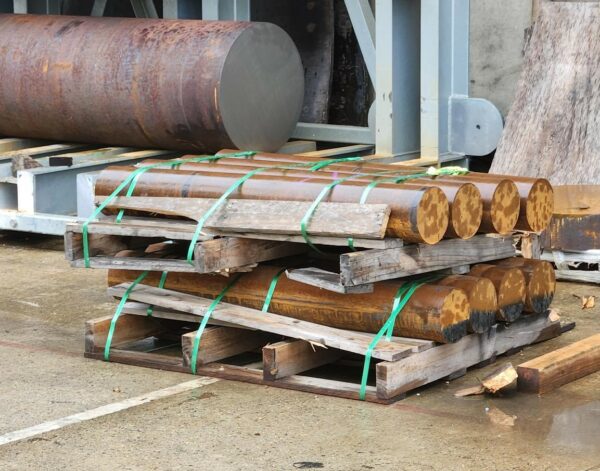
Standard wooden pallets usually measure 1165 x 1165 mm in Australia, regardless of whether they’re made of hardwood or pine. Both timbers are compliant with AS 4068-1993 when constructed correctly. To ensure compatibility with racking systems, make sure the pallet fits securely across the beams of the rack. However, as timber is prone to failure and breakages, it’s vital that wood pallets are reguarly inspected to ensure they remain fit-for-purpose. The height of a standard pallet made of timber is usually no more than 150 mm, with small variations occurring based on the thickness of the board and the bearers.
What Size and Length Boards Comply with Average Pallet Dimensions?
The way a pallet is constructed is just as important as the overall footprint when it comes to secure storage and transportation.
As a guide, timber pallets manufactured to Australian standards should have the following features.
Bottom Boards
- Entry/leader boards (front and back boards of the pallet): up to 150 mm wide
- Intermediate boards: minimum 95 mm wide
- Minimum board thickness: 22 mm (25 mm commonly used)
Bearers
- Three bearers common for standard pallets
- Minimum height: 90 mm (100 mm commonly used)
- Common width: 50 mm
Top Boards
- Leader boards: max 150 mm wide, min 22 mm thick
- Intermediate boards: min 95 mm wide, min 22 mm thick
Under AS 4068: 1993, the maximum pallet height in Australia is 150 mm. Pallets made to these dimensions best suit the standard racking systems used in Australian warehouses.
What to Do with Oversized Equipment
Not all loads fit within standard Australian pallet dimensions. Items that overhang a standard 1165 x 1165 mm pallet can make the load unstable, increase the risk of damage or injury while handling and make the goods incompatible with warehouse racking systems.
In these situations, consider using a double-width pallet or a custom solution tailored to the size and shape of your load.
If you’re wondering how to calculate pallet dimensions for a specific load, here are some handy tips:
- Measure the overall length, width and height of the load, taking into account protrusions and uneven edges.
- Choose a pallet with a footprint that fully supports the load.
- Make sure the pallet allows for the heaviest components of the load to be placed in or near the centre.
- Check the pallet’s forklift entry points are kept clear.
- Ensure the layout of the load on the pallet fits the racking system it will be stored on.
Final Takeaways
Standard Australian pallet dimensions are a determining factor in how safely goods are handled, transported and stored. The footprint of a pallet also contributes to the overall efficiency of your warehousing operation. While 1165 x 1165 mm is the most common Australian pallet size, differences in material choice and pallet construction can lead to small variations. If you have an oversized load or simply need more assistance in choosing the best pallet design for your application, our team can assist. Contact DAYWALK today to ensure your goods are transported and stored safely.