Pallets are the foundation of almost every warehouse, workshop and industrial facility. They keep components moving safely through storage, transport and maintenance, making them one of the hardest-working assets on site. Yet pallets are often overlooked until they fail. Whether you’re storing mining equipment spares, industrial components or other heavy industry parts, damaged pallets can lead to product damage, safety risks, transport delays and unnecessary replacement costs. In heavy industry, a failed pallet can also contribute to equipment downtime and compliance issues. The good news is that pallet damage is largely preventable. By choosing the right pallet (certified for transport and fit-for-purpose) and following a few best practices, you can significantly increase pallet lifespan while protecting the valuable equipment sitting on top.
Here are 8 simple tips to ensure that your pallets stay in top condition, so you can keep every part moving.
1. Start with the Right Pallet
One of the biggest causes of pallet damage is simply using the wrong pallet for the application. A lightweight pallet carrying heavy industrial equipment will quickly fatigue under repeated loading, transport and stacking. Likewise, timber pallets that perform well in general warehousing often struggle in harsh environments such as mining operations, outdoor storage and heavy manufacturing.
When selecting a pallet, consider:
- Load weight and centre of gravity
- Static and dynamic load ratings
- Stacking requirements
- Racking compatibility
- Indoor or outdoor storage
- Exposure to moisture, chemicals or harsh weather
- Transport requirements
Choosing a pallet that’s designed for your application is the most effective way to prevent premature failure.
2. Never Exceed the Load Rating
Every pallet has a safe working load limit.
Repeatedly exceeding this limit places unnecessary stress on the pallet structure, leading to bending, cracked boards, weld failures or complete collapse.
Overloaded pallets also increase the risk of:
- Damaged products
- Forklift instability
- Workplace injuries
- Transport incidents
Always verify the pallet’s rated capacity before loading. If it’s a timber pallet, make sure you understand the viability of the pallet and that excessive weight can affect the safety of the structure.
3. Handle Pallets Correctly with Forklifts
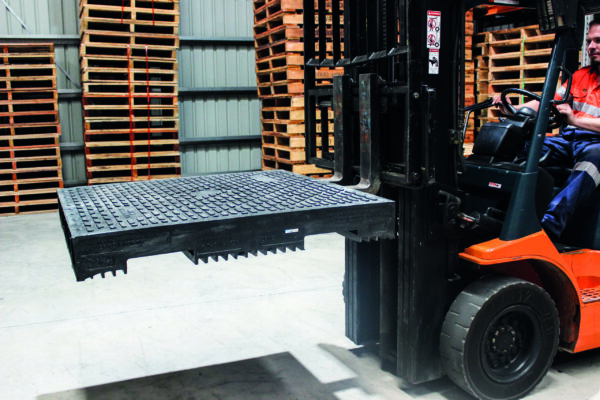
Forklift damage remains one of the leading causes of pallet failure.
Common mistakes include:
- Entering the pallet at an angle
- Striking the pallet with fork tines
- Dragging pallets across the floor
- Lifting uneven loads
- Using damaged forks
Operators should fully insert the forks before lifting, keep loads balanced and avoid sudden impacts.
Regular forklift maintenance also helps minimise accidental pallet damage.
4. Secure Loads Without Damaging the Pallet
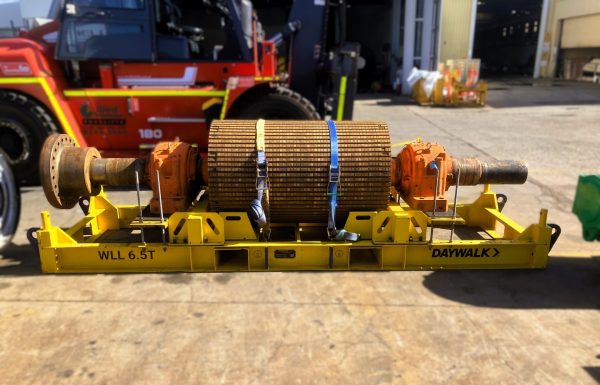
Poor load restraint can damage both the pallet and the product. Over-tightened straps may place excessive pressure on pallet decks, while loose restraint allows loads to shift during transport, increasing the likelihood of impact damage.
For heavy components, ensure that:
- Loads are evenly distributed
- Straps are correctly tensioned
- Components cannot move during transport
- Appropriate load restraint methods are used
Proper load restraint protects both the pallet and the valuable equipment it carries.
5. Use Accessories That Improve Stability
Pallet accessories help protect both loads and pallets.
Depending on the application, these may include:
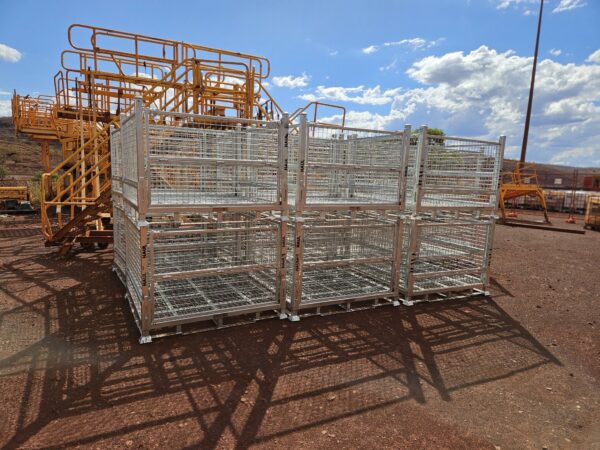
- Pallet cages
- Pallet collars
- Protective covers or hoods
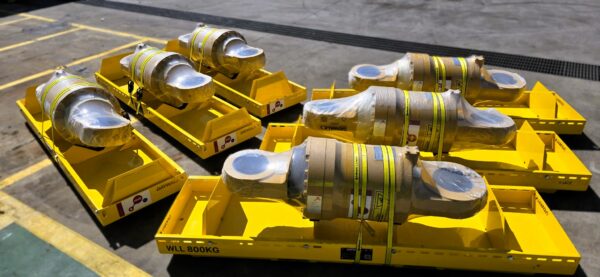
- Component-specific transport frames with chocks
- Anti-slip materials
- Use of pallet jacks for moving pallets
These accessories are used primarily to support the functions of pallets, in some cases easing or bracing the weight of the loads placed on pallets (as in the case of cages). Pallet collars can also be used to create compartments or divisions, which are useful for better stacking and racking of loads, in turn minimising potential damage to both pallet and product.
6. Store Pallets Properly
Even when they’re not in use, pallets can deteriorate if stored incorrectly.
Good storage practices include:
- Keeping pallets on level ground
- Protecting them from standing water
- Avoiding prolonged UV exposure where possible
- Storing in designated areas away from vehicle traffic
- Stacking safely to prevent distortion
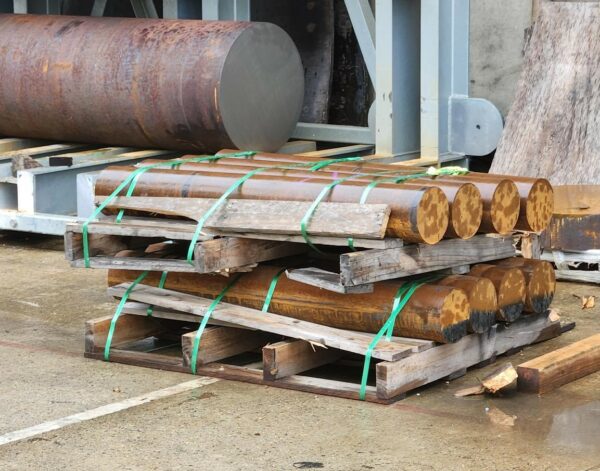
Timber pallets are particularly susceptible to moisture, mould and rot, while steel pallets benefit from routine inspection to identify any impact damage or corrosion.
7. Inspect Pallets Regularly
Small defects quickly become major failures if left unnoticed in timber pallets. While steel pallets may suffer impact damage, they are built to be a reusable, sustainable solution for long-term component transport and storage.
Inspect timber pallets for cracked timber, water damage, missing boards, protruding nails or excessive wear. You should also develop a regular inspection schedule for steel pallets, noting any rust or corrosion, fork tine damage, bent steel or issues with the welds.
Removing damaged pallets from service early helps prevent costly product damage and workplace incidents.
8. Consider Steel Pallets for Long-Term Performance
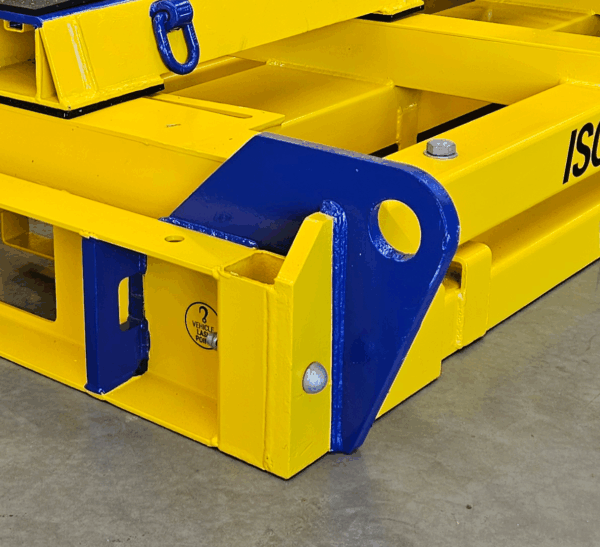
For industries such as mining, energy, defence and heavy manufacturing, steel pallets often provide a significantly longer service life than timber alternatives.
Steel pallets offer advantages including:
- Higher load capacities
- Better impact resistance
- Longer lifespan
- Certified for transport
- Improved weather resistance
- Reduced or no maintenance
- Greater consistency for repeated transport and storage
Many operations reduce total ownership costs through fewer replacements, less product damage and improved operational efficiency.
Protect the Pallet, Protect the Product
A pallet is more than just something to sit products on, it’s part of your material handling system. By selecting the correct pallet, training operators, following proper handling procedures and carrying out regular inspections, businesses can reduce pallet failures, protect valuable components and improve warehouse safety. For operations moving heavy or high-value equipment, investing in purpose-built industrial steel pallets and certified transport solutions can deliver long-term savings while helping eliminate unnecessary downtime. Contact DAYWALK to learn more about protecting your high-value components with the right pallet for the job.