Industries that transport equipment, parts, materials, and even waste need to take several steps to ensure that anything being transported isn’t damaged and that health, safety, and environmental risks are minimised. Time and time again, metal cages have proven themselves to be a safe and efficient method to transport almost anything from Point A to Point B.
Cages Minimise Risks When Transporting Goods
In any industry, the key risks when transporting goods include:
- Goods damaged in transit
- Pilferage and theft
- Unsecured loads coming loose and endangering other road users
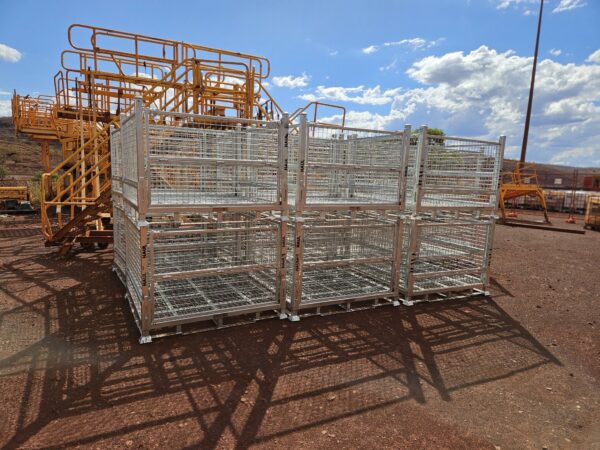
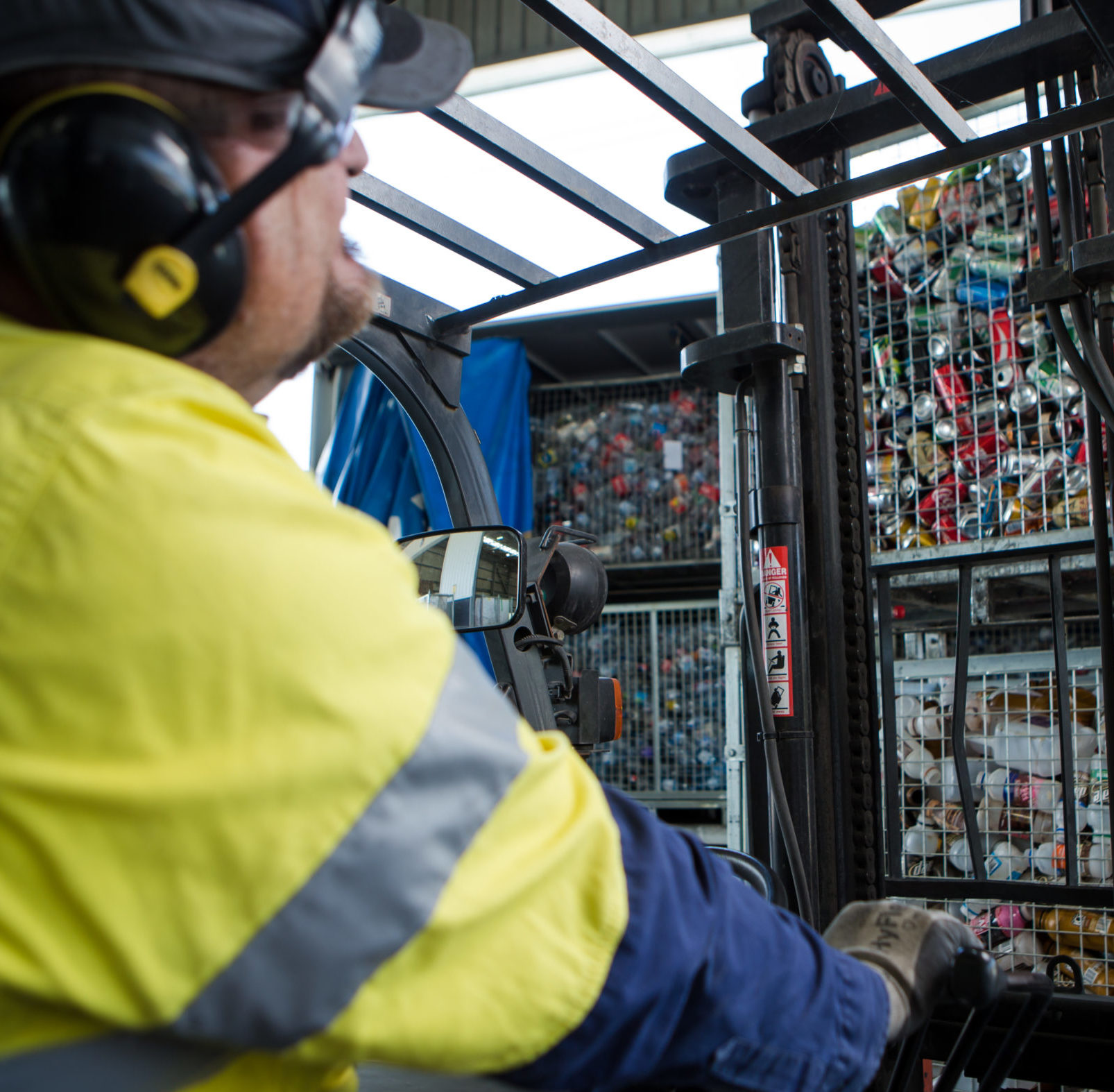
Steel mesh cages provide protection for items, as well as those that are handling and transporting them. Being able to move, transfer, load and unload goods safely and efficiently through the use of metal cages provides a safe and efficient solution for anyone in logistics.
Steps to Safer Transport with Metal Cages
- Ensure you select an appropriate form of transport for your requirements.
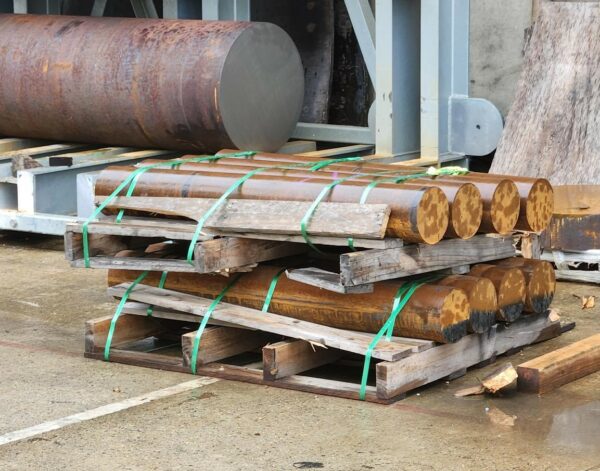
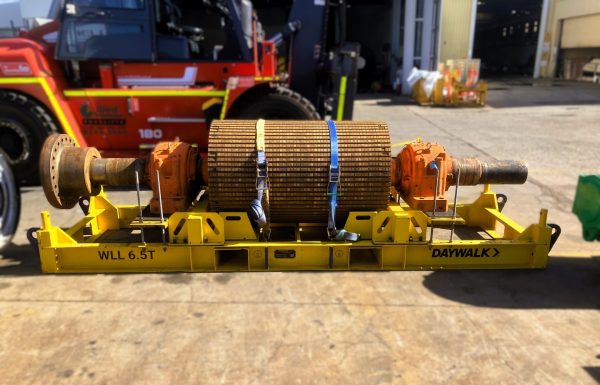
- Consider how best to protect large and heavy/unusual loads. This is where metal cages come in because cages are manufactured to carry large and heavy loads better than any wooden pallet can. Also, uneven or unusual loads are kept safe because they are able to be contained within the mesh sides.
- Make sure that loads are secure and weight is distributed evenly. Again, this is where metal cages such as those manufactured by DAYWALK prove their mettle. The steel mesh sides ensure that the load is secure and will not shift from side to side.
- Always take appropriate security measures. Metal cages from DAYWALK can be fitted with fold-down gates with lockable lid to prevent theft or pilfering.
- Ensure that suitable packaging, labelling, and containers are used. Often, the packaging itself offers proper protection for the goods.
What to Avoid When Storing Products In a Metal Stillage
- Humidity – always control the relative humidity (RH) of the room. Monitoring the RH can help balance the temperature, which allows proper ventilation in the environment to avoid moisture or perspiration buildup that can cause rust when exposed to steel.
- Mixing Items – it is always better to categorise items according to the type of product, as it helps locate the packages easily.
- Mishandling – when transferring stillages, always treat them with proper care to maintain their durability. A scratch or damage could be the beginning of a liability in the business.
- Overstacking – the requirement for standard height of stacking should be mandatory for every warehouse to avoid damage in merchandise and avert from accidents.
Transporting Goods in Steel Cages
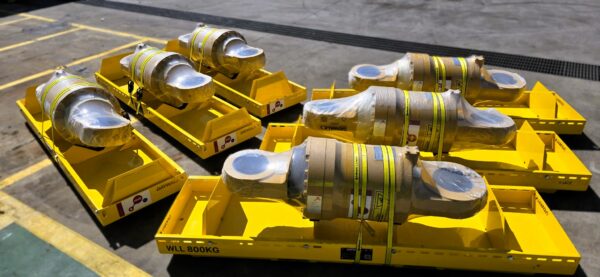
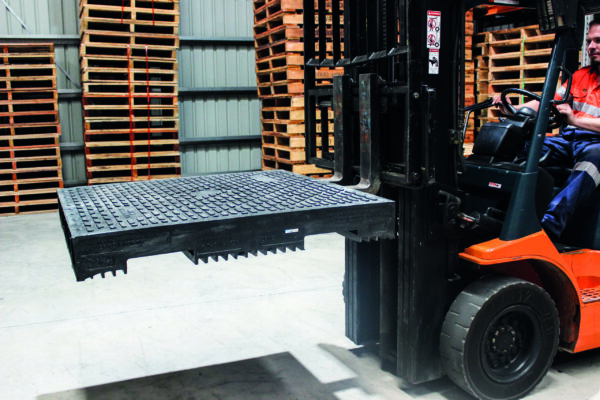
Metal or steel cages, also called stillages, are the ideal option for transporting fragile, uneven, or multi-item consignments, such as heavy wheel castors or large hoses. Stillages offer the best freight protection even for unstable and heavy solid objects such as heavy equipment, bulldozer tracks, GET (ground engaging tools) etc. Metal cages from DAYWALK have added protection and safety features that cannot be found with other traditional transport methods. They are also designed to be forklift and pallet jack compatible, making transport efficient as well as safe.