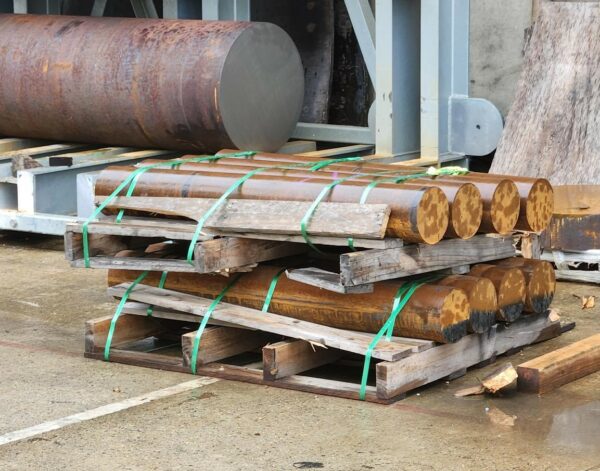
What is the cost of caring about safety? Well, this question can be explored from two angles, which we are going to do in this blog. Firstly, what will it cost you to care about, and to take measures to ensure safety. It will cost you the time it takes to review your processes, come up with strategies to improve them, and in some cases, to train your team. This can be a complicated process, as it involves drilling down into the detail of how your business operates, networking with your team, and researching how the safety risks you identify can be rectified. Caring about safety will also cost money. Implementing safe systems can often involve purchasing new equipment and supplies, whether it be to replace existing equipment that is failing, or in addition to your existing equipment, to make its operation safer. For example, if you were currently using timber pallets to transport components, and you identified that this could pose a risk on the road, you will have to purchase something to replace these timber pallets. Buying steel pallets is obviously more expensive than buying timber, but it is an investment in the health and well-being of not only your team, but the community in general.
Prioritising Safety for Component Transport
While caring about safety isn’t free, it is worth it, as letting unsafe processes continue can cost you more than it would to fix them. While meeting your CoR requirements, to ensure the safety of staff and others on the road, it’s important to understand what can go wrong, if safe transport and logistics aren’t properly understood or followed.
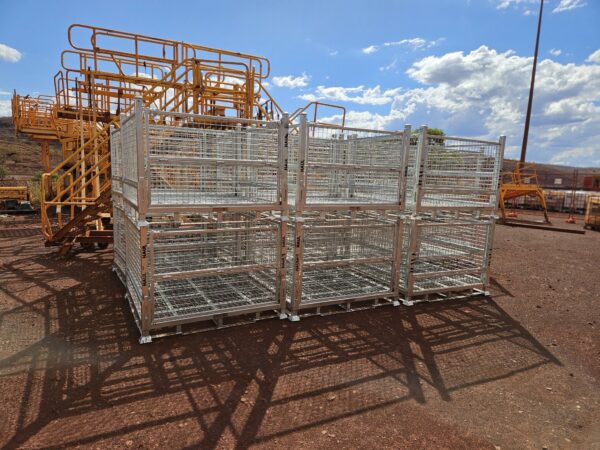
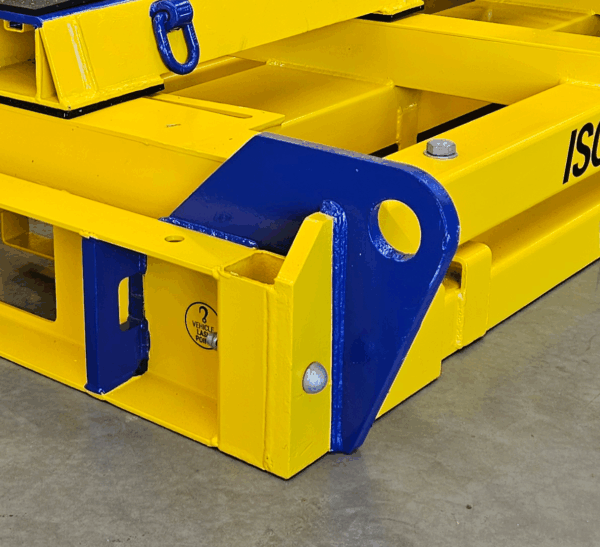
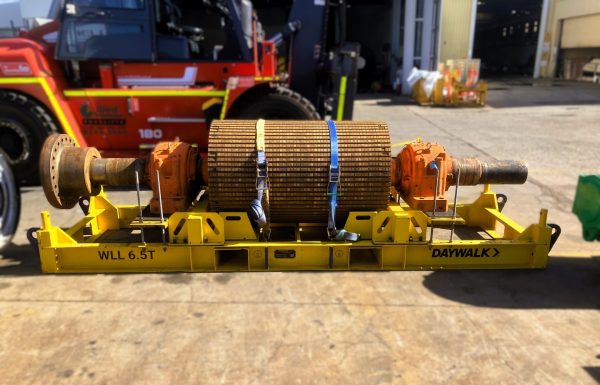
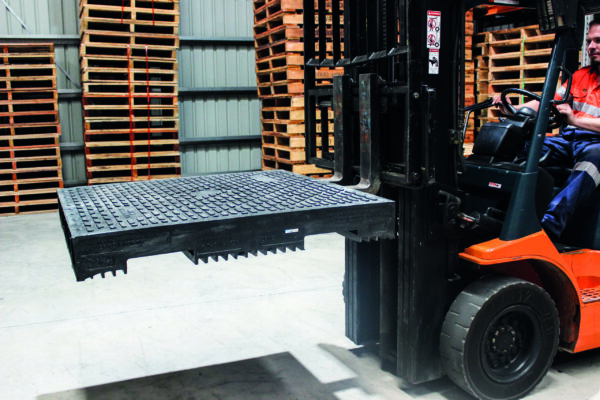
Safety in heavy industry goes beyond having the right procedures in place. The equipment used to transport and store components also needs to be fit for purpose. For example, a certified transport frame is designed and rated for a specific working load and application, giving maintenance and logistics teams a defined, engineered solution rather than relying on improvised restraints or modified frames. The same applies to steel pallets used for heavy components, spares and equipment in mining, defence and other heavy-industry environments. A properly rated pallet can provide a more durable, repeatable solution for moving and storing components than timber pallets or ad-hoc supports.
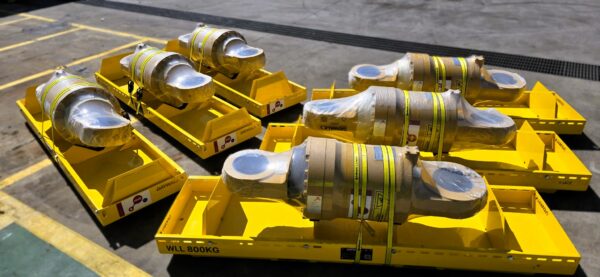
Compliance also needs to work in practice, not just on paper. When we talk about a compliant transport frame, we mean a frame that has been engineered, tested and appropriately certified for its intended load and use. Chain of Responsibility (CoR) means everyone involved in the transport task has a role in ensuring the load is safely packed, restrained and transported — not just the person driving the truck. For a mining operation moving a multi-tonne gearbox, final drive or hydraulic cylinder between a workshop, warehouse and site, that means considering the component, frame, restraint method, lifting and handling requirements as one system.
Safety for Heavy Industry
A vast range of industries rely on the safe transport of metal components, equipment and other essential items. If transport and storage equipment, processes and execution does not prioritise safety, then incidents and accidents can occur that cause a range of serious issues. Mining, oil & gas, energy, Defence, manufacturing, repairers, warehouses and OEMs can suffer from a range of issues when component transport isn’t safe, including:
- Handling accidents
- Component damage
- Delays from inefficient and unsafe logistics
- Broken equipment or damaged vehicles
- Downtime caused by the knock-on effect of transport delays
Next Steps for Safe Component Logistics
These are practical areas where safety, compliance and downtime risks can overlap. Talk to DAYWALK’s Technical Consultants about your component and handling requirements to identify a suitable certified frame or steel pallet solution. These solutions include: certified steel pallets in a range of sizes up to 12T, transport containers offering storage and transport in one, and component-specific frames for cylinders, final drives, wide round components and more.
So, to explore this topic from the other angle, what does it cost to not care, and to stay inactive in the area of safety. The truth is, it can cost you time, money, lives, and the entire reputation of your organisation. By not identifying and addressing safety issues, you are putting yourself, and your organisation at risk of being liable for a major incident. Small issues can lead to injury, and even death, and that is not a situation you want to be in.
If an incident occurs, you will have to spend countless hours investigating the root cause and what could have been done better. If an incident occurs, you may have to pay significant fines. If an incident occurs, you may lose a life and a family may lose a father. If an incident occurs, the reputation of your business could be irreparably damaged.
So, the long and short of it is that the cost of not caring about safety far outweighs the cost of caring. The answer is simple, you need to do all you can to ensure safety within your organisation, whether that be training staff on using a machine correctly, or transporting your components on a compliant frame.
Transport Frames to Ensure Safety on the Road
If you’re reviewing component transport and storage at your site, start by identifying where teams are relying on custom-built frames, damaged timber pallets, unsuitable storage systems or repeated manual handling. These are practical areas where safety, compliance and downtime risks can overlap. Talk to DAYWALK’s Technical Consultants about your component and handling requirements to identify a suitable certified frame or steel pallet solution.