Steel pallets are built for demanding storage, handling and transport environments, but how they are stored between uses can have a big impact on their working life. Proper storage helps protect the pallet from moisture, corrosion, impact and unnecessary wear, while regular inspections can identify issues before they affect performance. In this guide, we look at practical tips for storing and maintaining steel pallets so they remain safe, reliable and ready for use.
Lifecycle of Metal Storage Pallets
Steel products have come a long way. And since its first production, steel has become a vital element in creating numerous products in a broad range of industries. The benefits of using steel products are numerous, and most of the manufacturing trade highly depends on it. Many industries rely on the strength of metal storage pallets including mining, oil & gas, Defence, energy, construction, manufacturing and warehousing. The lifecycle of metal storage pallets can be extended with ensuring the pallets are suitable for the item being stored or transported, that loading and restraints are not damaging the pallet, and the pallet has a general inspection and maintenance program to make sure it’s protected and performing as it should. While steel metal pallets are made to be moved, in the harshest of conditions, you can extend the lifecycle of your pallets with some simple maintenance tips.
DAYWALK is dedicated to providing superior gear for safe storage of equipment in your warehouse, like metal stillages, pallet cages, steel pallet and more. The general lifecycle of our heavy duty steel pallets depends on how the equipment is used, but it can extend up to years (or decades) of regular use in the field. This lifecycle is even longer if the steel pallet primarily kept in an indoor location, such as a workshop or warehouse.
The Adverse Effects of Corrosion
Corrosion, or also commonly known as rust, is the number one weakness of all metal and steel products. It is contagious on other metallic surfaces and without proper care, could lead to property loss, damage, and even accidents.
Just like other metal equipment, steel containers and pallets are designed to make storage last longer and achieve full protection on packages during stowing and shipping. There are many types of steel, and the classifications depend on the features of the composition. Most have components such as carbon, phosphorus, and sulphur. While elements like Nickel, Boron, Copper, Selenium, Titanium, Tungsten, Cobalt, Chromium, Tantalum, and Columbium are added to improve the quality of steel materials and to help prevent the rapid spread of contamination of corrosion.
DAYWALK steel pallets are built for heavy industry, so they are developed with durable coatings, such as power coated steel. Other solutions in our range, such as our steel cages, are hot-dip galvanised which offers the highest protection against corrosion.
Corrosion could occur, however, through impact damage to the equipment, where the coating is forcibly removed or part of the pallet is split. The risk of damage can be prevented through purchasing durable metal products (like DAYWALK certified pallets) and through appropriate storage and maintenance of your gear.
How to Properly Care for Steel Pallets
Proper care and regular maintenance can help extend the working life of your steel pallets and keep them performing safely in demanding environments. From choosing the right pallet for your environment and operations to checking for damage, corrosion and wear, a few simple steps can help protect your investment and keep pallets ready when you need them.
Restrain items with suitable accessories
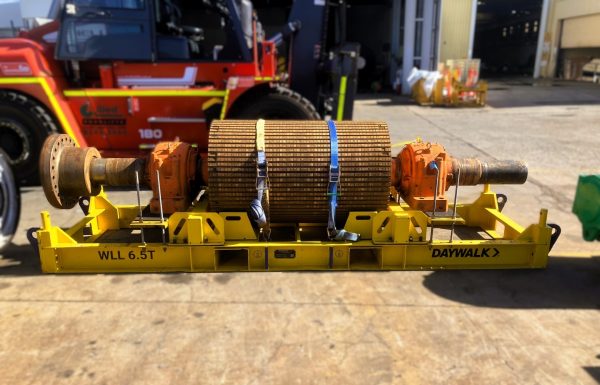
Steel coatings and pallet structures can be damaged if the restraints are wearing down the powder coating, or too much for the steel mesh or boards. We recommend using rubber matting to stop metal on metal damage, as well non-metal restraints, such as PET strapping systems and polywoven strapping.
Select the right coating
Choosing the right coating for steel products can be difficult for the reason that some materials could not adapt well to the ingredients of a specific coat. For example, stainless steel is a kind of metal which is made more robust to resist water stagnancy to prevent corrosion.
Not all coatings are fit for specific metal materials. And in the long run, it could be the start of deterioration. Fortunately, DAYWALK specialises in steel pallet production that is more resistant to moisture than other brands. They even allow customised pallets through colour coding and brand imprinting to ensure quality service that meets the need of every customer. Compare the range of DAYWALK steel pallets for further information on applications and features.
Light maintenance of pallets
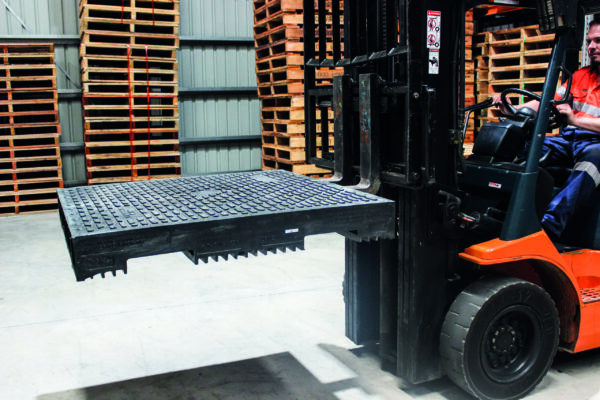
Some basic light maintenance will also help extend the life of your pallets. This includes wiping them down every so often, so grease and grime doesn’t build up. If you’re storing your pallets outside, opt for a well-drained area, so the pallets aren’t immersed long-term in the wet. Train your team to properly use, load, restraint and stack pallets to avoid any unnecessary impact damage.
Stack pallets evenly
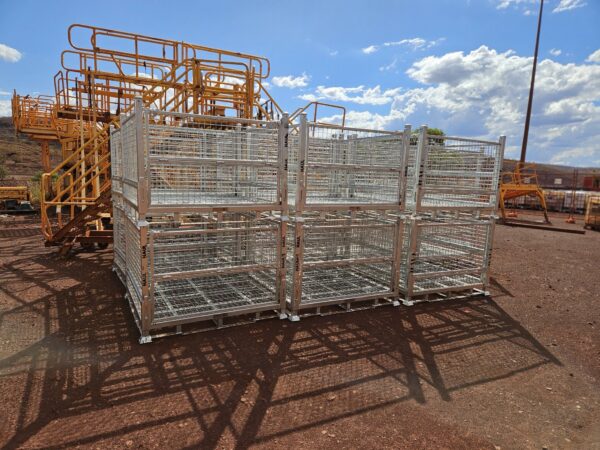
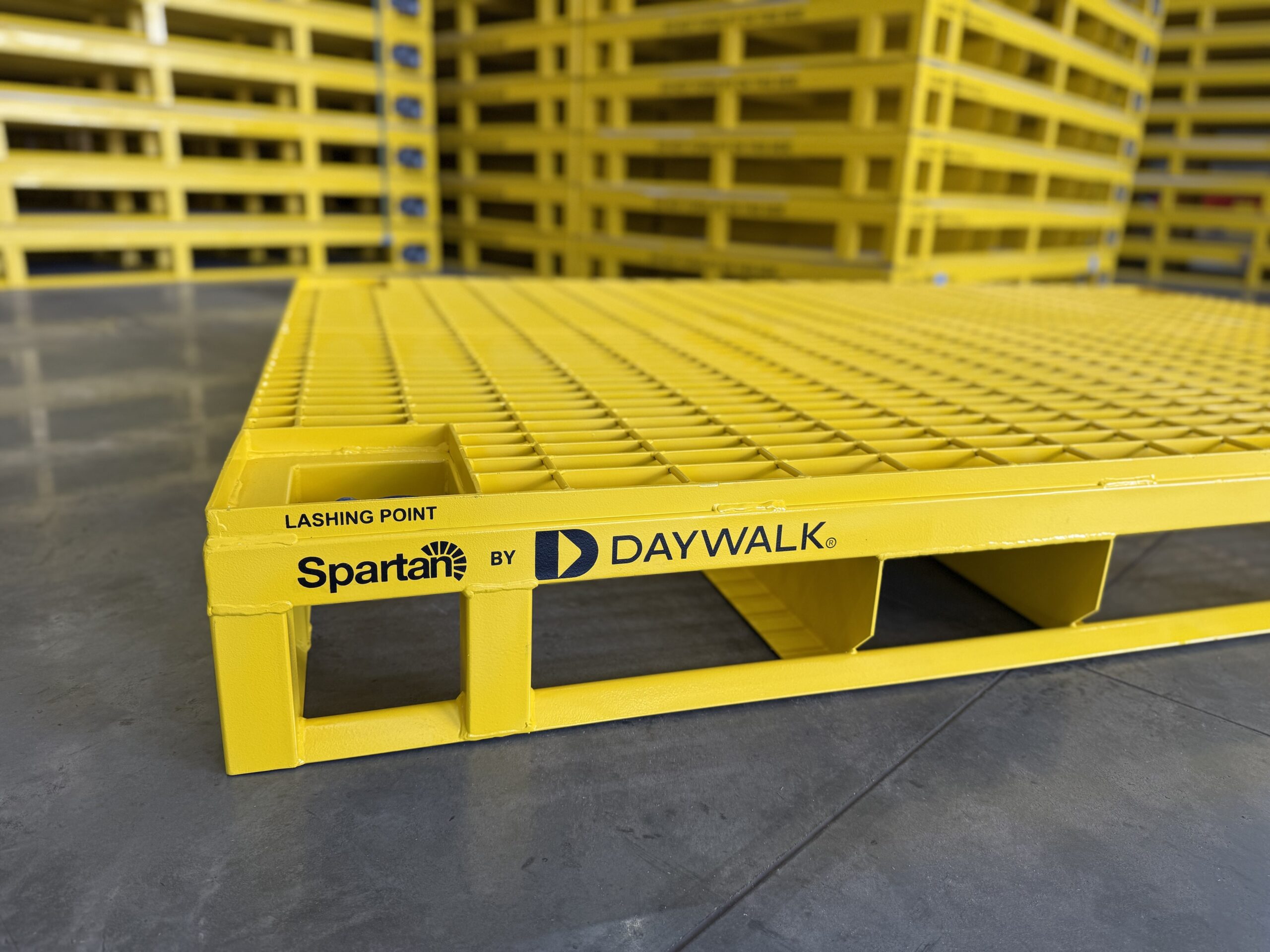
Like many DAYWALK solutions, we understand how important floor space is for heavy industry. That’s why our pallets and cages are stackable when the pallet isn’t in use. Just make sure that your pallets are carefully stacked, so the weight of the pallets is balanced and evenly distributed. This can prevent any toppling in storage, as well as creating a flat, even surface for multiple pallets to be stacked.
Inspect pallets
When you’re storing and transporting heavy components and other items on steel pallets, inspections are important for safety and efficiency. If a pallet has suffered damage, it will not only require a repair or replacement, but it can affect your operational efficiency and the safety of the items you’re carrying, as well as the well-being of your team. It is also crucial for warehouses to schedule proper maintenance and equipment check-ups to allow rust control.
Consider impact of humidity in storage
If your vicinity is humid, ventilation and insulation are necessary. During the hot season, an enclosed space could create condensation. Therefore, moisture can occur as a natural reaction to alleviate the heat. Those tiny droplets of water will then provide oxidation on any metal surface. And as a result, rust will develop quickly.
Because of its composition, steel materials are less susceptible to corrosion when stored in cold places. However, if it is exposed to extremely low temperatures for extended periods, it will become brittle and, later on, will become susceptible to cracking.
Utilise rust protection for your components
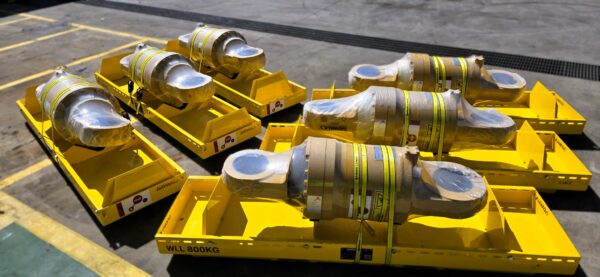
Another way to ensure equipment remains in top condition is to make sure you’re preserving and protecting your metal components before they’re placed on your pallet. DAYWALK offers a full range of preservation including UV and eVCI protection, that is ideal for harsh Australian conditions and high humidity levels. Unlike other preservation methods, it won’t trap moisture within the wrapping, so your components remain safe when in storage.
Countless clients have come to us for preservation solutions, after finding their high-value components rusted after using inferior rust protection methods. The cost of rust protection is also an ongoing expense, so you want to ensure that it’s being done correctly. Read more about real-world asset preservation here, with rust protection for engine lifting pins.
Storing Pallets
Do you need to replace your pallets due to corrosion or damage? Switch to certified steel pallet solutions today to extend the lifecycle, safety and efficiency of component logistics. Talk to our team by calling us on 1300 662 987 or get in touch via our contact form.