Moving a heavy equipment motor across Australia requires careful planning, fit for purpose equipment, and a reliable freight partner. The process of industrial motor freight is straightforward once you understand the requirements for transport frame selection, loading and strapping.
Getting Started with Motor Transport
What you’ll need before moving a motor is the right equipment for the size and weight of your component.
When considering transportation options, look at:
- Motor make and model
- Approximate weight in kilograms
- Dimensions (length, width, height and height when on pallet)
- Configuration of motor
- Consideration to whether the motor requires vibration dampening for transit
When to Require Industrial Motor Transport
Heavy industry requires motor transport as a means of keeping operations running with heavy equipment including excavators, cranes, loaders and large haul trucks.
Spares, repairs and new equipment must be transported regularly for many industries, including mining, defence and construction.
Original equipment manufacturers (OEMs) and repair workshops rely on the daily transport of motors and other parts — such as gearboxes, pumps and cylinders — to keep workflow running smoothly. Hydraulic motors, electrical motors and other components vital for heavy equipment must be transported legally and safely, as well as in the most efficient manner.
Transport For Damaged or Unwanted Industrial Motors
Motors beyond repair still get transported — for parts harvesting, core exchange, or scrap. Even non-running units must be secured properly for transit. The mechanical condition doesn’t change the freight requirements and the need for suitable motor transportation.
Small traces of residual may remain after the motor is drained, however, it’s important that they are prepared for transport. Dispose of drained fluids at licensed recycling or waste facilities in line with local council and environmental regulations.
How to Transport Heavy Equipment Motors by Road
With the weight and shape of a motor, certified transport systems should be used to ensure safe logistics.
There are specialist heavy machinery or automotive transport companies that specialise in the transport of motors. However, if you’re equipped with an inhouse fleet, it’s important ensure that the motor is:
- Prepared for transport, drained of all fluids
- On a transport frame that’s fit for purpose
- Transportation meets the Heavy Vehicle National Law (HVNL) for vehicles over 4.5 tonnes gross vehicle mass
- The motor must meet loading requirements
- Strapping must be suitable for restraint of the motor, particularly in emergency braking conditions
Transport Frames for Motors
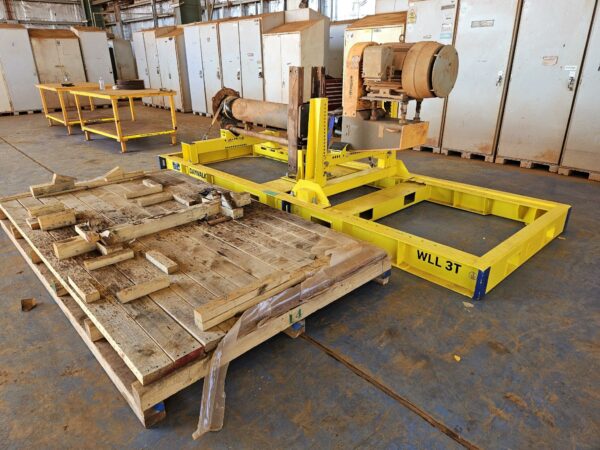
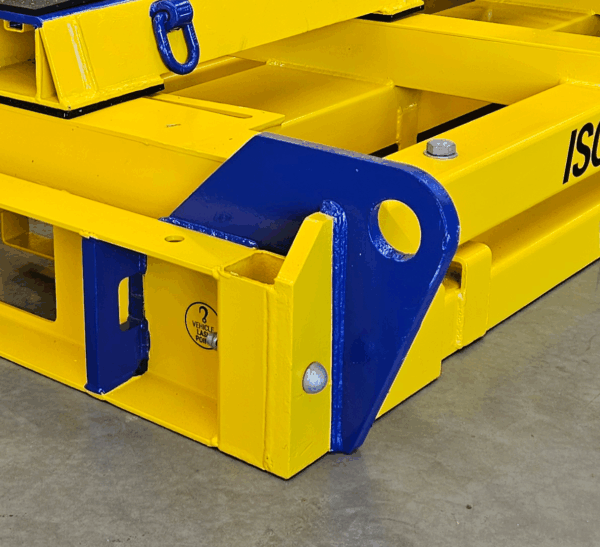
DAYWALK offers a range of transport frames, including adjustable solutions, that are ideal for transporting motors.
This system includes:
- Certified transport frames – a large range of in-stock transport frame pre-engineered by our inhouse team to meet road safety standards.
- Adjustable chocks and stands – to cradle the motor safely, while allowing the flexibility of being able to be used for motors and components of varying sizes.
- Hold down bolts – a patented solution that offers an easy two step push and twist placement, certified for compliance with transport forces.
- Anti-slip mats – the anti-slip mats assist with restraining movement of the motor when in transport. Available in range of full roll options.
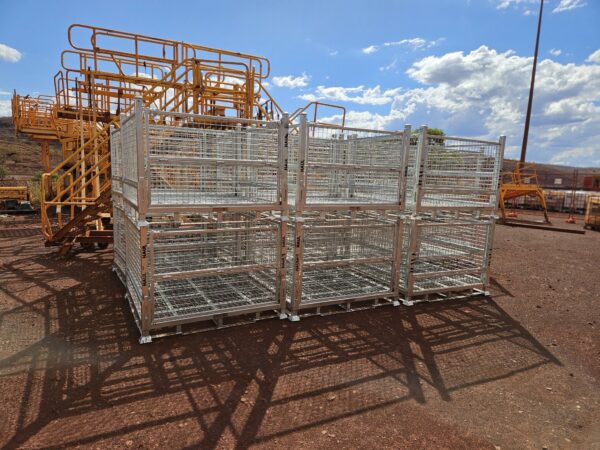
- Spreader plates – for use with our rated steel pallets, the spreader plate is built with hot dip galvanised steel and load restraint rubber. It allows for the spreading of a load on pallets, and prevents crushing from point load penetration, in an emergency braking situation.
Vibration Dampening for Industrial Motors in Transit
DAYWALK specialises in frame systems with vibration dampening, to protect high-value motors in transit. Vibration damping transport frames offer pre-engineered, transport-rated solutions, suitable for high-value motors. Vibration damping reduces the impact of kinetic energy by absorbing and dispersing it through. This helps minimise structural resonance, reduce noise, and prevent premature wear. By lowering pedestal vibration and controlling the forces transferred to the ground, it stabilises rotating equipment and supports longer machine life. We also offer the Transporta Frame, with vibration damping and full canopy for the storage and transport of large motors.
Restraining the Load
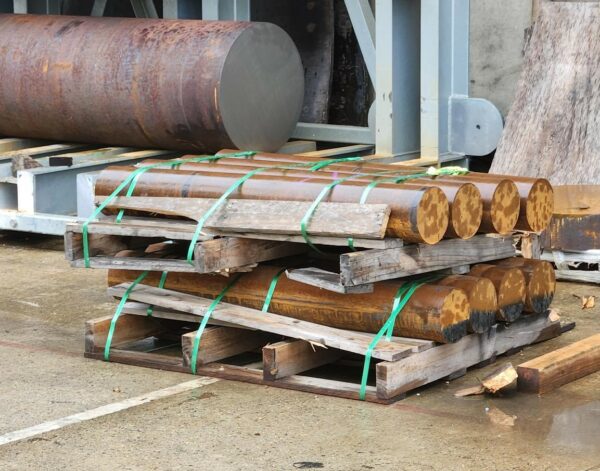
Heavy duty strapping should bind the motor tightly to the pallet through dedicated lifting points. DAYWALK offers premium strapping that is suitable for motor transport, however strapping should always consider the specific logistics of the situation – including the motor weight and height.
DAYWALK provides guidance on this through our QR coded user guides, which are found on our transport frames.
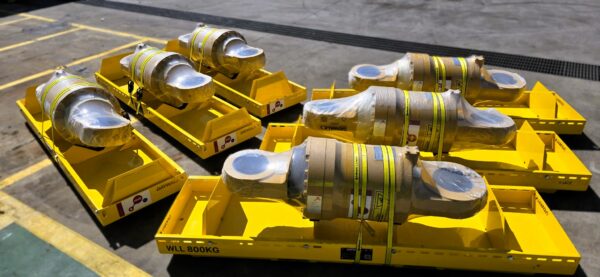
Optional protection for longer interstate runs includes wrapping the motor in wrap for preservation and rust protection. This additional investment provides peace of mind for high-value motors, particularly those on long journeys or ones that will be kept outdoors upon arrival.
REMEMBER: The Load Restraint Guide by the National Heavy Vehicle Regular offer best practice for load restraint systems and loading performance standards. See the full guide online for details.
Manual Handling, Lifting Gear & Safety
Manual lifting of motors is unsafe and non-compliant with workplace safety regulations.
Best-practice loading involves:
- Using a motor crane or workshop hoist
- Lifting from factory lift points with rated chains or slings
- Slowly lowering the motor onto a prepared pallet
- Using hydraulic lifts where available for easier handling
Most freight depots and workshops use forklifts or pallet jacks once the motor is on a pallet. Ensure the pallet allows fork access on at least two sides for smooth handling throughout transit.
Personal protective equipment matters: safety boots, gloves, eye protection, and no loose clothing near chains, slings, or rotating hoist components.
Critical safety warnings for motor transportation:
- Always ensure your motor transport frame is fit for purpose
- Adhere to the loading and restraint guides for safety and compliance
- Avoid manual handling, use lifting equipment instead
- Never work under suspended loads
- Ensure all drivers and equipment operators have appropriate training
- Affix all labelling and documentation required for the motor transport
Road Transportation of Motors
It’s important that motors are transported safely – for the sake of everyone in your organisation, as well as those on the road. But efficiency is necessary in busy operations, such as mining, OEMs, and repair workshops. With the right equipment, resources, training and adherence to the HVNL laws, you can move your motors quickly and confidently.
If you need to keep your operations moving, get in touch with DAYWALK. We do transport frames, with a range of off-the-shelf options that will allow you to transport your motor efficiently and compliantly.