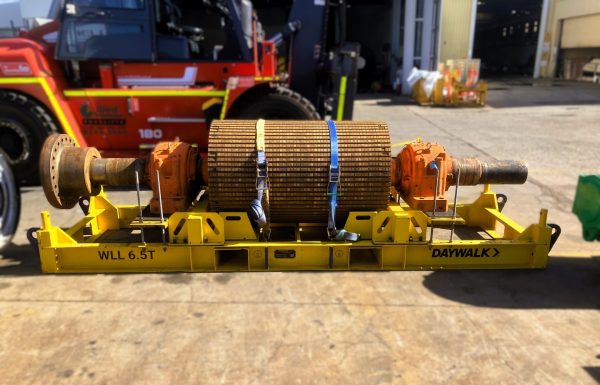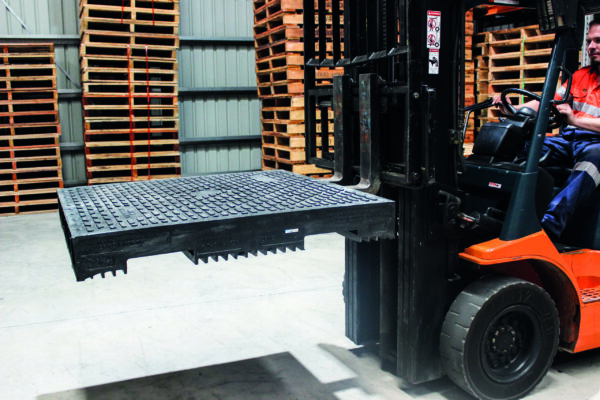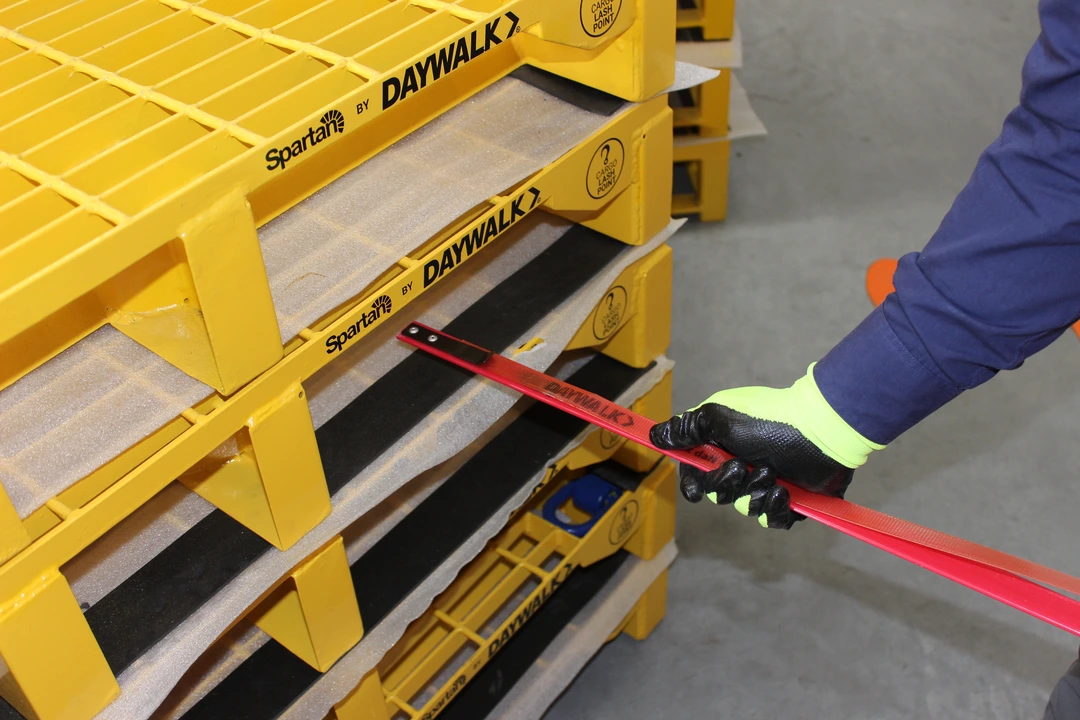
Pallet strapping is a critical step in securing loads for storage and transport. It is widely used across industries such as mining, logistics and manufacturing. Using the correct pallet strapping systems helps prevent movement, reduce damage and keep operations compliant. Whether you are handling machinery or sensitive equipment, this pallet strapping guide explains how to strap a pallet effectively using the right tools and methods.
Key Takeaways
- Key Takeaways How you strap a pallet correctly reduces movement, damage and compliance risks.
- Load type and pallet material directly impacts the strapping method and tension.
- PET and polywoven systems are common solutions for industrial and general applications.
- Using the right tools improves consistency and safety.
- Proper strapping supports Chain of Responsibility and transport compliance.
Considerations Before Strapping a Pallet
Strapping a pallet plays a critical role in keeping loads secure, compliant and ready for transport. Before you begin, assess the key factors that affect how the load will perform during transport.
Pallet material
Start with the pallet itself. Timber and steel pallets respond differently under load and tension, which directly affects how you strap and secure the load. Learn more about choosing the right pallet material.
Load type
Load type directly influences the strap material, method and tension required. Heavy loads require higher tension and stronger materials to prevent movement. Delicate items need controlled tension to avoid damage. Irregular or oddly shaped loads often require multiple straps or stabilisation points to keep them secure.
Storage and transport conditions
Exposure to weather, vibration and long-haul transport can impact load stability. Strapping must account for these factors to prevent loosening or shifting over time.
How to Strap a Pallet Using Tools
For most industrial applications, PET systems are a reliable option. DAYWALK’s PET strapping solutions are engineered to maintain tension and load stability throughout transit.
Ensure the load is evenly distributed on the pallet. Stability starts before strapping begins.
Use a strapping lance to guide the strap safely through the pallet base reducing manual handling risks
Bring the strap over the load and align it to secure key pressure points.
Apply tension using professional strapping tools. Correct tension is critical. Too loose and the load shifts. Too tight, and components can be damaged.
Lock the strap using buckles or friction-weld tools depending on the system.
Multiple straps may be needed depending on load size and weight.
For a visual walkthrough, refer to DAYWALK’s PET strapping system guides.
How to Strap Round or Oddly-Shaped Items
For heavy or irregular loads, use a polywoven strapping system. It provides the flexibility and control needed to secure difficult shapes without damaging the load.
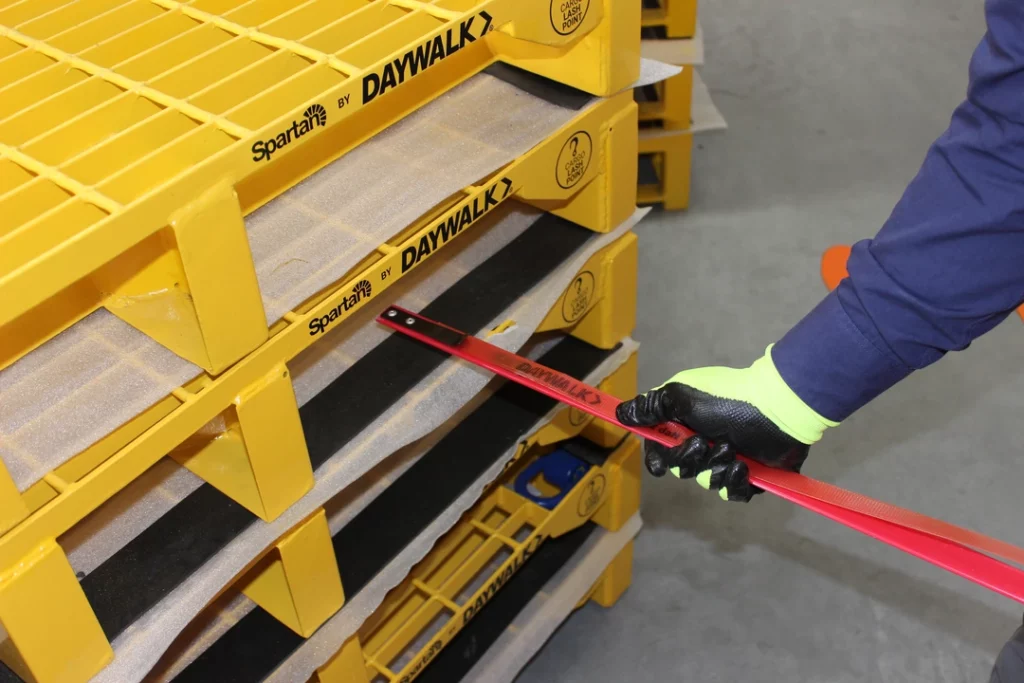
Place the load securely on the pallet. Feed the strap around the item. For palletised loads, run the strap underneath the pallet and back over the top. Use a strapping lance to guide the strap safely and reduce manual handling.
Form two loops in the strap. Position a heavy-duty buckle with the prongs facing up and to the right. Feed the first loop through the centre of the buckle and over the prongs, then repeat with the second loop.
Pull the strap tight by hand to remove slack. This reduces the effort required when using the tensioning tool and ensures a more controlled result.
Insert the strapping tool and feed the strap through the cutter and windlass. Tension the strap until the buckle prongs compress flat and the load is firmly restrained. The load should not shift under pressure.
Press the lever to cut the strap. The final tension should be firm and stable, holding the load securely in place throughout transport.
For a full walkthrough, refer to DAYWALK’s polywoven system guides.
Start Pallet Strapping with Confidence Now
When operations depend on reliability, strapping plays a critical role in keeping loads secure and compliant during transport. DAYWALK delivers engineered solutions that help your business stay ahead of disruption and keep moving.
For the best solution for your operation, explore our certified transport frames and complete industrial storage solutions. Alternatively, feel free to contact us to speak with our team and find the right solution.
FAQs
How much security does strapping a pallet provide?
When done correctly, strapping prevents movement and keeps loads stable throughout transport. For additional protection, loads can also be wrapped using pallet preservation products.
When do I need to start strapping a pallet?
Start strapping whenever there is a risk of movement, damage or non-compliance during handling or transport.
This typically includes:
- Heavy or oversized loads that generate more force in transit
- Long-distance transport, during which vibration and braking can shift loads
- Multiple handling points such as lifting, transferring or repositioning
- Irregular or unstable loads that cannot support themselves
Transport regulations also require loads to be properly restrained. For detailed requirements, refer to the Load Restraint Guide 2025.
What’s the difference between pallet strapping and pallet banding?
Understanding how to band a pallet is essentially the same as pallet strapping, as both methods secure loads using tensioned material. However, banding is typically associated with lighter-duty applications, while strapping systems are engineered for higher loads and industrial use.
Are there regulations for how to strap a pallet?
Yes. Load restraints must meet national safety standards to ensure freight remains secure during transport. These regulations outline how loads should be restrained to prevent movement under braking, acceleration and cornering forces.
These requirements are detailed in the Load Restraint Guide 2025, which provides practical guidance on selecting and applying the correct restraint methods.