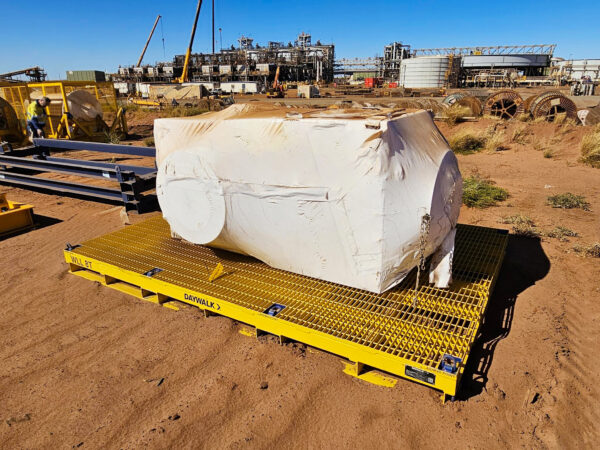
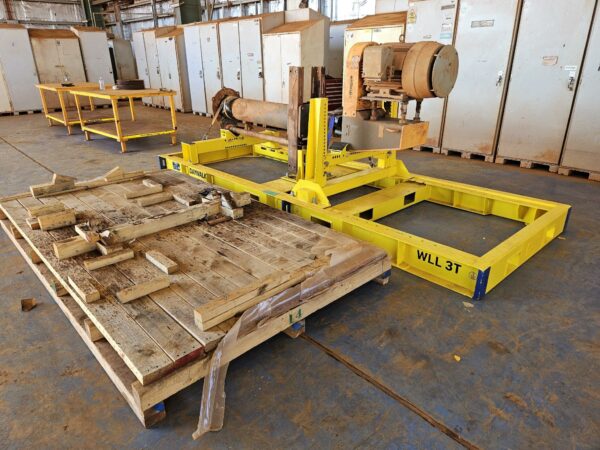
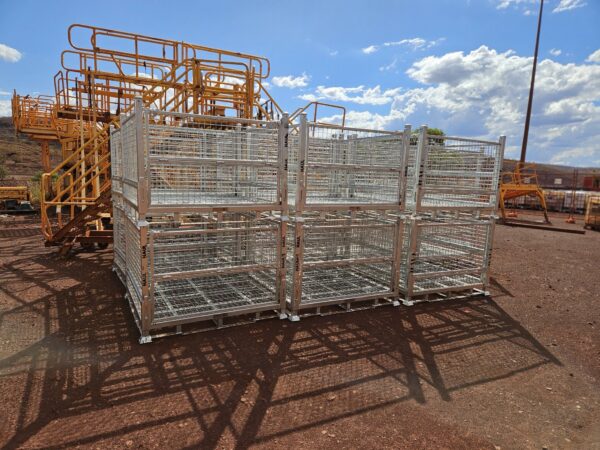
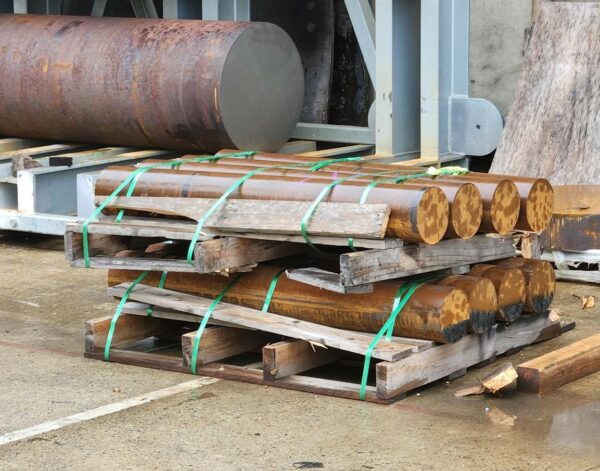
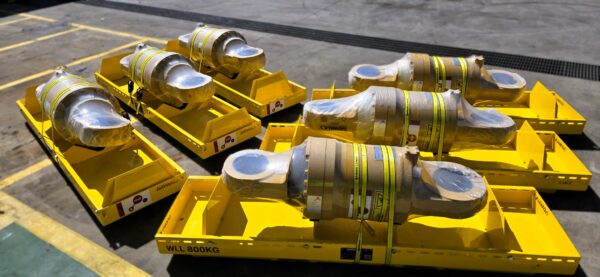
The question often comes up as to the cost of compliance versus non-compliance. So, why should you invest in a compliant system rather than just going for a non-compliant and probably cheaper option. The answer is to save lives and to have the assurance that you have done everything in your power to prevent a fatal accident from occurring, while ensuring efficiency, productivity and ease of operations.
So, the cost of compliance is a small price to pay if you’re comparing it with the price of a life, because life is precious. You cannot put a value on the price of a life, or multiple lives lost, as a result of something coming off the back of a truck in an emergency breaking event.
What Does Compliance Actually Mean?
For transport, Chain of Responsibility (CoR) under the Heavy Vehicle National Law requires every party in the chain to take reasonably practicable steps to eliminate or minimise transport risks. That includes businesses involved in loading, packing, consigning and receiving heavy loads, not just the driver. For heavy industrial steelwork, compliance starts with how the frame is designed and verified. AS 3990 – Mechanical equipment – Steelwork applies to the design, fabrication, erection, repair and alteration of steelwork associated with applications including DAYWALK’s steel pallets and transport frames.
What Can Non-compliance Potentially Cost?
There’s no price that you can put on a human life, when you’re considering the safety of component transport on the roads for heavy industry. However, there are real financial costs, on top of accidents, incidents and component or equipment damage, that can cripple business.
The financial risk can quickly outweigh the initial saving on a cheaper frame. Under the HVNL, serious breaches of the CoR Primary Duty can attract maximum penalties of more than $4.1 million for a corporation, while an individual can face more than $424,000 and/or up to five years’ imprisonment for a Category 1 offence. These are maximum penalties, not typical penalties, but they demonstrate the scale of exposure when transport safety obligations are not met.
You might say, well, I’ll just get something knocked up at a local fab shop and is DAYWALK saying that that can’t be done, or is the law saying that that can’t be done? The law does not say it is mandatory that you have a certified frame, but as one eminent gentleman in the industry said, ‘How do you prove when you are in court that that frame was indeed compliant? What is there to prove, is there the paperwork or a certification to prove that the frame that we transported a multi-tonne component on was indeed compliant?’
There might be a few more dollars saved in a non-engineered, non-certified, non-transport rated frame, compared to a frame where there’s been full design engineering, finite element analysis and third-party verification on the whole design, but the risk is not worth taking.
DAYWALK for Compliant Certified Transport Frames
So, all in all the price or investment of proactive compliance is a very worthwhile investment compared to something where you can’t be sure, because you can’t be assured of safety and compliance when something has just been knocked up and not properly certified. If you want to ensure you’re transporting heavy components with compliance, talk to our team at DAYWALK today.