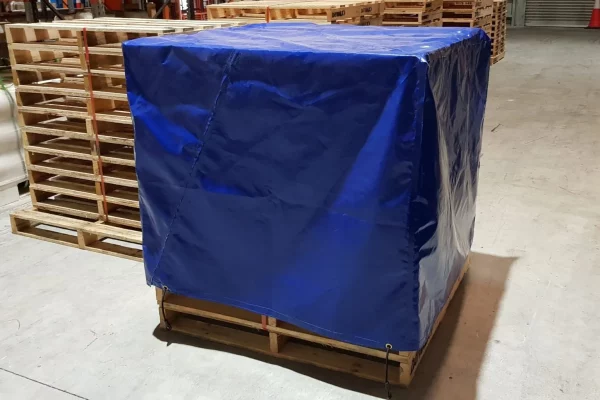
When you’re storing or transporting high-value components or spares, it’s important that your frame is fit for purpose. And one of the questions we hear at DAYWALK, is what’s the difference between timber and steel pallets?
In today’s blog, we’re going to explore the key differences between timber and steel pallets including their construction, strength and durability.
Working With Timber Pallets
So, let’s first break down timber pallets (no pun intended).
Timber pallets are often lighter and cheaper than their steel counterparts, meaning they don’t always have to be handled by a forklift, and work well for smaller and lighter products. However, heavier or high-value items are not supported by timber frames, particularly when in transit.
If you’re storing items on hardwood pallets in a warehouse environment, the timber pallet may be a suitable option. Timber is a natural insulator, moderating temperature fluctuations and providing insulation advantages, which can be beneficial in certain storage environments.
However, timber pallets are susceptible to breakages, moisture and pests, leaving them weakened and in need of replacement. Timber is a natural product, which means prices and availability can be affected by environmental laws, weather patterns, and mill production. As an example, timber pallet prices fluctuate, with supply.
Timber Pallet Damage
They key issue with timber pallets is that they break down. Put a heavy load on a timber frame – especially one left out in the weather – and they will quickly fail and degrade. This not only can cause harm to those handling the pallets and items, but the components themselves can be damaged. This leads to downtime and delays, and repair costs.
When timber pallets are snapping or degrading during work tasks, you also have to consider the cost of regular pallet replacement. Therefore, while they appear to be a cost-effective solution, it’s a short-term one. Replacements of timber frames can add up, especially when your operations require large amounts of frames for storage or transport.
Transport Risk of Timber Pallets
For heavier and more complex components, timber pallets are not an acceptable choice in terms of safety because their strength simply cannot be guaranteed. Timber boards often come loose when put under strain, and while hardwood is certainly stronger than pine, it cannot hold up to the forces covered in National Transport Law.
While they are a traditional means of transporting lower value items, they are not transport certified or built to withstand heavier weights.
For heavier and more complex components, timber pallets are not an acceptable choice in terms of safety because their strength simply cannot be guaranteed. In emergency braking situations, where there is considerable force, timber pallets can shatter and create dangerous situations for transport companies and those on the road.
Timber boards often come loose when put under strain, and while hardwood is certainly stronger than pine, it cannot hold up to the forces covered in Australian National Transport Law, such as Heavy Vehicle National Law (HVNL). The Load Restraint Guide offers guidance for restraining loads on pallets.
Hardwood or timber pallets are not certified transport pallets, therefore are not deemed compliant if an incident was to occur.
Understanding the Benefits of Steel Pallets
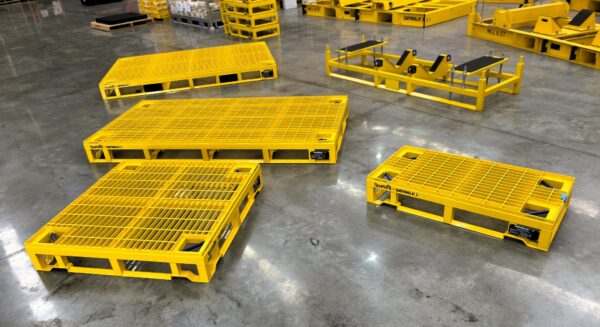
In comparison, steel pallets are designed for strength, safety and longevity. Steel pallets provide a solid and sturdy frame, ensuring less movement, preventing cracked cornices and surface splitting problems, and offering a secure structure for heavy loads.
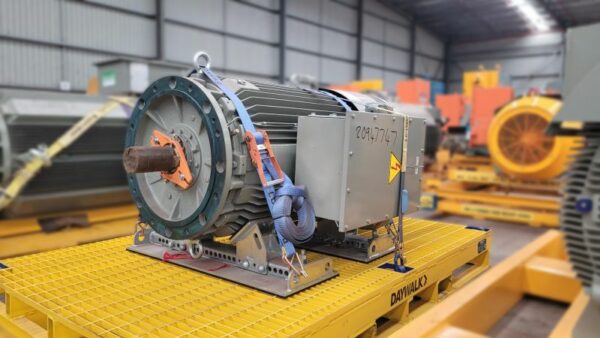
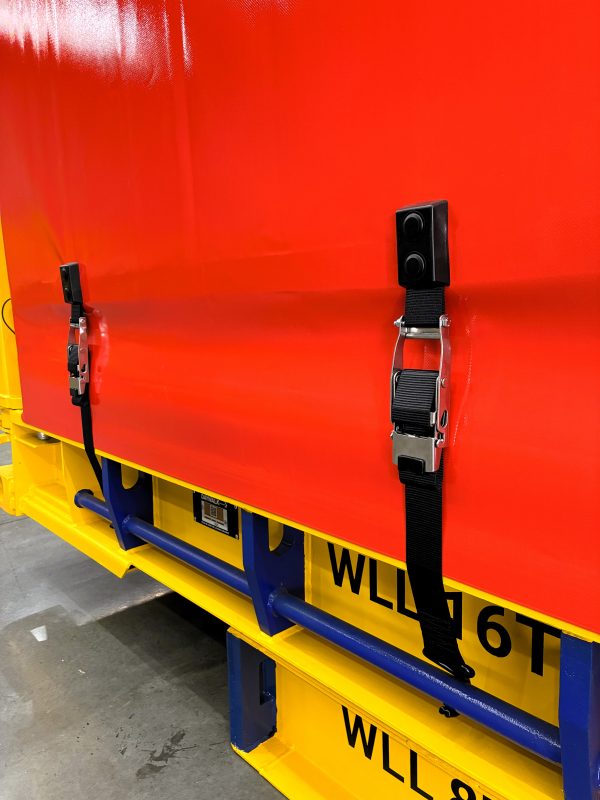
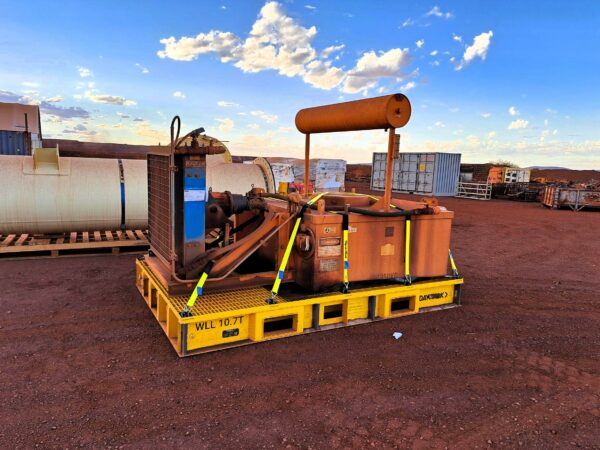
DAYWALK steel pallets are HVNL Schedule 7 Compliant, so these transport rated pallets offer safety and certification.
They can withstand harsher conditions, and can be engineered and certified for transport, making them ideal for heavy-duty applications. Steel pallets are non-porous and easy to sanitise, making them suitable for industries requiring strict cleanliness.
Unlike timber, steel pallets are resistant to moisture, pests, and fire, providing a more durable option. If the steel pallets are galvanised, they are also resistant to rust, which further increases their longevity, particularly if used in outdoor environments. Steel prices don’t fluctuate like timber, meaning that you have a longer lasting transport solution with a steadier price point.
The Real Cost of Timber vs Steel Pallets
While it’s understandable to think that timber pallets may be a cheaper alternative, when it comes to transportation of high-value components, the longevity of the pallet has to be considered – as well as its ability to ensure safe and accident-free travel for spares.
Consider some of the issues that could occur if your timber pallet broke, or the strapping wasn’t secure and the spare slipped during emergency braking:
- Damage and downtime of the component
- Repair work costs for the damaged component
- Downtime for equipment relying on the part
- Damage to vehicle
- Potential for injury during manual handling or transport
- Replacement pallet costs
Comparing Steel Pallets with Timber Pallets
In comparison, steel pallets are designed for strength, safety and longevity. They can withstand harsher conditions, and can be engineered and certified for transport, making them ideal for heavy-duty applications.
Unlike timber, steel pallets provide a more durable option. They are strong and fit for purpose, so they won’t break. This controls the risk of damaging components or putting people in harm’s way. Additionally, steel pallets are available in a range of models, to suit your load and your operational requirements. While timber pallets are often more cost-effective initially, steel pallets can offer better value in the long run due to their safety and durability. The choice between timber and steel pallets depends on your specific requirements.
Timber is a cheaper (short-term), natural, lighter option, while steel ensures safety, durability, longevity, compliance and strength. However, when it comes to the road transport of high-value components, we believe there is no other option than steel pallets and frames for efficiency, safety and long-term cost savings.
If you’re not sure which steel pallet is right for your operations, get in touch with the DAYWALK team. We do transport frames and pallets, so we’re well equipped to help you with all your pallet storage and component transport needs.