Almost every consumer product or industrial material has spent time sitting on a pallet. Imagine how long it would take, even with a forklift, to load or unload freight if the pallet wasn’t invented. Wooden or timber pallets remain the most common type used globally, making up more than 90%. However, slowly, the steel pallet is making its way into many industries and companies. This is because steel pallets are proving to be a much safer onsite option than timber pallets.
Are timber options really that unsafe?
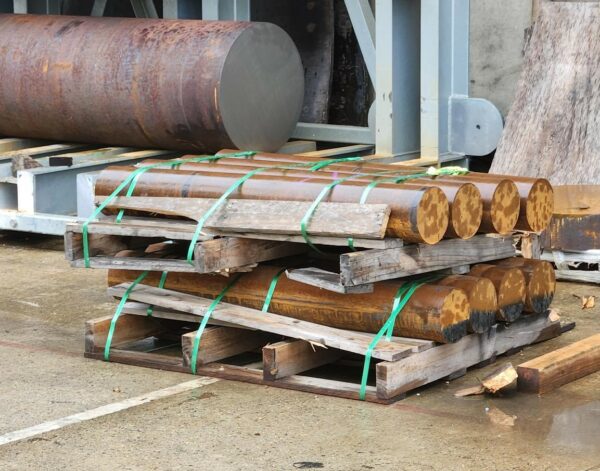
Generally, wood is still the pallet option that companies turn to because of its low up-front cost and is inexpensive no matter where it is sold. However, everything stops there when it comes to sanitation and safety. Timber pallets will eventually break and splinter as wood will rot with age, or the pallet has been continuously carrying heavy loads at or close to 2 tonnes. At more than this, wood will break easily. Damaged pallets will have protruding nails that can cause injuries. So will wood splinters that are sharp enough.
Another safety concern with wooden pallets is that they can contaminate easily. Spilled chemicals are easily absorbed by wood. Timber can easily harbour bugs, fungus, spores, and other contaminants. This makes wood hard to decontaminate because contaminants will soak deep into wood. This makes timber pallets dangerous to be used for food, beverages, pharmaceuticals, and other consumer products in which contaminants can be easily transferred.
Is timber a risk onsite?
While loading or unloading freight, when a timber pallet breaks, the cargo loaded on the pallet may spill over, damaging the goods that can become crushed, damaged, and dented. Spilled freight may also fall and fatally injure workers below. Splintered wooden pallets may also cause injury to workers. All this will not only be the cause of damage and injury, but will also add to the cost of the supply chain, insurance claims, as well as causing delivery delays.
Inside ports and warehouses, wooden pallets, especially damaged ones, can be a fire hazard. Since wood quickly catches fire, flames can easily jump from one pallet to another. Replacing timber with steel offers a range of benefits, including the reduction of potential fuel for a fire.
Why does steel have the safety edge?
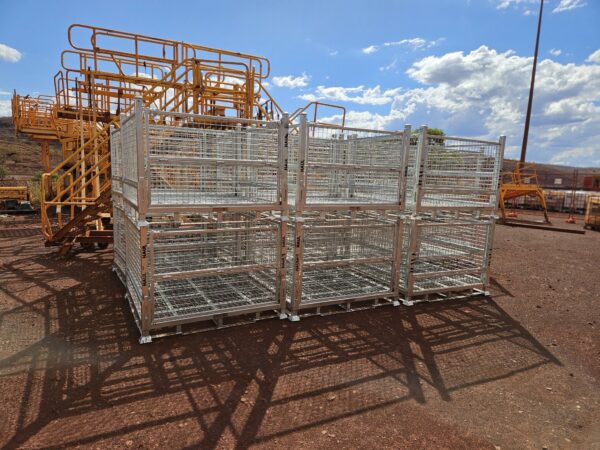
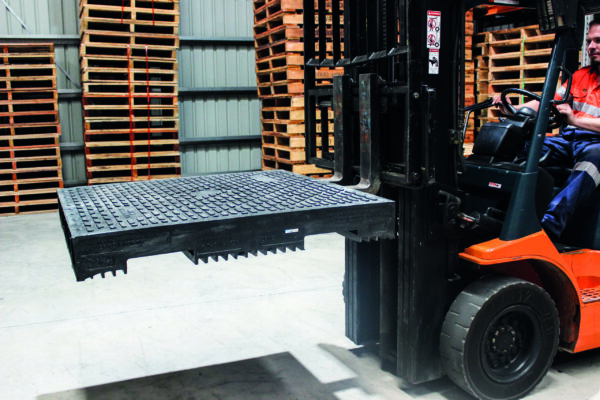
Steel pallets are much stronger than timber pallets. Surprisingly, some Spartan and medium steel pallets weigh less than large timber pallets. This means that steel pallets can take on considerably more weight from freight, offering protection for assets. The durability of steel also ensures that the pallet will not break or splinter.
Safety in durability
Timber pallets are subject to breaks, splintering, decay, and rotting. In terms of longevity, steel pallets are extremely strong and will last many years longer than the thickest timber pallet. Thus, steel gives a greater value for money because of its longer lifespan.
Safety in hygiene
Steel pallets cannot be contaminated because no insect, fungus, spore, or contaminant can absorb into the metal. Steel can be easily sanitised and cleaned more effectively, quickly removing all infestations, bacteria, and germs on the steel surface. Steel pallets also negate the risk and hazards of fire.
Steel vs timber for safety and longevity
The advantages of steel over timber when it comes to long-lasting solutions is a no brainer. While it may take more energy to produce metal products, such as steel pallets, steel lasts ten times longer than timber and wood-based products. Damaged metal can be recycled and made into the same product before or into other products.
On the other hand, while wood needs less energy to produce, more wood entails cutting down more trees and will cause environmental damage. Wood pallets also have a shorter lifespan than metal and is more prone to damage. Wood is easily recycled but into other products, not into its original form.
What are leading-edge companies doing?
Naturally, seeing the longer-lasting solutions of metal pallets, leading-edge companies are gradually replacing their wooden pallet stocks. These companies have seen the significant advantages of steel pallets based on safety, repair and maintenance, cleanliness, and other factors.
Steel pallets offer a range of benefits, including:
- Adaptable to any kind of climatic conditions
- Completely fireproof and is not fire fuel
- Easily cleaned and laid out for organised storage
- Almost maintenance-free and will last many years if rust-protected
- Non-breakable, doesn’t contaminate, and easily decontaminated
Timber pallets are known for breakages and risks, including:
- Wood gets stiff or brittle under extreme climatic conditions
- Wood is a fire hazard and provides fuel to fire
- Harbour bugs, fungus, and other contaminants can easily contaminate; very hard to clean and decontaminate
- Easily damaged and breakable after only a few months; not 100% effective anymore after repairs
- Wood causes splinters and protruding nails when damaged
As a longer-lasting solution protecting environmental obligations, metal and steel pallets produce little or no wastage at all. Whether in transit or storage, the durability of steel pallets ensure that goods and products are not crushed, damaged, or dented as a result of timber pallets. Again, there is less wastage.
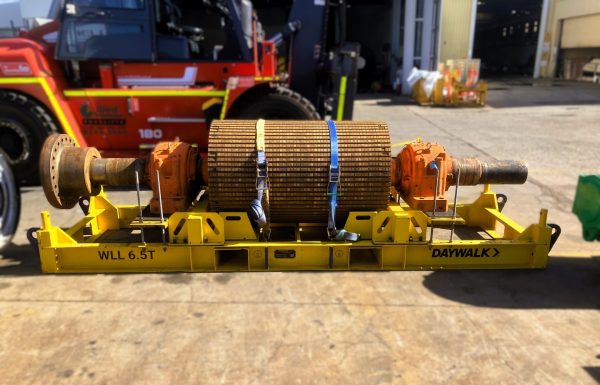
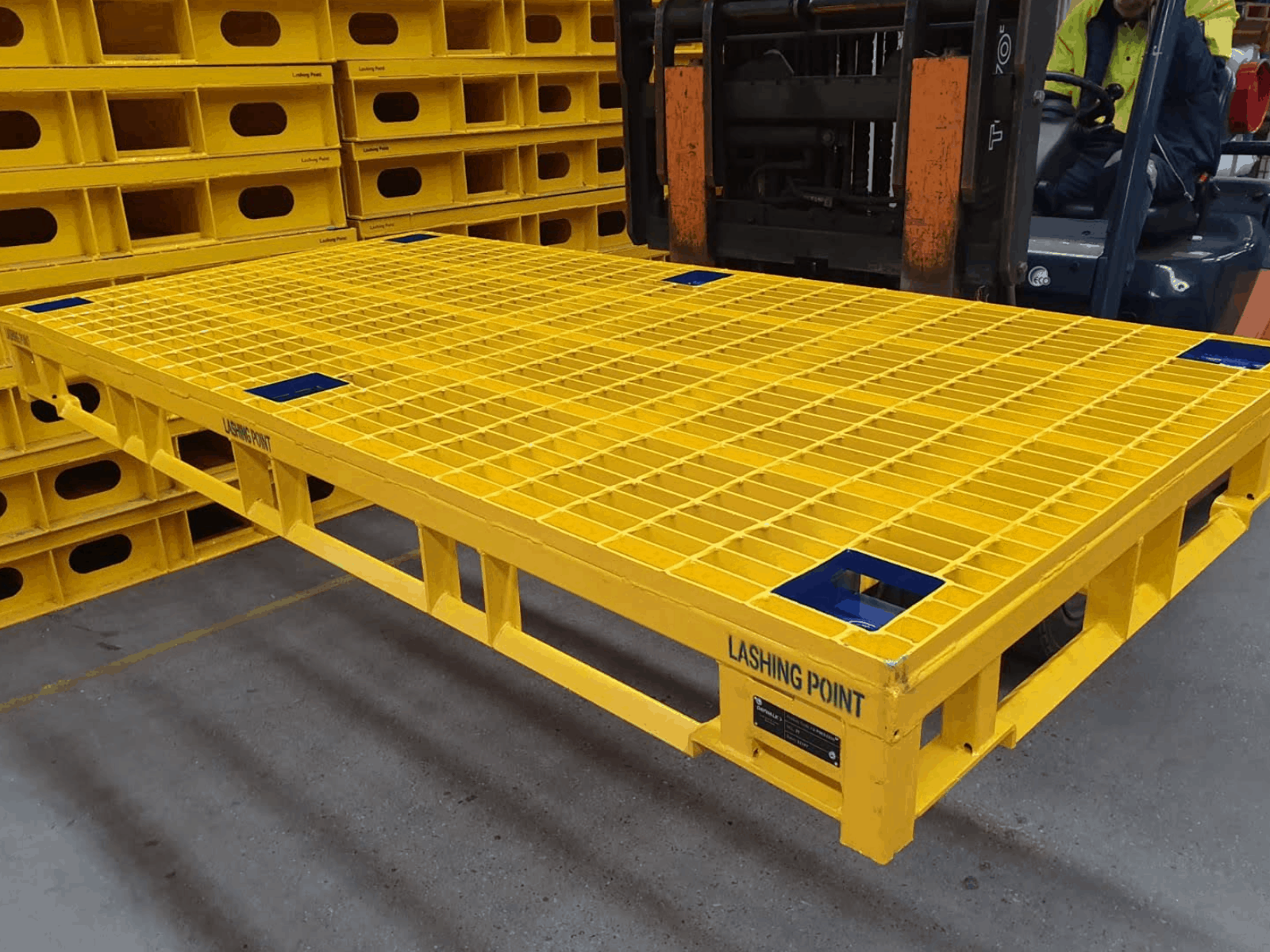
DAYWALK steel pallets are a safer option than timber
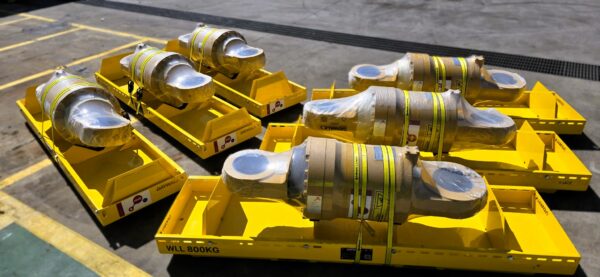
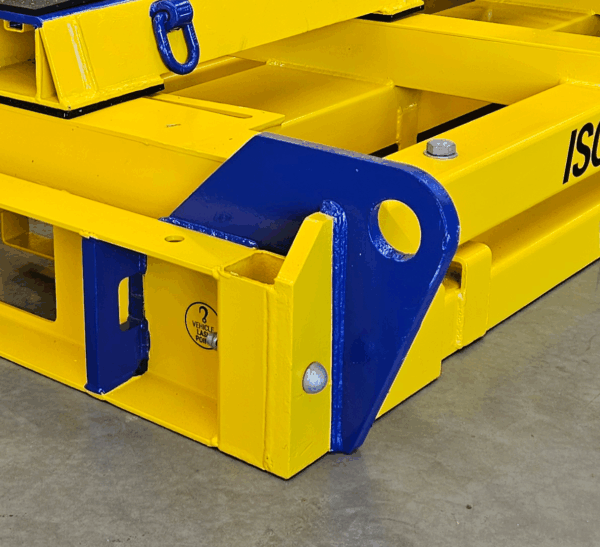
DAYWALK features an array of steel pallets from 1 tonne to the 12-tonne range, which you can compare here. Steel pallet accessories are also available for the further customised and safe transporting of products, goods, and heavy equipment. For your supply chain needs or new projects, call us today on 1300 662 987, so we can talk about your challenges with timber pallets and component transport.