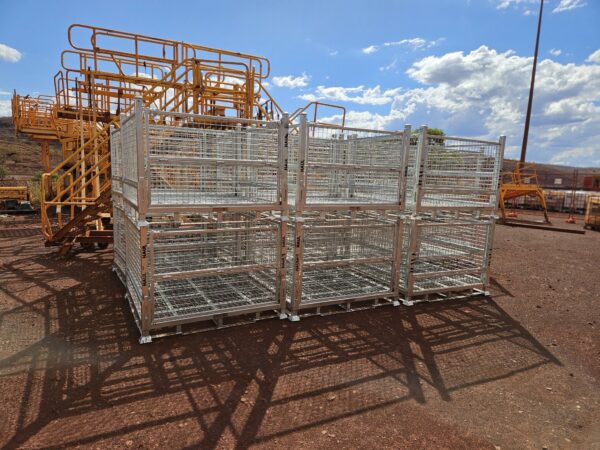
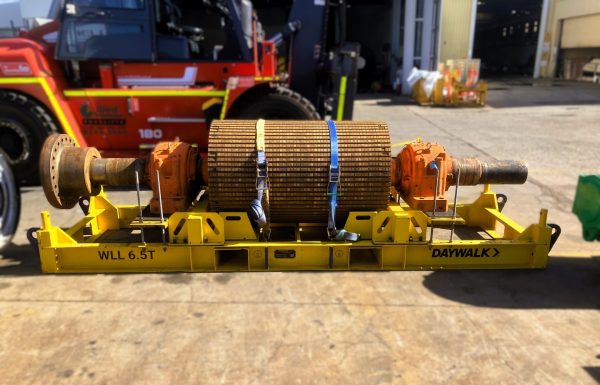
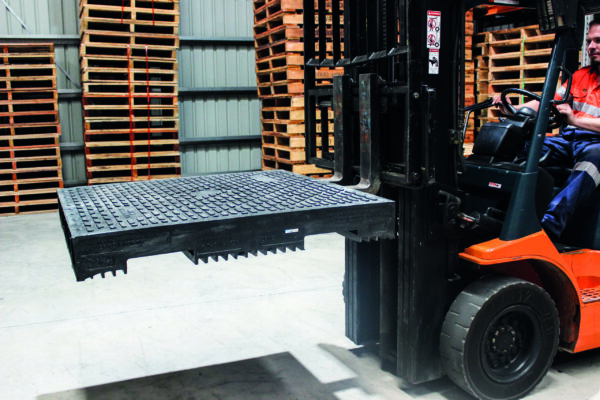
A steel stillage, also known as a steel cage, is a heavy-duty steel frame used to store, separate and transport goods safely in warehouses and during transport. It’s typically constructed with steel mesh walls, allowing stored items to remain visible while maintaining load restraint.
The sections below outline how stillages are used in industrial environments, including the key types of stillages and the operational factors that influence selection in Australian conditions.
What is a Stillage?
The meaning of stillage is closely tied to safety and load control. A stillage introduces structure into handling operations by defining how goods are contained, accessed and moved. This makes it well-suited to heavy or irregular items that require controlled handling without relying on temporary restraints.
In practice, what a stillage is used for is improving safety, protecting goods and supporting consistent handling across warehousing, transport and industrial environments.
Types of Stillages
There are several types of stillages, each designed to suit different load requirements and operating conditions. Choosing the right style depends on what is being stored, how often it is handled and the level of protection required.
- Mesh stillages
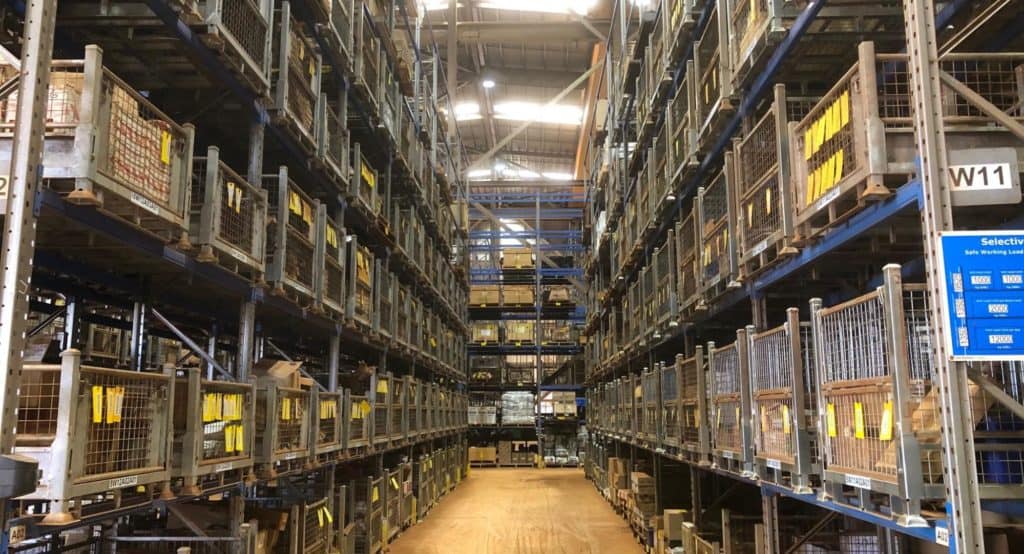
Mesh stillages use steel mesh walls to provide visibility and airflow around stored goods. They are ideal when load identification is important or when contents need to be inspected without opening the stillage. DAYWALK’s range of mesh storage cages supports safe stacking and forklift handling in busy warehouse environments.
- Sheeted stillage cages
Sheeted designs offer solid steel panels for greater containment and protection. These are commonly used for smaller components, loose items or goods that require additional security. Sheeted stillage cages also help prevent debris loss during transport.
- Timber-based cages
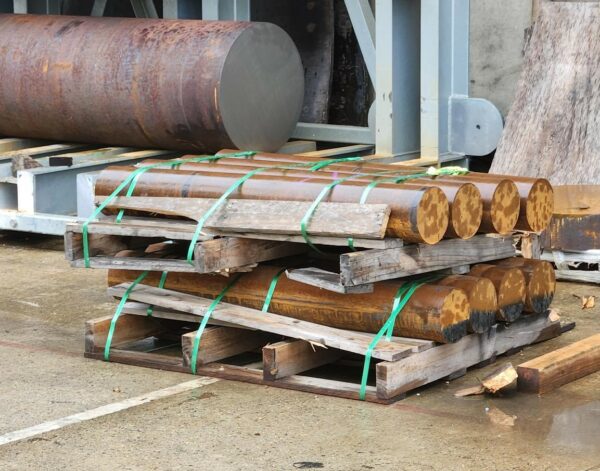
Timber-based options combine steel frames with timber infill, offering a practical balance of strength and surface protection. Timber-based cages are often selected where load contact needs to be softer while maintaining structural integrity.
Built for Australian conditions
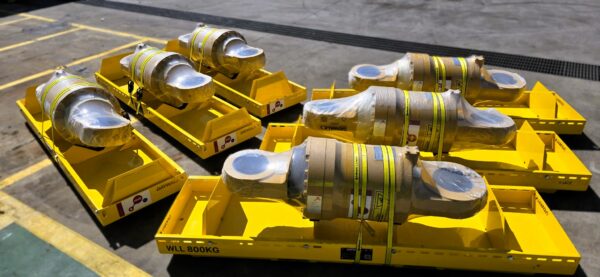
Australian land transport conditions are among the harshest in the world due to extreme and unpredictable weather. DAYWALK steel stillages are designed to support safe handling in these conditions, whether carrying bulk goods or single heavy equipment and spare parts. Each solution is quality-engineered to manage forces such as braking and inertia, with consideration given to height-related safety and load stability in demanding industrial environments.
Why Choose DAYWALK
Rather than applying a one-size-fits-all approach, DAYWALK works closely with clients to assess handling methods, load characteristics and safety risks before specifying a steel stillage solution. This upfront understanding shapes how each stillage is designed, ensuring it supports controlled handling and reliable performance in real operating conditions.
DAYWALK steel stillages are engineered to integrate with forklifts, racking and existing logistics systems, helping reduce handling inconsistencies across warehousing and transport operations. Load ratings, configurations and access points are selected based on how goods are stored, moved and accessed, not just on capacity alone.
Before delivery, steel stillage solutions undergo review and testing to confirm they meet engineering and safety expectations. This process reflects DAYWALK’s broader commitment to fit-for-purpose design and People Safety®, where protecting people is considered alongside protecting goods.
To learn more about why DAYWALK is suitable for you or to discuss steel stillage requirements, contact us and speak with the team.