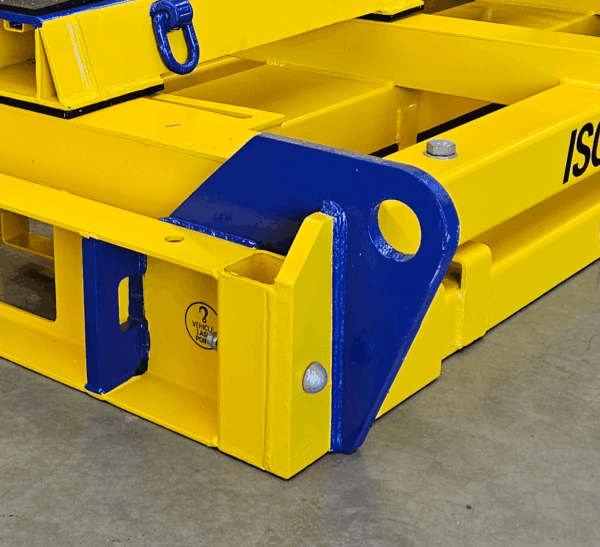
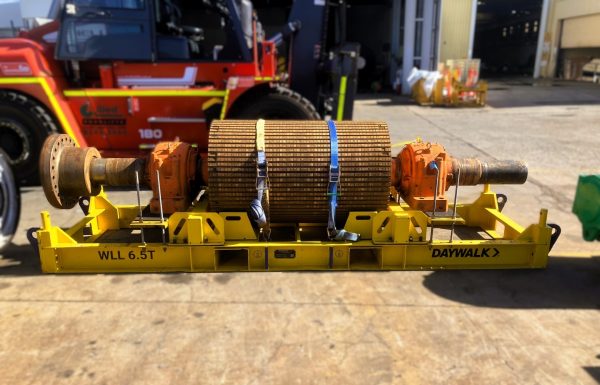
Before transporting or storing heavy industrial components, steel pallets should be inspected to confirm they remain suitable for the task. Regular steel pallet inspection helps identify structural damage, corrosion, wear and other issues before they affect handling or disrupt operations. A consistent inspection process also gives maintenance and warehouse teams a clear way to assess pallet condition, record findings and determine whether equipment can safely return to service.
DAYWALK steel pallets are built to last in harsh conditions with repeated use over many years with heavy components. However, it’s still important to regularly inspect all your equipment, including steel transport pallets, to ensure they are performing as they did when they first arrived onsite.
By checking key structural, load bearing, restraint and handling features, teams can address problems early and maintain a more reliable system for moving and storing critical components.
Key Takeaways
- Steel pallet inspections assist with the safety, performance and efficiency of your pallet inventory.
- Follow some simple steps to implement your own pallet inspection process.
- Consider the environmental and operational requirements of your pallets to tailor your inspection schedule.
- Use your inspections to determine if a steel pallet should be repaired or replaced.
- Pallet inspections help support reliable component transport.
Why Steel Pallet Inspections Matter in Industrial Environments
In industrial environments, steel pallets are often used to move and store heavy, high-value components where reliability is critical. Regular inspections of the pallets will help maintain suitable equipment condition and identify issues before they contribute to unexpected failures or transport disruption.
Checking pallets for structural damage, corrosion, deformation and wear helps ensure they remain appropriate for their intended loads and handling requirements. This supports operational reliability by reducing the likelihood of equipment being taken out of service unexpectedly and helps protect components from instability or inadequate support during handling and transport.
For maintenance and warehouse teams, consistent inspections also provide greater visibility, making it easier to identify damaged equipment and address issues before reuse. Ultimately, pallet inspection and maintenance is part of ensuring a reliable component logistics system.
Steel Pallet Inspection Checklist: Key Areas to Check
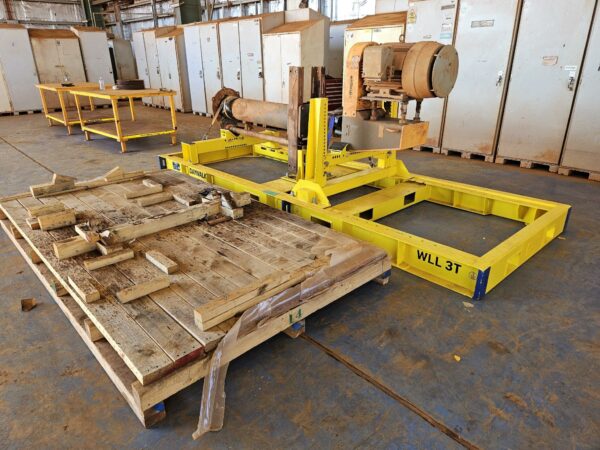
Using DAYWALK’s steel pallet inspection process consistently can help teams identify issues or damage before it impacts operations. The inspection should assess the pallet as a complete load-handling system, not just its visible surfaces. Key areas to check during your DAYWALK steel pallet inspection include structural condition, load-bearing areas, restraint features, corrosion, handling points and overall suitability for continued use.
Check the Structural Condition
Start by examining the pallet frame for bent sections, cracks, damaged welds or structural deformation. Look for signs that the pallet has been subjected to excessive loading, impact or other forces beyond its intended use. Any significant deformation or cracking should be assessed before pallet reuse.
Inspect Load Bearing and Restraint Areas
Check load contact points for damage, distortion or excessive wear, particularly where components repeatedly sit on or interact with the pallet. Inspect restraint features and securing points for damage or deformation, as these areas play an important role in keeping loads properly positioned.
Inspect exposed steel surfaces for rust, corrosion, coating deterioration, dents and other signs of wear. Surface deterioration should be monitored and addressed through appropriate maintenance before it develops into a more significant issue.
Review Handling and Transport Features
Examine forklift access points, lifting features and other handling components for signs of impact or damage. Confirm that these features remain unobstructed and suitable for the equipment and transport system being used.
Confirm steel pallet structural integrity and intended load-handling capability before reuse and record the inspection outcome. Where damage or deterioration is identified, determine appropriate repair or maintenance tasks or whether the pallet should be replaced with a new DAYWALK steel pallet.
Developing an Inspection Schedule
An effective inspection process is therefore not simply about finding damage, it is about making a clear operational decision about whether the equipment can safely return to service. Developing a regular schedule for your inventory can ensure the safety and performance of your steel pallet inventory.
Steel Pallet Maintenance and Inspection Frequency
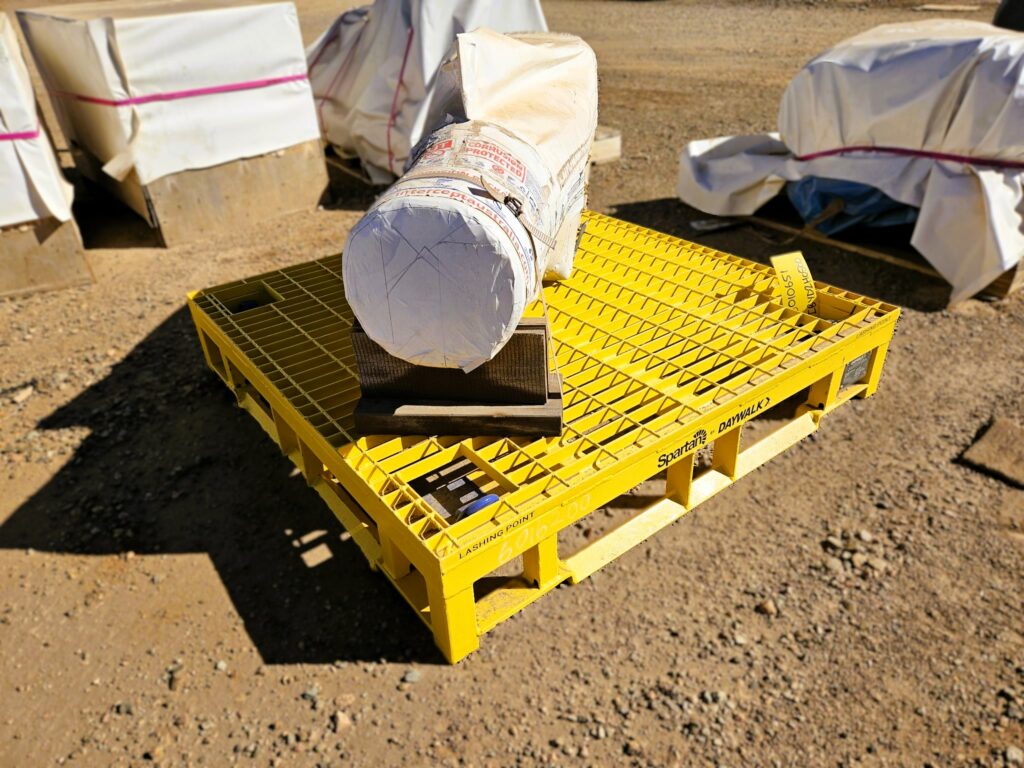
Ongoing steel pallet maintenance helps keep pallets safe, reliable and suitable for repeated handling and transport. Routine inspections should be incorporated into normal operations, with the frequency determined by factors such as usage, operating environment and the loads being handled. We recommend inspecting pallets after use, so you can develop a system of optimum safety and performance for all equipment.
Inspections should look for structural damage, corrosion, deformation, damaged lifting points and other recurring issues that could negatively affect the performance and safety of the steel pallet.
Maintaining clear inspection records can help teams track the condition of individual pallets and identify recurring issues. This information can highlight patterns such as repeated impact damage, corrosion in particular environments or problems associated with specific handling practices. Addressing these trends can help prevent repeat failures and improve handling, transport and storage practices.
Where a pallet is found to be damaged or otherwise unsuitable for its intended use, it should be clearly identified and removed from service until its condition has been assessed. A consistent inspection and pallet maintenance process helps support reliable performance and safer component transport.
When Should a Steel Pallet Be Repaired or Replaced?
Determining whether a steel pallet remains suitable for use starts with a thorough inspection of its condition and performance. Look for structural damage, such as bent sections, cracked welds or deformation that could compromise stability. Check whether the pallet can still safely support its specified load capacity, particularly if it has been impacted.
Safety concerns, such as damaged lifting points, lash points, forklift pockets or restraint features, should also be addressed before the pallet is returned to service. Excessive corrosion, wear or other deterioration may further reduce the pallet’s viability for transport.
Where damage is identified, the pallet should be assessed to determine whether it can be safely repaired or should be removed from service and replaced. When in doubt, talk to the team at DAYWALK who can determine whether the pallet should be repaired or replaced.
How Steel Pallets Support Reliable Component Transport
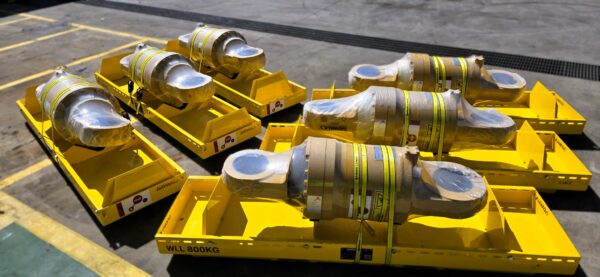
Regular inspections are essential to keeping component transport reliable. After use, steel pallets should be checked for damage, deformation, corrosion or other issues that could affect their performance under load. Properly maintained steel pallets provide a stable, repeatable foundation for handling, storage and transport, helping protect valuable components throughout their journey. These steel pallets provide an important part of a broader transport system, working alongside suitable lifting, restraint and protection methods to reduce safety risks and delays. For demanding industrial applications, certified steel pallets provide an engineered solution designed to support safer, more reliable component movement.
FAQs
What documentation should be kept after a steel pallet inspection?
An inspection checklist with detailed photos, and subsequent actions for any repair or maintenance teams, should be retained after you conduct a steel pallet inspection. Always include the steel pallet inspector’s name, the date of the inspection, the pallet identifier, any previous repairs, the current status of the pallet and full details of the inspection.
Can steel pallet inspections support transport compliance requirements?
Steel pallet inspections support transport compliance requirements by ensuring that equipment is in optimum condition, without damage and fit-for-purpose before it enters the logistics chain. DAYWALK steel pallets are transport rated but should be inspected to ensure they are not damaged or showing signs or wear and tear after repeated use.
How do operating environments affect steel pallet inspection requirements?
Your environment and usage can affect your steel pallet inspection requirements. This may be affected by the application, the volume of use, and any additional risks that pertain to your environment ie. forklifts or heavy vehicles that may accidentally hit a pallet, or pallets kept outdoors in harsh conditions.
When should a business review its pallet inspection process?
You should review your pallet inspection process whenever there are changes to how, where or how frequently pallets are used. This may include introducing heavier or different types of components, changing handling equipment, moving pallets into a harsher operating environment or identifying repeated damage during inspections. Inspection records can help highlight these trends and show whether existing checks are effectively identifying issues. The process should also be reviewed following an unexpected pallet failure, a significant handling incident or changes to relevant workplace procedures and requirements. Regularly reviewing the inspection process helps ensure checks remain appropriate for the equipment, loads and operating conditions. It also provides an opportunity to improve inspection criteria, recordkeeping and return-to-service decisions as operational requirements change.
How do you assess whether a steel pallet is suitable for a new component?
Following the DAYWALK steel pallet inspection checklist will help you determine if your pallet is in good working order and ready for a new component. However, always abide by the capacity ratings and ensure your pallet is loaded safely with consideration to the centre of gravity, suitable strapping systems and any other factors that may affect its transportation. Restraint information is detailed in the Load Restraint Guide 2025, which offers guidance on the correct restraint methods for road transport.