Chain of Responsibility under the Heavy Vehicle National Law makes every party in the transport supply chain legally responsible for road safety, not just the driver. Chain of Responsibility (otherwise abbreviated to CoR) duties apply in ACT, NSW, Queensland, South Australia, Tasmania and Victoria, and interact with local laws in Western Australia and the Northern Territory when vehicles cross borders. This blog offers practical guidance for working safely when planning, loading, scheduling and driving heavy vehicles on public roads.
What Chain of Responsibility Means in Practice
Chain of Responsibility is Australia’s legal framework for sharing heavy vehicle safety duties across everyone who influences a transport task. It’s not just about the person behind the wheel — it’s about creating a system where responsibility flows through the entire supply chain. CoR exists within the heavy vehicle national law (HVNL) and national road rules to prevent crashes caused by speeding, fatigue, overloading and poor vehicle conditions.
The core principle is straightforward: if you have control or influence over any part of a transport operation, you have a legal duty to ensure that operation is safe.
Legal Background: Heavy Vehicle National Law and Road Rules
The Heavy Vehicle National Law and its five sets of regulations form the legal backbone of CoR duties for vehicles over 4.5 tonnes GVM. These regulations cover everything from driver fatigue management to vehicle dimensions and mass limits.
The National Heavy Vehicle Regulator administers the HVNL across participating jurisdictions. The NHVR’s role includes managing fatigue rules, mass and dimension requirements, loading standards, vehicle access arrangements and vehicle standards compliance. This centralised approach helps create consistency for operators working across multiple states. HVNL sits alongside Australian Road Rules and state-based road traffic legislation covering speed limits, signalling, safe following distances and general driving behaviour. Together, this legislation creates a comprehensive framework for heavy vehicle operations on public roads.
CoR responsibility legislation is designed to prevent unsafe commercial pressures —like unrealistic schedules or rate structures — that push drivers to break road law requirements just to get the job done. The framework recognises that safety failures often stem from decisions made far from the driver’s seat.
IMPORTANT: Chain of Responsibility applies to heavy vehicles with a gross vehicle mass over 4.5 tonnes operating on public roads. This includes freight, construction, waste collection, fuel delivery, agriculture and other commercial transport operations.
Primary Duty in the CoR
If you perform any of 10 functions as stipulated by the NHVR, you are a part in the Chain of Responsibility. These include anyone who influences how a heavy vehicle transport task is planned, priced, scheduled, loaded, maintained or driven can be part of the chain of responsibility.
You are a party in the Chain of Responsibility if you are a:
- Employer: you must provide adequate systems, resources and training for safe transport
- Prime contractor: under a contract of services, you engage a self-employed driver of a heavy vehicle
- Operator: must make sure vehicles are safe, drivers are trained, compliance systems exist
- Transport scheduler: ensure routes and timetables don’t burden drivers and teams with unsafe time pressures
- Consignor: the consignor should confirm goods are packaged and documented correctly
- Consignee: must make sure receiving arrangements don’t create safety risks
- Packer: the packer is responsible for making sure goods are packaged appropriately for transport
- Loader/unloader: must prevent overloading and secure freight safely
- Loading manager: this applies if you manage premises where 5 or more heavy vehicles are loaded or unloaded daily
Each of these staff have an important role in ensuring the CoR is carried out to safety and compliance standards. They each have a legal “primary duty” to ensure, so far as is reasonably practicable, that their actions or inaction do not cause a driver or operator to break HVNL or road safety laws.
The primary duty is the obligation to ensure so far as is reasonably practicable the safety of your transport activities.
– NHVR, Chain of Responsibility
What is Reasonably Practicable in the HVNL?
Reasonably practicable is defined in the HVNL and is the standard for complying with the Primary Duty. Modelled on the WHS definition, this definition refers to ‘public risk’ rather than the WHS health and safety of workers and others. Assessing what is “reasonably practicable” is what the duty holder must do. If a matter reaches court, then court also makes that assessment, applying the same principles.
In general terms, “reasonably practicable” relates to a duty, which is, or was at a time, “reasonably able to be done in relation to the duty, weighing up all relevant matters”. This includes likelihood of a safety risk, harm, what the person knows or should know about risk and damage, what the person knows or should know about ways to remove or minimise risk, or prevent or minimise damage.
For full details of the definition, see section 5 of the HVNL.
Executive Duty in the Chain of Responsibility
Senior executives also have a positive duty of due diligence. Directors and other senior execs including executive officers, managers and partners must ensure their company has adequate resources, systems and monitoring in place for CoR compliance. This isn’t a duty that can be delegated away.
Executive duty and due diligence means that executives must:
- Have and maintain knowledge about safe transport activities
- Understand their business activities, including hazards and risks
- Ensure access to and use of resources to eliminate or minimize hazards and risks of transport activities
- Ensure access to and use of processes to eliminate or minimize hazards and risks of transport activities. That information must be received, considered and responded to quickly.
Drivers: Other duties in the CoR
You are not a party in the Chain of Responsibility if you are employed as a heavy vehicle driver, though it’s significant to note that there are many obligations that you must comply with. This includes following road rules, complying with state or territory transport laws and looking after the health and safety of yourself, as well as other employees.
Your employer is obliged to comply with the CoR law by providing you with:
- A roadworthy, well-maintained vehicle
- Education on how to load it safely including within the mass and dimension limits
- Training and equipment to securely restrain loads for transport
- Systems to prohibit driving while fatigued or exceeding speed limits
You will have to carry out your duties in line with this, as well as working out routes that are permissible if you have a vehicle that exceeds general mass and dimension limits.
Like to learn more about loading standards?
How Does Chain of Responsibility Interact with Workplace Health and Safety (WHS) Laws?
CoR duties have been deliberately aligned with WHS concepts since the 2018 amendments. In Australia, businesses must treat transport safety risks similarly to other workplace hazards, using risk assessment and appropriate control measures to mitigate road safety risks. Regulators have the authority to investigate incidents under both HVNL and WHS legislation. Strong WHS systems often support CoR compliance, but they don’t completely replace specific Chain of Responsibility requirements. You need both to be fully compliant.
IMPORTANT: When every link in the chain understands and owns their responsibility, workers, the community and businesses all benefit. The investment in road safety compliance pays dividends in reduced incidents, lower costs and better outcomes for everyone.
Key Road Safety Risk Areas
National road safety research consistently links heavy vehicle crashes to a combination of fatigue, speeding, overloading, poor loading practices and poor maintenance. These aren’t isolated issues. They’re interconnected risk areas that businesses must actively manage.
Here are some of the key CoR risk areas:
- Fatigue: unsafe and non-compliant driving will occur when driver fatigue is not managed properly. Work and rest hours, scheduling and reasonable schedules can prevent driver fatigue.
- Scheduling pressure: operations should not set unrealistic delivery timeframes. Putting speed before safety encourages dangerous driving.
- Vehicle mass and dimension limits: vehicles must not exceed legal weight limits. They must comply with dimensional requirements.
- Vehicle standards and maintenance: vehicles must be in roadworthy condition through regular inspections and servicing by qualified mechanics.
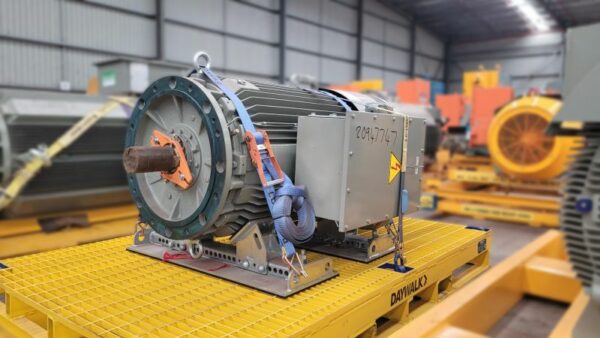
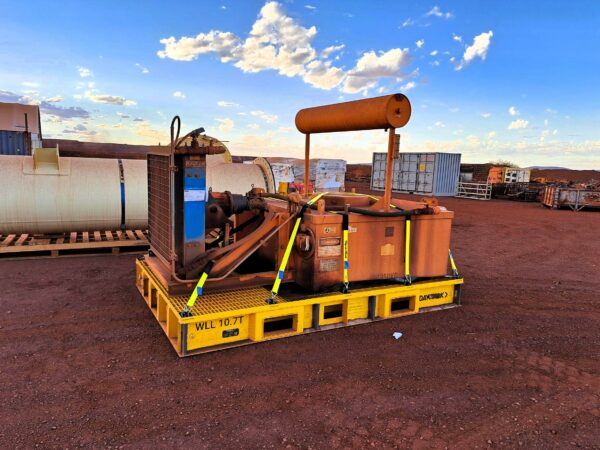
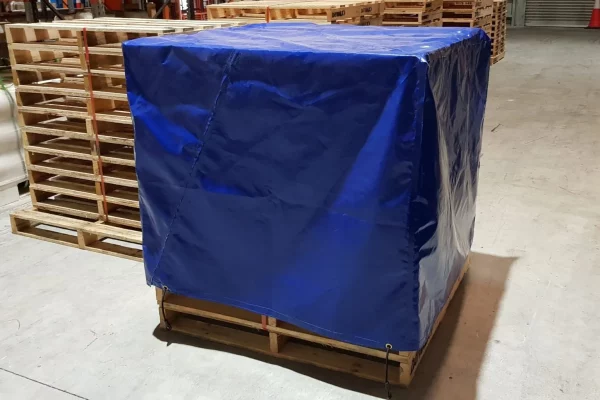
- Loading practices and restraint: load items – such as heavy vehicle components – must be secured properly for transport. The weight should be correctly distributed to prevent damage to the load or the risk of movement or items dislodging during transit – or an emergency breaking situation.
Are you loading and restraining your components properly?
Learn more about our transport systems
Practical Compliance: Systems, Training and Everyday Safe Work
So, what practical guidance can help with day-to-day obligations for businesses and their staff in order to meet CoR and national road law duties? There are a multitude of things to consider and action to ensure safety and compliance with road safety, including:
- Implementation of formal safety management systems – developing compliance programs, procedures for loading, risk assessments for transport operations. Records should show not only that policies exist, but that they’re being followed in practice and reviewed regularly when incidents, near misses or law changes occur.
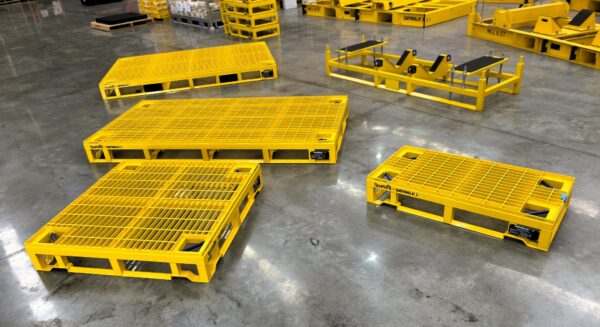
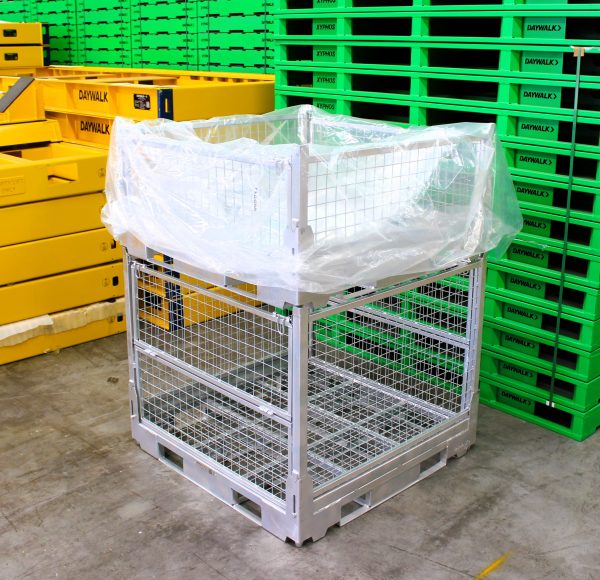
- Use of compliant transport frames – to meet your compliance requirements, certified transport frames that are fit for purpose are required. Transport frames should be designed and built to meet Australian Standards as well as adhering to the HVNL.
- Regular training for staff – keeping staff up to date with the correct and compliant procedures is vital. Refresher training should be conducted at regular intervals, with digital options also helpful for staff to refer to. Also ensure all contractors are fully briefed and properly inducted before working with your organisation.
- Encourage staff involvement – Staff should feel comfortable to report hazards, near misses and unrealistic schedules within the logistics operations of your organisation. A strong safety culture means workers can raise concerns without fear of reprisal, and management can work on rectifying procedures to improve safety and compliance overall.
- Stay on top of updates – when laws change or there is the opportunity to look at new solutions or technology, consider the changes needed for your road safety transport operations. If you’re unsure of the CoR requirements for your component transport operations, reach out to our knowledgeable DAYWALK team to schedule a discussion.
Why Chain of Responsibility Drives Everything We Do
When it comes to transport compliance, there’s no room for guesswork. Your people, your assets, your reputation — they’re too important. The Chain of Responsibility means everyone in the transport supply chain is accountable for safety. No exceptions. That’s why DAYWALK looks at what others overlook. Our transport solutions help make sure your loads are weighed, measured and secured — every time. If you’re concerned about meeting compliance requirements and controlling the cost associated with downtime, damage and delays, book a meeting with DAYWALK and keep your operations moving smoothly.