Simplifying Pump Logistics
For a mining operation, a failed pallet can create more than an equipment problem. It can lead to additional handling, delays and disruption when critical components need to be moved between storage, workshops and operational areas.
The site needed a stronger, reusable solution specifically designed to support, move and store pumps. In addition to this, they needed a standard solution that was fit-for-purpose, so there were no unnecessary delays in pump logistics.
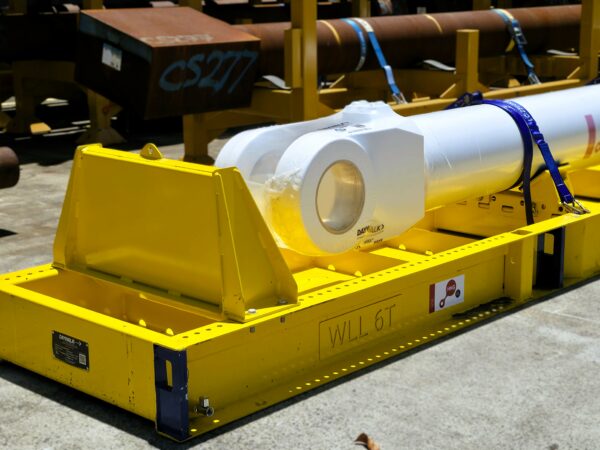
DAYWALK supplied its standard, in-stock Adjustable Pump Frame as an alternative to the failing timber pallets. Designed specifically for pump transport and storage, the frame has a 3-tonne Working Load Limit (WLL) and a nine-way adjustable design. This allows the frame to accommodate different pump configurations and sizes.
The frame is transport rated and incorporates dedicated restraint lugs and external vehicle lashing points to ensure safe and efficient load restraint.
In Stock Pump Frames for a Fast Solution
Rather than continually replacing timber supports and risking component damage, the mine site now had a durable, reusable steel frame designed specifically for the application.
With the new DAYWALK frame arriving quickly to site, our client achieved:
- Improved stability of pumps during handling and transport
- Adjustable frame to suit different pump configurations
- Secure loading with multiple restraint points
- Elimination of failing timber frames which could cause pump damage and operational delays or issues
- A more consistent approach to pump transport and storage
Pump Frames Built for Mining and Heavy Industry
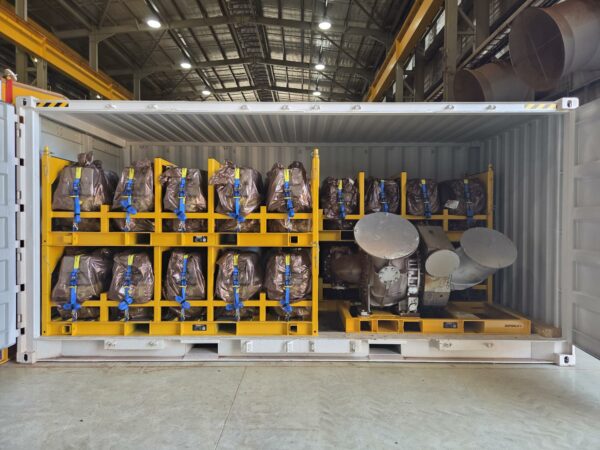
Mining environments demand transport and storage equipment that can withstand repeated handling and harsh operating conditions. DAYWALK’s pump frames are designed specifically for high-value industrial pumps, including vertical sump pumps, and are engineered to provide flexibility across different pump configurations.

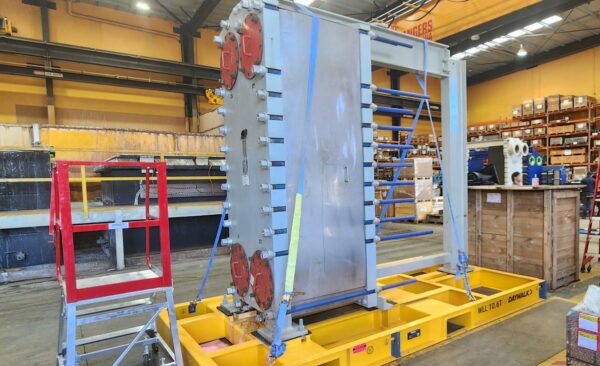
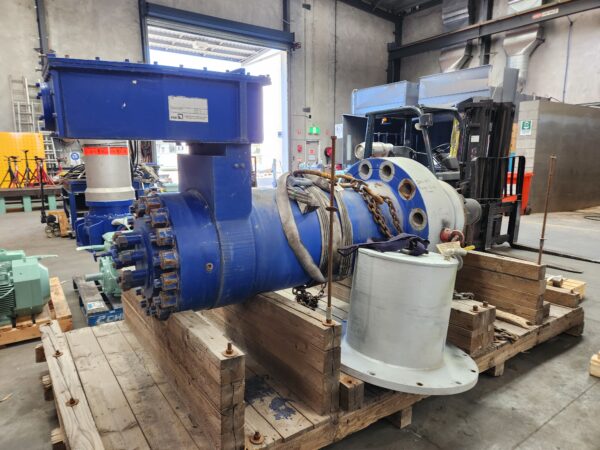
The heavy pump was fully supported by the DAYWALK adjustable system, making handling and transport easier and more efficient.

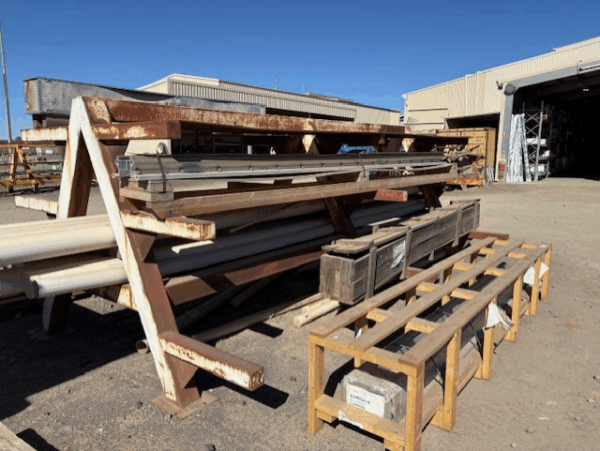
Timber frames didn’t provide a long-lasting or simple option, and failures with the pallets put the component and productivity at risk.