IN-HOUSE FRAME BUILD DELAYS, STRAIN ON PRODUCTIVITY
As a larger equipment dealer managing multiple high-value projects simultaneously, the need for component protection, storage and transport was more than a requirement — it was instrumental to productivity. Cylinders and final drives are essential components, but their rounded shape, heavy weight and unusual shapes make it difficult to store, particularly if they’re kept on standard pallets. Considerable delays occur when original equipment manufacturers have a part delivered that can’t be used due to rust, damage or insufficient frames. This slows down operations, causing a knock-on effect for the mobile plants waiting on the finished equipment.
FACTORING IN LABOUR COSTS
In addition to these delays, there is also the key consideration of inhouse frame builds — and the drain that has on labour costs and productivity. The real cost of building a frame for component transport isn’t just the steel and labour. It’s the high-value repair work that could have been completed instead. Every hour spent building a transport frame is an hour not spent repairing a component, completing a rebuild, or getting equipment back into service. The lost revenue and productivity from that diverted labour can be significant.
IN-HOUSE ENGINEERING SLOWING MOMENTUM
The process of making your own frames can be a slow and tedious one. Steps must include:
- Assessment of component
- Engineering of frame design
- CoR compliance considerations
- Fabrication of frame
- Painting and finishing of frame
Instead of waiting on fabrication, it’s easier and faster for vendors to order frames when they’re ordering their equipment, so the components have the right frame when they arrive on site. This standard frame solution also makes it easier for procurement teams, who are able to order a single solution (suitable for multiple component sizes) without getting involved in a lengthy process.
INEFFICIENCIES WITH CUSTOM ENGINEERING
For mobile plant operations, critical parts need to be moved and stored daily. From cylinders to final drives and motors, there are a multitude of parts in various sizes that require transport to keep heavy machinery in operation. While some mining vendors choose to engineer and manufacture their own frames in-house, this can lead to a range of inefficiencies, including:
- Engineering teams tied up with developing transport frames
- Time spent on transport frames (low return) instead of repairs (high return)
- Manufacturing process hold-ups
- Specific designs for certain parts
- CoR compliance queries and issues
- Wait times on components as frames are developed
- Clients waiting for parts, resulting in downtime on mining projects
COST COMPARISON: INHOUSE BUILDS VS DAYWALK STANDARD FRAMES
When comparing the costs involved with inhouse engineering compared with the value of DAYWALK standard frames, it became apparent to our client that these standard, in-stock frames were a more cost-effective option. Pre-engineered and certified, the DAYWALK frames for cylindrical components of this size saved up to 50% compared with the inhouse building of frames.
Large mining vendors may require dozens — or even hundreds — of frames for component transport. So, when you look at the 50% saving on individual frames, multiplied by the number of frames required, the cost savings can quickly escalate.
MORE COST-EFFECTIVE THAN RE-CERTIFYING OLD FRAMES
Some circumstance, where standards have changed and old frames need to be re-certified for transport, also point to DAYWALK standard frames providing cost saving for vendors.
If a safety or transport standard changes — and frames must be re-certified — it’s often a better option to purchase a new fleet of frames instead of going through the process of re-certification for each old design. It’s just another example of vendors choosing standard frames due to speed and price.
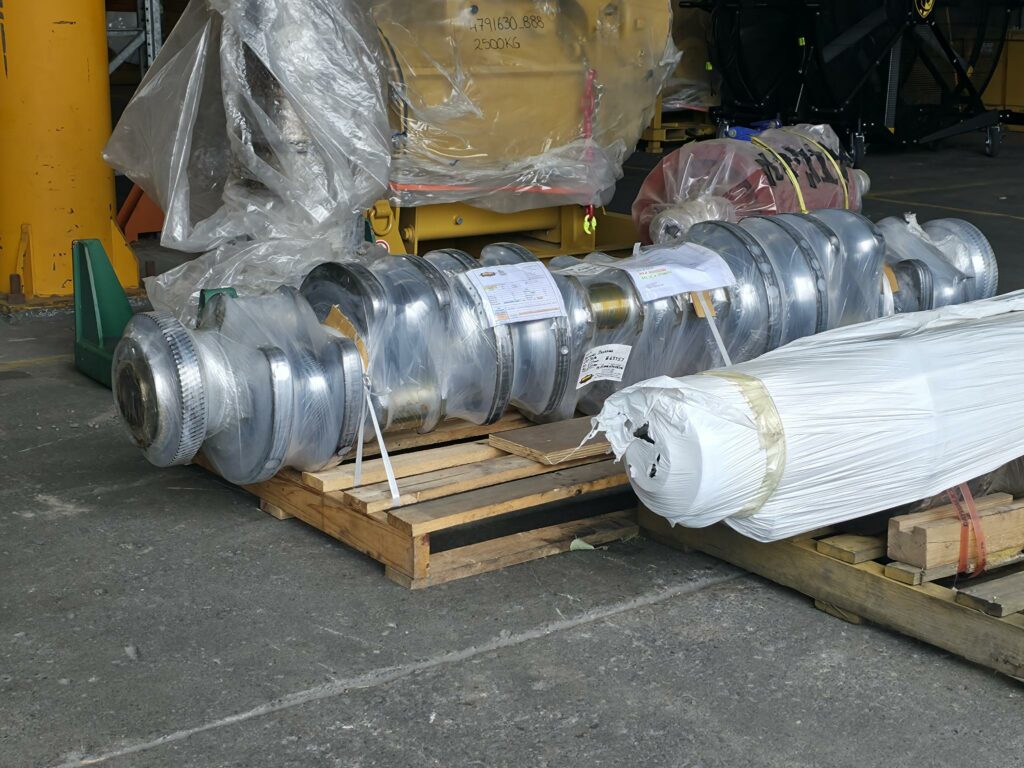
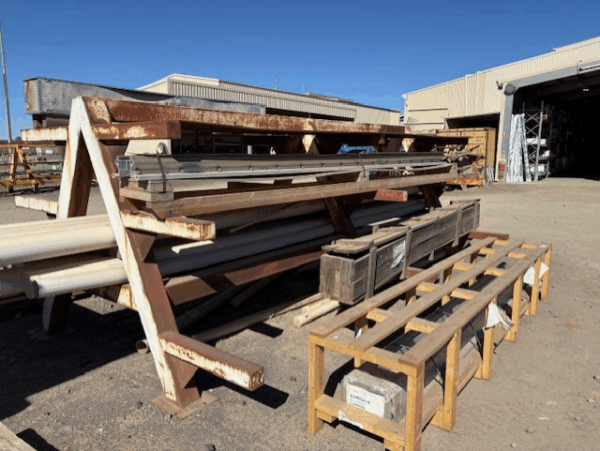
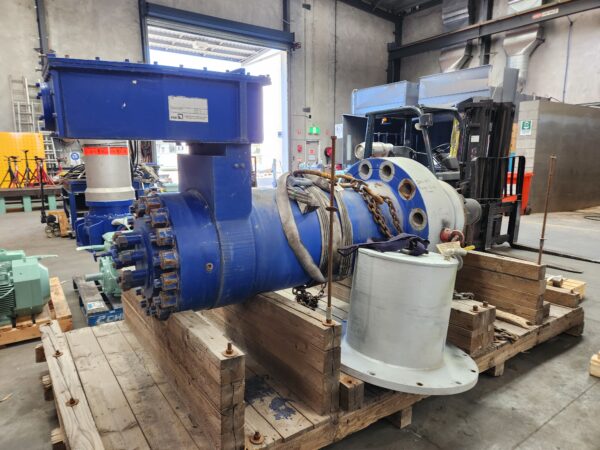
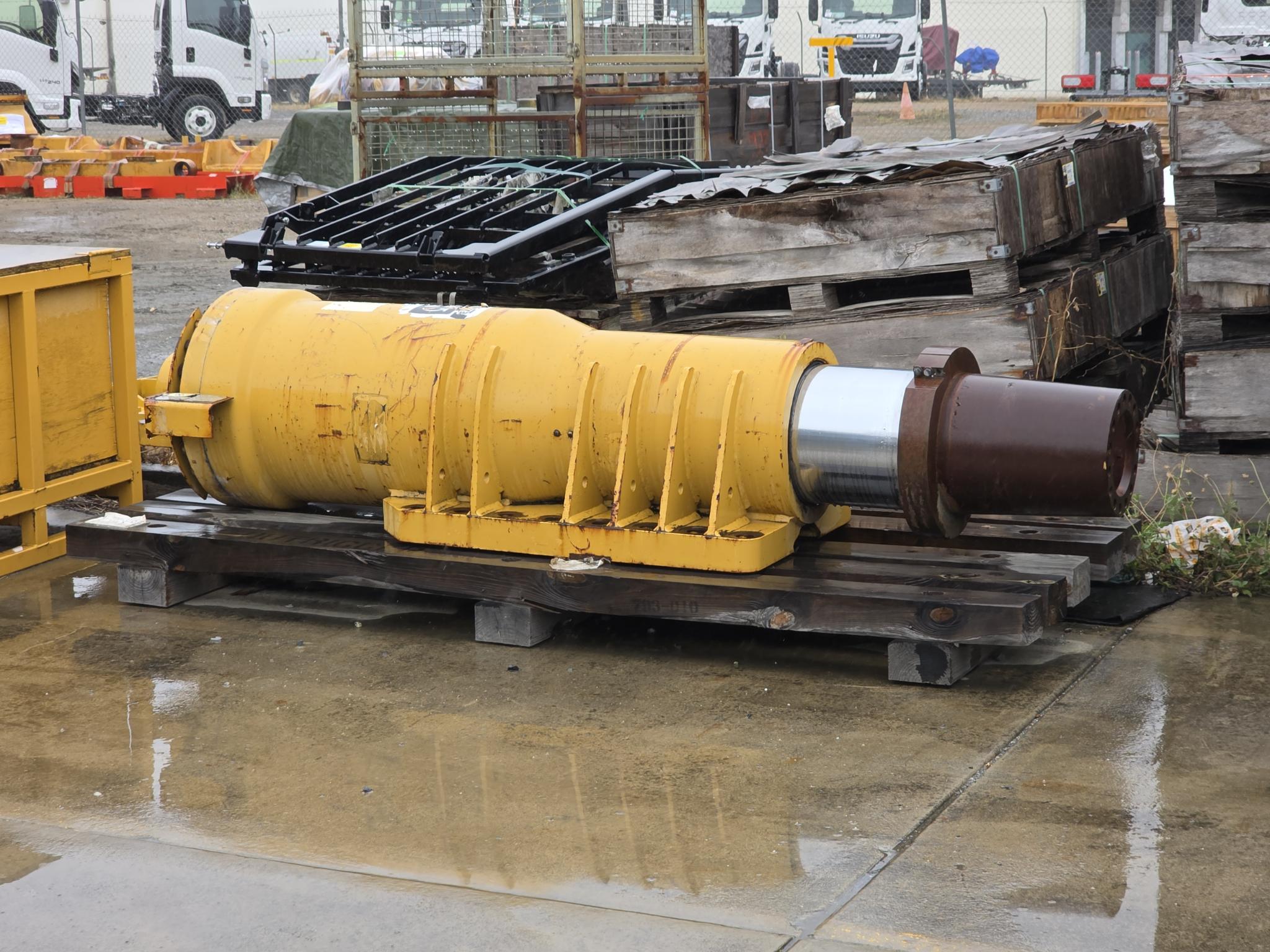
Cylindrical components kept on wooden pallets were difficult to transport, with timber pallets requiring regular replacement.
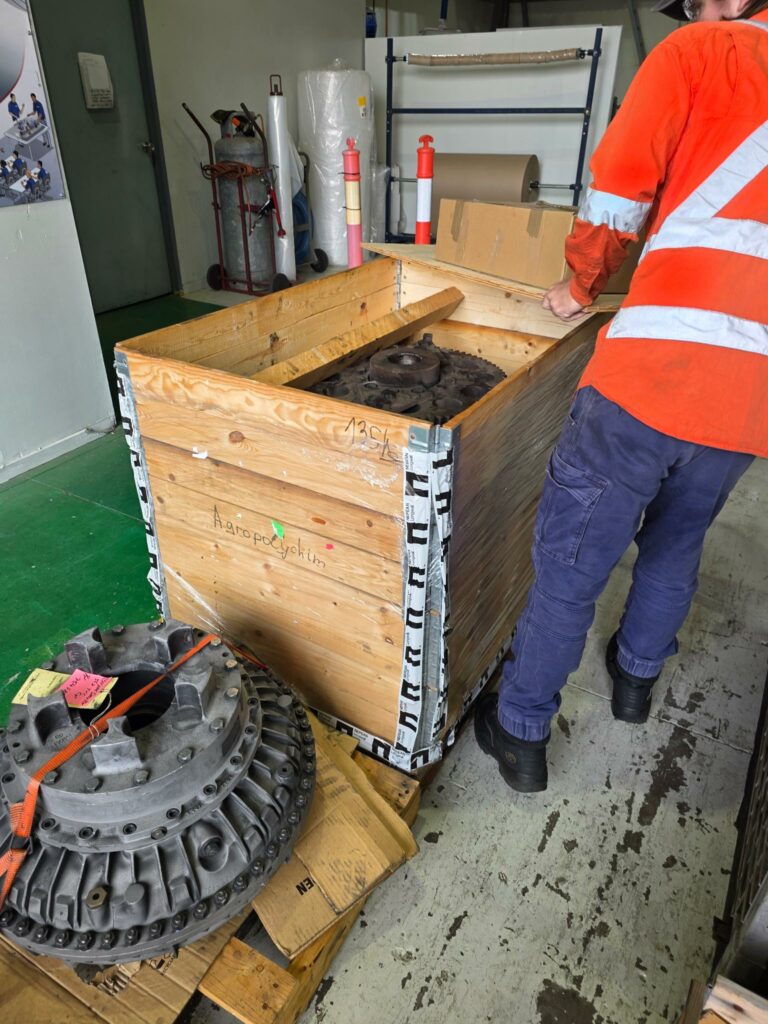
Components kept in timber boxes, were both lacking suitable protection and awkward to retrieve.
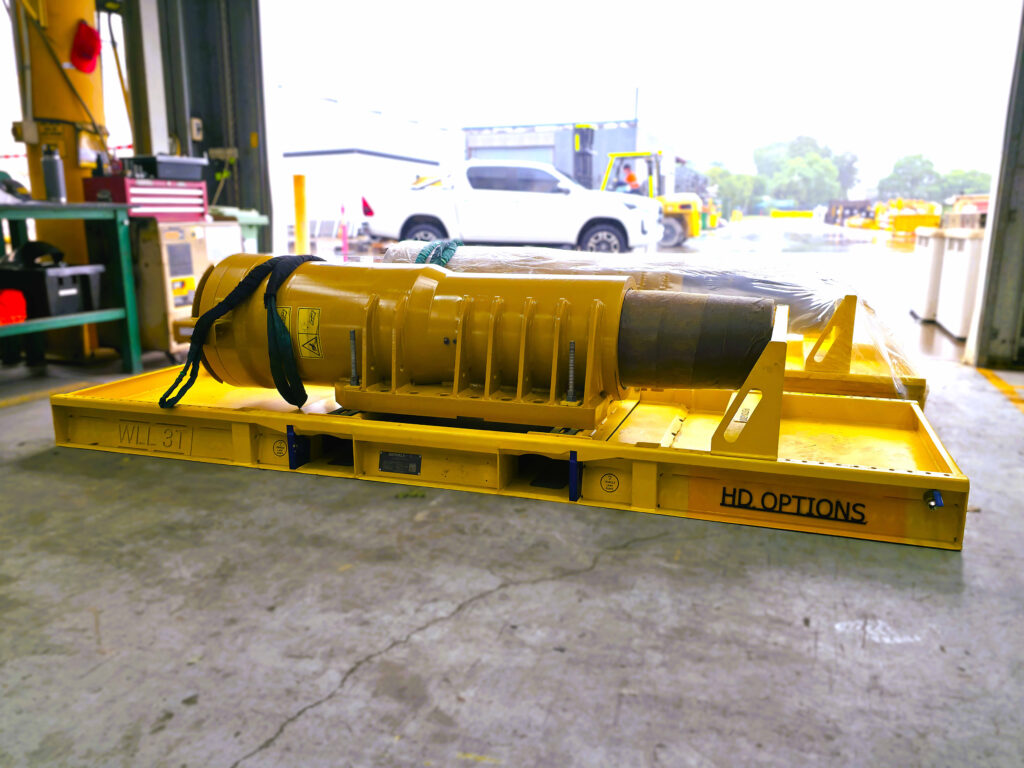
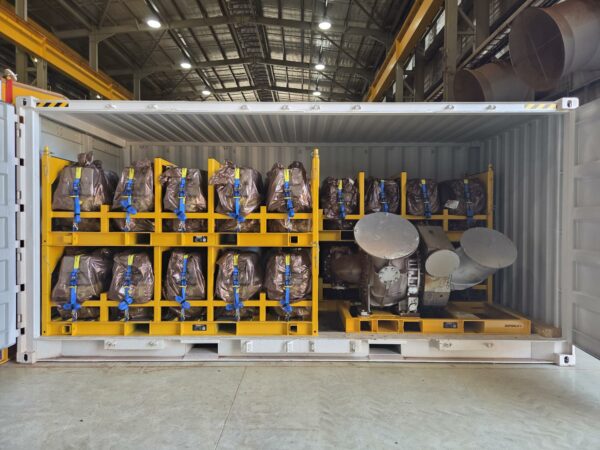
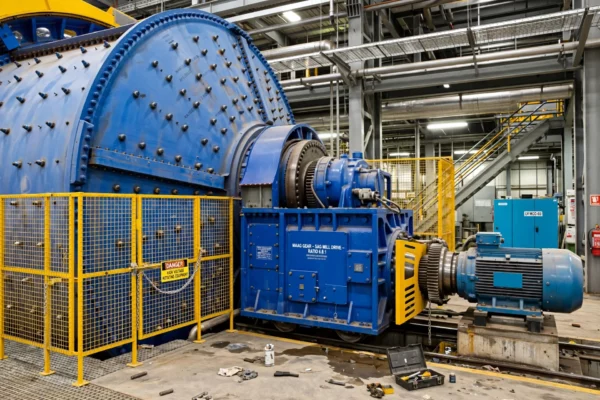
These high-value components required suitable frames and rust protection for the humid climate.
IN-STOCK COMPONENT FRAME SOLUTION
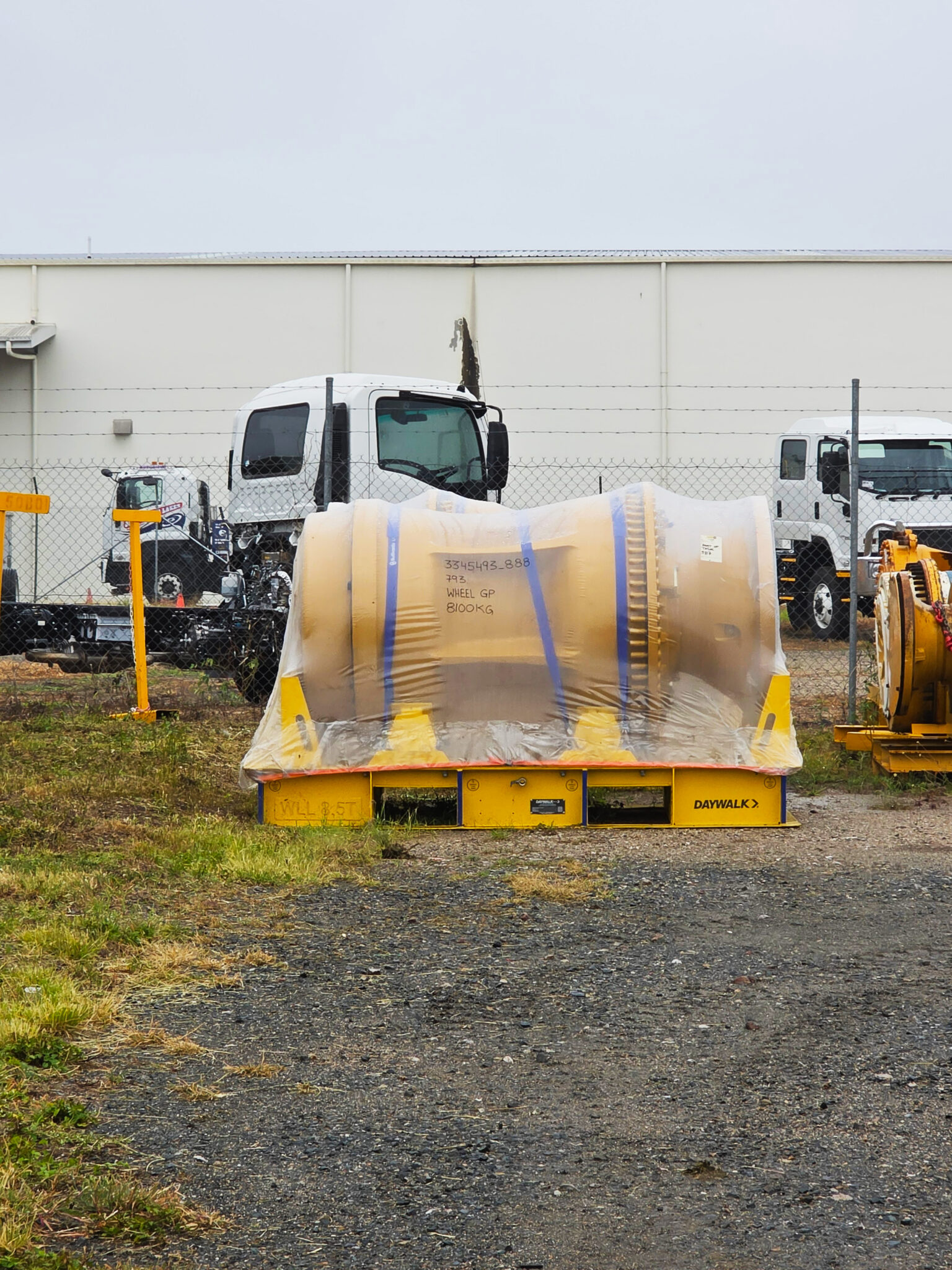
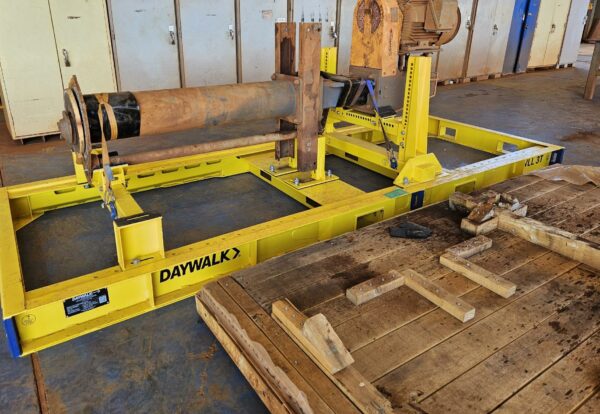
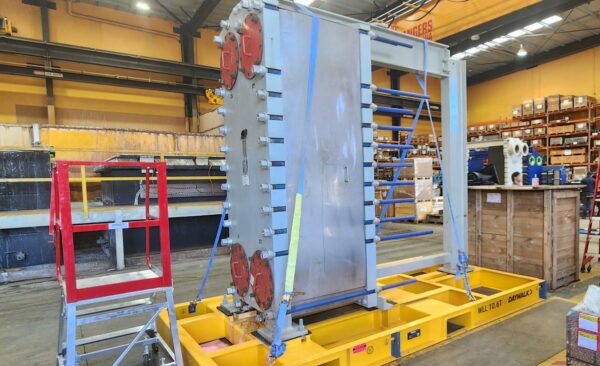
DAYWALK saw the opportunity to streamline operations for the OEM by ensuring that components were protected and ready for use with certified frames and effective preservation. These pre-engineered systems can be adjusted to fit a variety of component sizes, allowing OEMs to re-use the frames for years to come. The solution included Cylinder Frames and Final Drive Frames, complete with accessories to ensure safe transit, such as rubber matting and accessories.
Features of the cylinder and final drive frames include:
- Pre-engineered – as the frames are already standard at DAYWALK, they are available with a short lead time
- Fast dispatch – these standard frames can save weeks of downtime when compared with the fabrication of frames inhouse by OEMs
- Adjustability – as they are component-specific, the cylinder and final drive frames can be adjusted to suit these components in various sizes, providing optimum protection for these component types
- Certified – the transport certification of the frames is a given, but provides an instant advantage to inhouse engineering
Mobile vendors often choose component transport frames including:
- D11 Final Drive Frames – a purpose-build certified frame with a WLL of 2 tonnes, for use with adjustable legs and anti-slip rubber
- 3T Front Strut Cylinder Frames – adjustable transport suspension frame with a WLL of 3 tonnes, suitable for a range of front suspension cylinders
- Medium Spartan Cylinder Frames – Spartan duty option for cost-effective cylinder storage and transport, up to 800kg