Plastic pallets are often considered when businesses need a more durable alternative to timber and a lighter, lower-cost option than steel. Understanding how much weight plastic pallets can hold helps ensure loads are handled safely and efficiently, without disruption to operations.
Key Takeaways
- How much weight can plastic pallets hold? Our heavy duty pallet plastic 2T can hold 2,000 kg.
- The weight capacity of plastic pallets varies based on size, structure and reinforcement.
- Suitable for light to medium-duty use, but not always ideal for heavy industrial loads.
- For higher load demands, engineered steel solutions provide greater reliability.
Why Strong Pallets are Required
Pallet strength directly impacts safety and uptime. If a pallet fails, it leads to damaged equipment, delays and downtime.
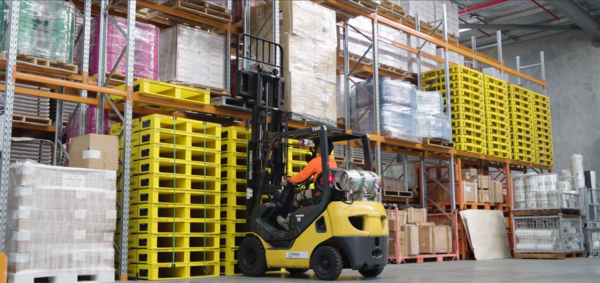
Pallets must handle different load types. Static loads apply when goods are stored in place. Dynamic loads occur during lifting and transport. Long-term storage, including racking, adds sustained pressure over time.
Stronger pallets are designed to perform under all three conditions, reducing failure risk and keeping operations moving.
How Much Weight can Plastic Pallets Hold?
The answer depends on how the pallet is built and its intended plastic pallet weight limit.
Most plastic pallets support:
- Up to 4,000 kg static load
- Around 1,000–1,500 kg dynamic load
- Lower limits for racking, depending on reinforcement
This means they are reliable for consistent, medium-duty applications. However, they are not typically used for extremely heavy or high-risk loads.
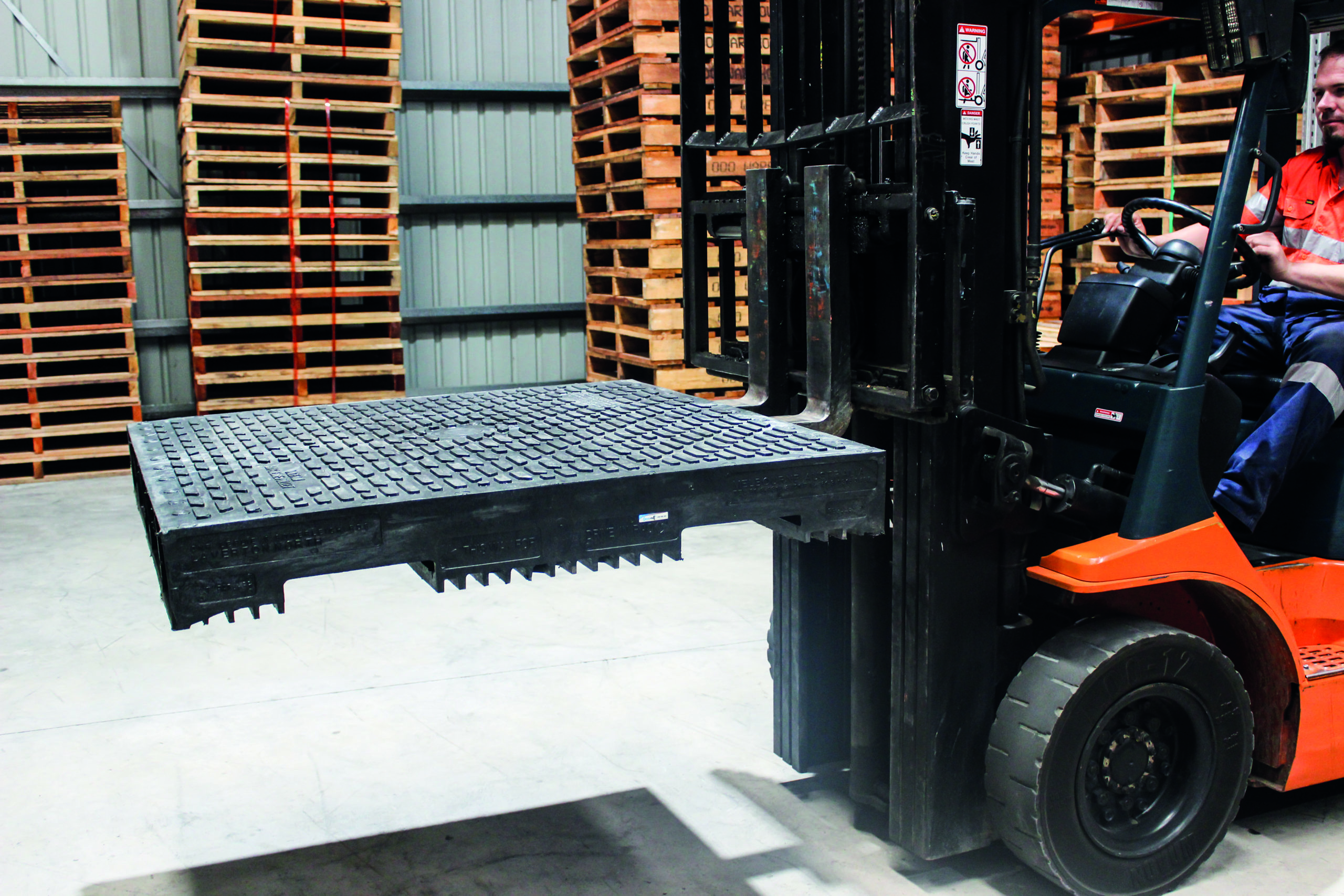
DAYWALK’s heavy-duty plastic pallet is designed to handle higher capacities within this category, offering improved durability for demanding environments.
How do Plastic Pallets Compare to Timber and Steel Pallets?
Plastic, timber and steel pallets each serve different roles depending on the load, environment and level of risk.
Plastic pallets are resistant to moisture, chemicals and corrosion. This makes them suitable for controlled environments, including food handling, liquids and certain chemical applications. They are also lighter than timber and steel, which can reduce transport costs and manual handling effort. However, their load capacity is typically limited to light and medium-duty use.
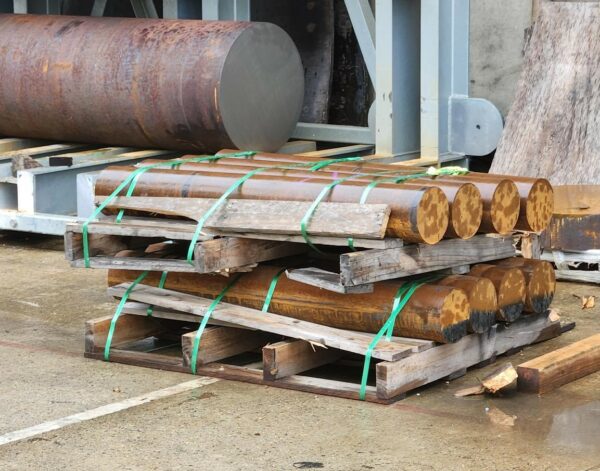
Hardwood pallets are widely used for general applications. They can handle moderate loads and are cost-effective upfront, but moisture can affect them over time. Their strength may vary, making them less reliable for long-term or high-risk use.
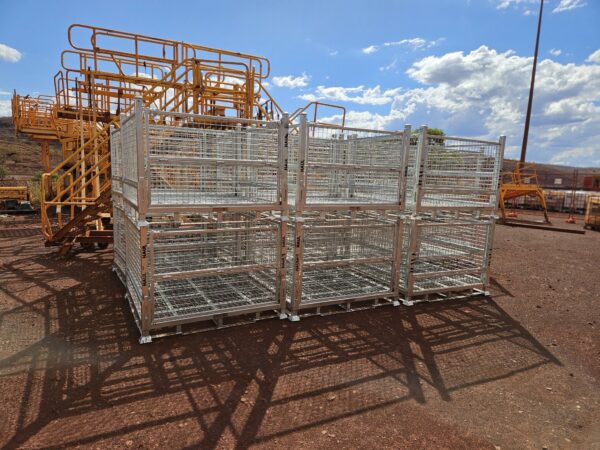
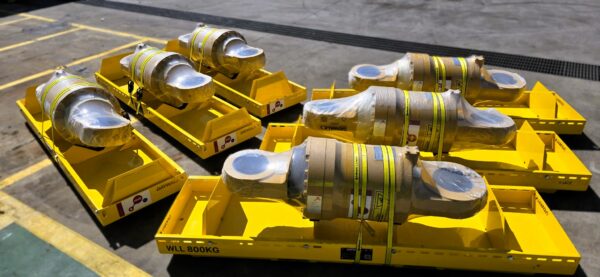
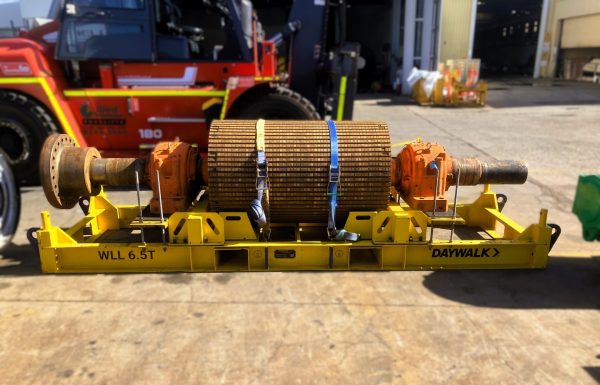
Steel pallets are built for heavy-duty and high-risk applications. They are suited to transporting industrial equipment, large components and critical assets. Steel offers the highest load capacity, consistent performance and long-term durability, but comes with a higher upfront cost and weight.
In terms of sanitation, plastic pallets are the easiest to clean and maintain. Timber is the most difficult to sanitise, while steel sits in between, depending on coatings and conditions.
For a more detailed breakdown, see choosing between steel, wooden and plastic pallets.
Choose the Best Pallet for Your Needs at DAYWALK
Understanding how much weight plastic pallets can hold is a starting point. The right choice depends on your load type and environment.
Plastic pallets suit consistent, medium-duty applications. Timber works for general use. For heavy, high-value or mission-critical loads, steel provides greater strength and reliability.
DAYWALK delivers engineered solutions built for performance in demanding conditions. Our products are designed to reduce damage, improve handling and maintain uptime across your operation. We back every solution with practical experience in heavy industry and a commitment to keeping your business moving.
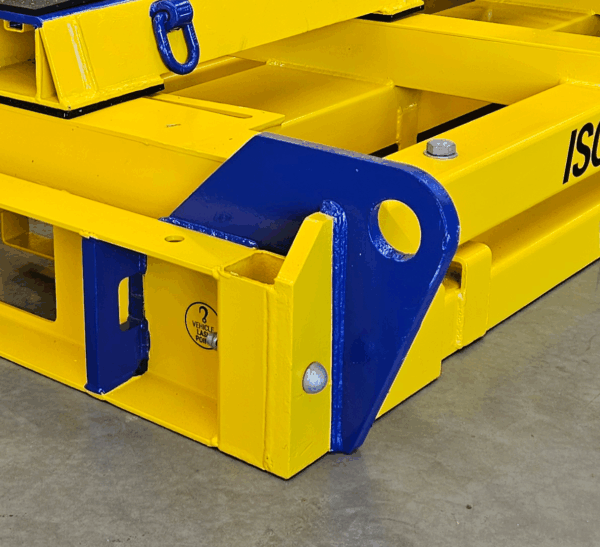
Explore our industrial storage solutions and certified transport frames to find the right fit.