Difficulties with Storing Heavy Components
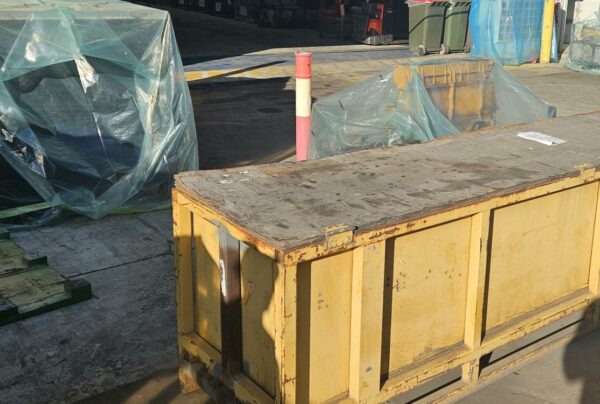
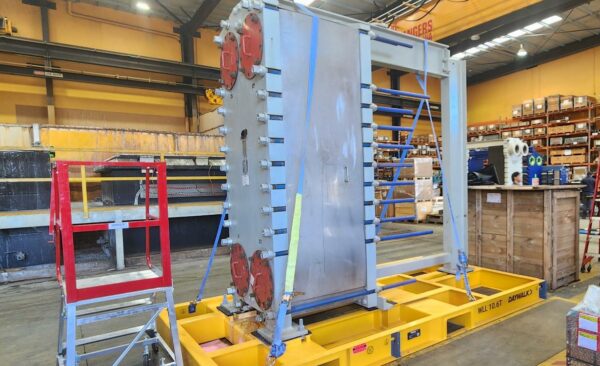
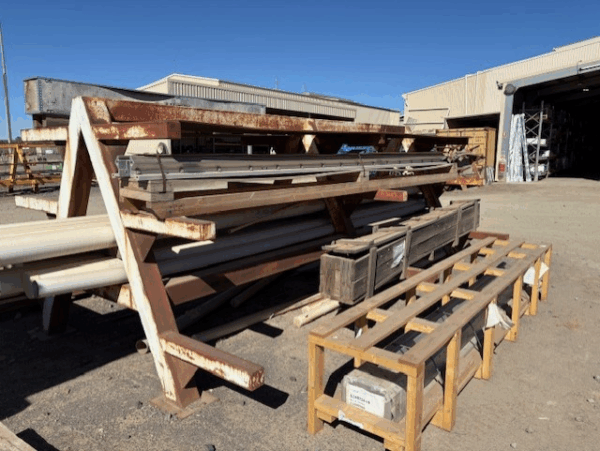
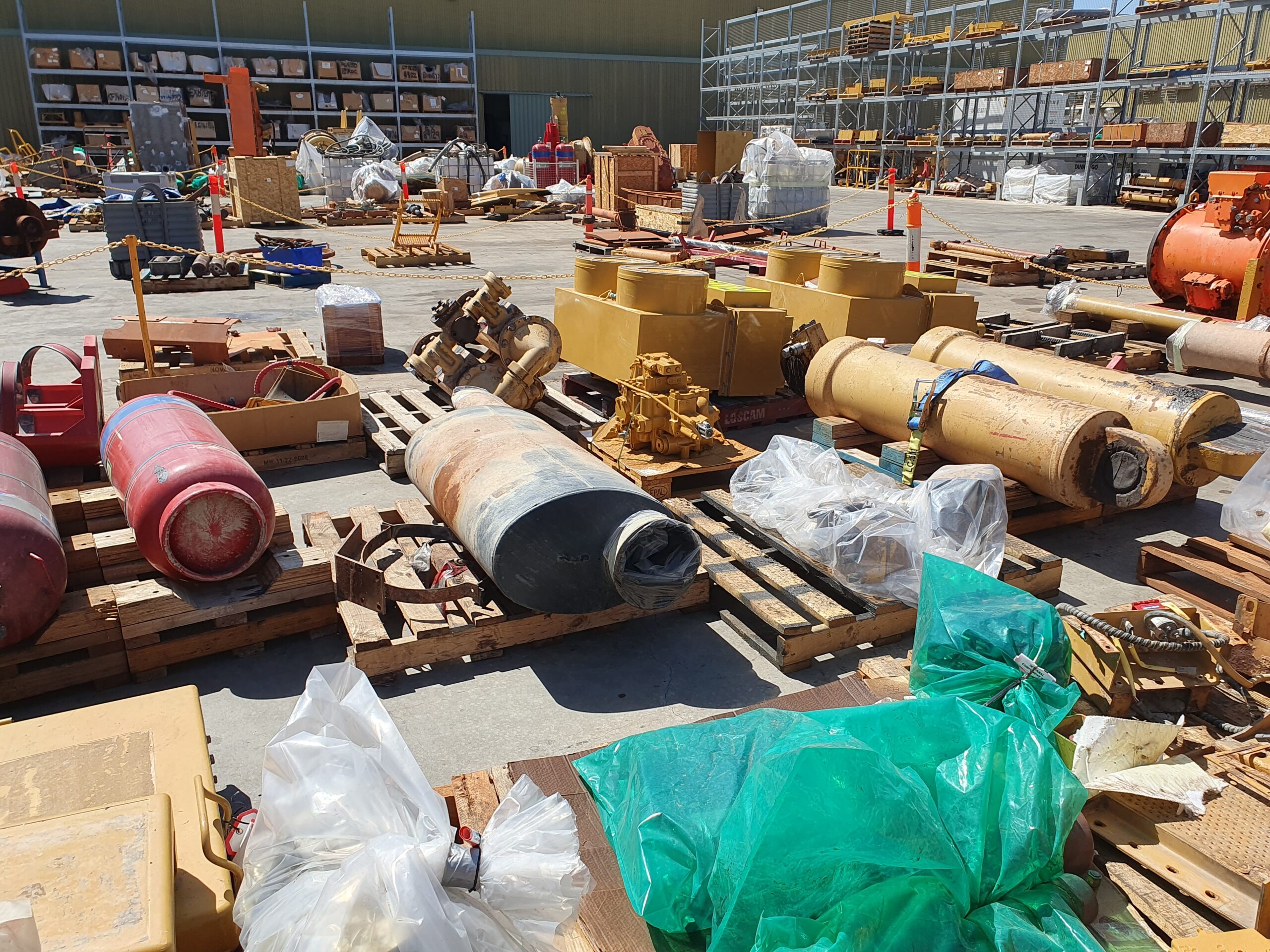
Peter McKinstry, Supply Chain & Asset Management Consultant, determined that components were stored directly on the warehouse floor, or on transport skids. This made the transport or movement of these items a difficult process, as well as prohibiting operators from stacking items or using the vertical space. Conventional pallet racking wasn’t suitable for many of these bulky, heavy components. And relocating the large inventory of parts comes with significant ongoing storage costs, as well as the challenges of relocation if an expansion was required.
“I was looking for a solution from DAYWALK, similar to what I was using with steel pipe stillage in a vertical stacked warehouse,” he explained.
“I needed a storage system that would reduce our footprint in warehouse by 60%.”
– Peter McKinstry, Supply Chain & Asset Management Consultant
Engineered Storage Innovations
A solution to make better use of existing vertical space without compromising the safe storage and accessibility of critical components was required, so DAYWALK’s Technical Consultants and Inhouse Engineering team were enlisted for the project.
The goal was to develop a heavy-duty, mobile storage structure that could take the weight of mining components, as well as providing excellent ROI for the storage system.
“With payback of 6 months by rationalising our warehousing for the project.”
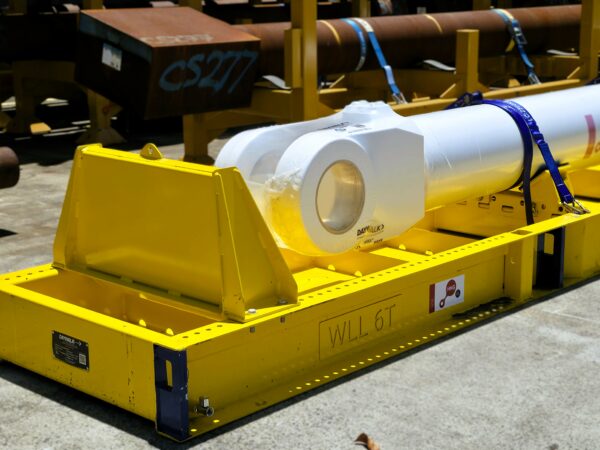
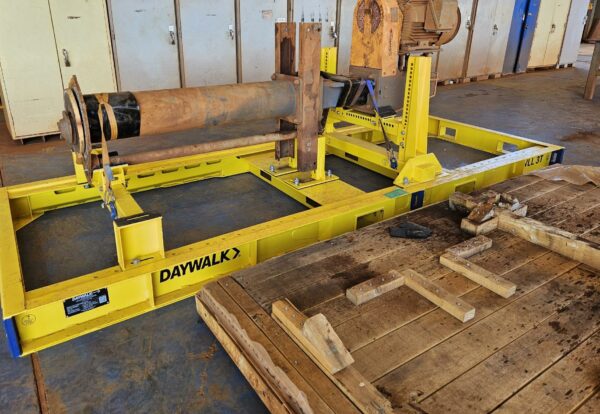
DAYWALK’s engineers worked with the site to turn the concept into a practical storage solution. The design was inspired by mobile stillages and flat-rack style storage used in other heavy industrial environments, but scaled and engineered for the larger, heavier components found on mine sites.
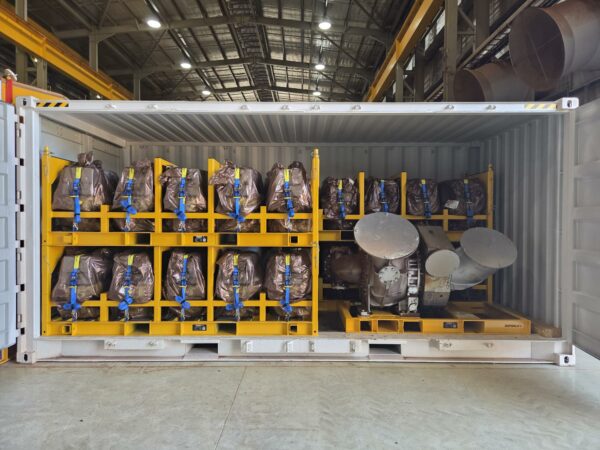
The resulting multi-level storage system allowed bulky components to be stored above one another, significantly increasing the use of available vertical warehouse space.
Benefits of Going Up, Not Out
For critical spares such as gearboxes, pumps and other high-value equipment, the objective isn’t simply to find somewhere to put them. These components need to be stored so they can be quickly identified and deployed when needed.
The engineering approach of maximising vertical space for heavy components provided a way to rethink how critical mining spares could be stored. Instead of treating the warehouse floor as the only available storage area, the solution made use of the vertical space above it. However, the real benefit of this system is that it’s purpose-built for heavy components, so the structure is designed to support large weights, up to 14T UDL each level, with options for customisations to take even more weight per level.
These 2 or 3 level storage solutions offer an alternative for operations managing heavy components; helping sites maximise existing capacity while maintaining access to critical spares.
This solves a range of issues including:
- Wasted space – component sitting on pallets, taking up valuable floor space
- Lack of organisation – without a multi-level system that could keep related parts in the same area, parts could be difficult to locate
- Heavy parts – due to the weight and size of the components, alternatives were few and far between
- Relocations & expansions – the ongoing expense of high-volume storage is significant, so a mobile solution that can move with a business provides a solid once-off investment
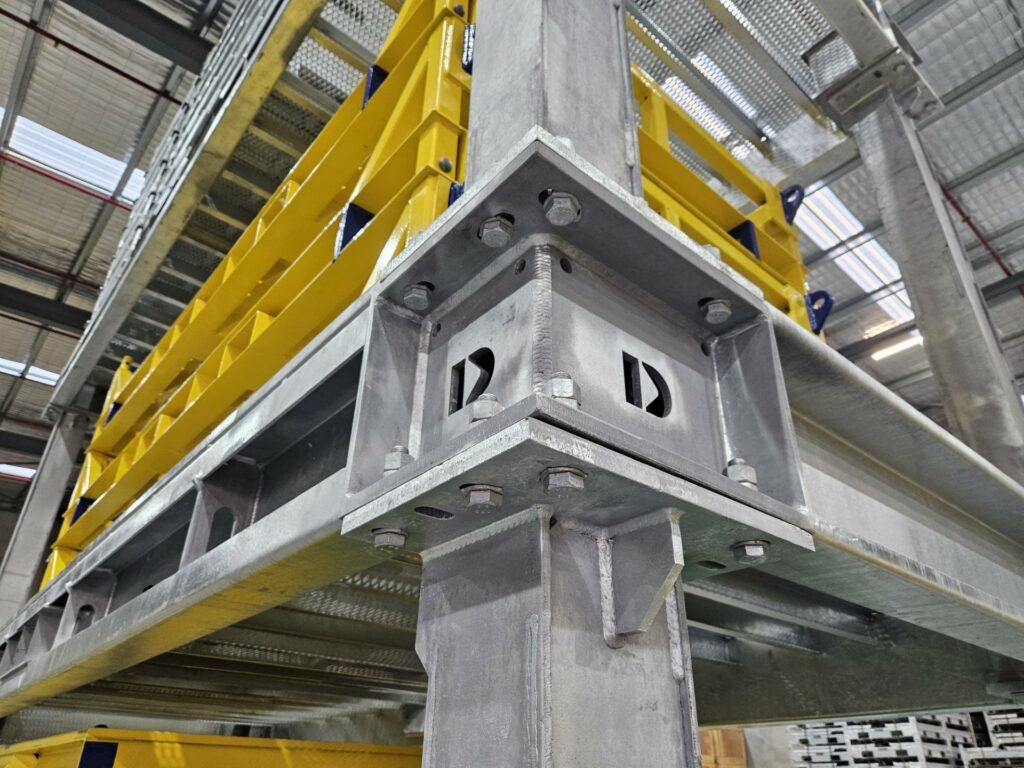
The Stor-Rak concept was developed to improve storage options for busy workshops, warehouses and sites that have limited floor space.
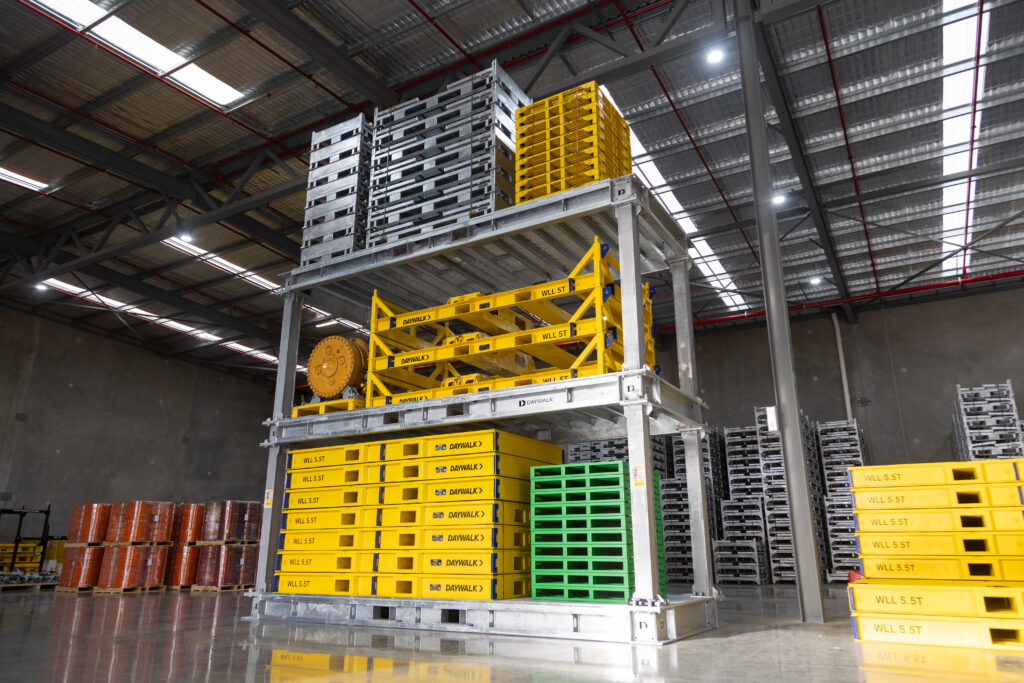
The DAYWALK engineering team provides a solution in a 2- or 3-level kit that can be assembled onsite and relocated with the business.