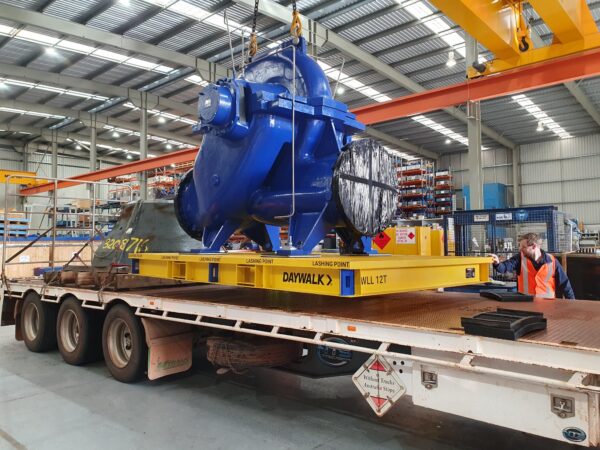
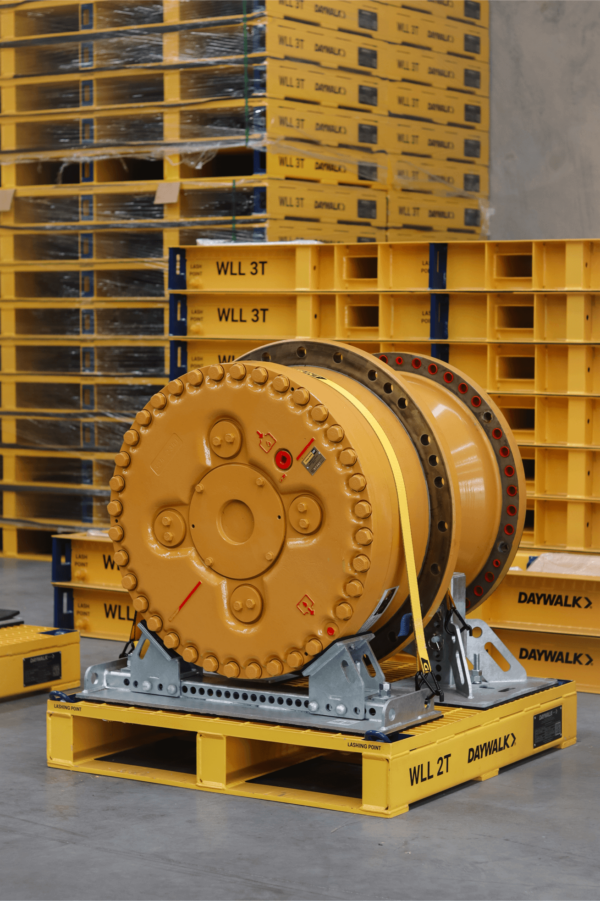
High-value component transport in Australia can be a tough job. With the combination of extreme weather, searing heat, endless kilometres of remote road and rough surfaces all pointing to the need for reliable transportation systems. Transport frames, in particular heavy vehicle component transport frames, are an important part of this journey – but what are they, what do you need to be looking out for, and which ones will suit your components?
This article covers frame types, design features, compliance requirements, and how to choose the right transport frame for specific heavy industries operating in demanding environments.
What Are Transport Frames?
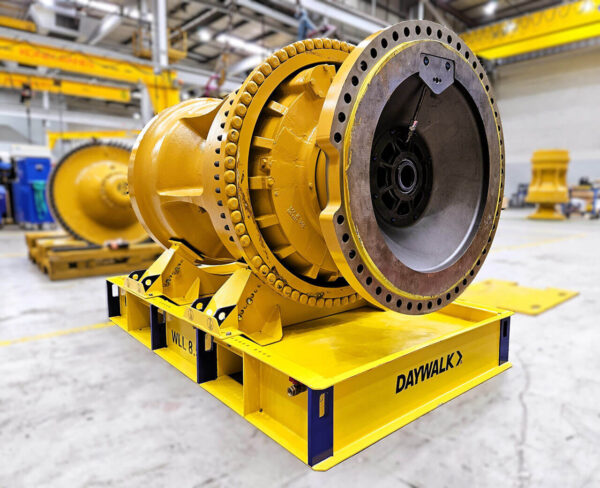
Transport frames are engineered steel structures designed to support, restrain, and protect heavy components during road transport. These frames can be in the form of steel pallets or purpose-built to suit a specific component’s shape, weight, centre of gravity and lifting points.
Range of Transport Frames
So, what types of transport frames are required in mining, oil & gas or with OEM part maintenance and repair? Consider the range of large, heavy and awkwardly shaped equipment that requires transport.
Transport frames are required for the relocation of high-value components including:
- Motors
- Cylinders
- Pulleys
- Pumps
- Final Drives
- Gear Boxes
- Transmissions
- Other Large, Round Components
Why Transport Frames Matter for Efficiency, Cost-Savings and Compliance
Properly designed transport frames represent a key control measure for managing risk in heavy vehicle transport operations. When you’re moving components that weigh several tonnes, the consequences of failure extend far beyond damaged equipment—they include serious injuries and fatalities.
Industry data underscores the stakes. Records from mining operations indicate that frame-related incidents comprise a significant portion of off-road vehicle downtime, with frame failures linked to both component damage and worker injuries.
Fatigue cracks at weld points and inadequate restraint systems remain leading causes of transport incidents involving heavy components.
Why Are Certified Transport Frames Required?
Certified frames are those that meet the standards and law of the region. In Australia, engineering certification for transport frames must meet the Performance Standards in the Load Restraint Guide. They must also meet Australian Standards and comply with the Heavy Vehicle National Law – otherwise known as HVNL.
These certified frames meet compliance obligations, allowing operators to transport safely.
Transport frames, particularly in mining, oil & gas and OEMs, must stand up in harsh environments. Think about remote mine sites with extreme dust and temperature swings, and heavy-equipment workshops where they’re loaded and unloaded repeatedly.
A well-designed frame isn’t a single-use item; it’s built for years or decades of reliable service — across multiple transport cycles.
Frames Preventing Failure & Injury
Transport frames prevent the three primary failure modes during transport:
- Load shifting
- Component roll-over
- Tipping during handling
Frames with designated crane lifting lugs and forklift pockets reduce the risk of dropped loads during craning operations. Standardised designs, such as transport frames within the DAYWALK range, mean fewer manual handling tasks and better separation between workers and moving equipment.
With the frames also being readily available and in stock, operators don’t have to wait 4-5 weeks for a custom engineered frame to transport their heavy equipment components.
This allows enterprises to transport quickly, efficiently and without the worry of frame failure and equipment damage.
Types of Transport Frames for Heavy Industries
Different frame geometries and configurations suit different components and transport methods. While mining, oil & gas, and OEM parts often require custom-built frames matched to specific part numbers, most designs build on standardised base configurations.
The main categories include:
- Heavy duty frames – otherwise known as heavy duty steel pallets
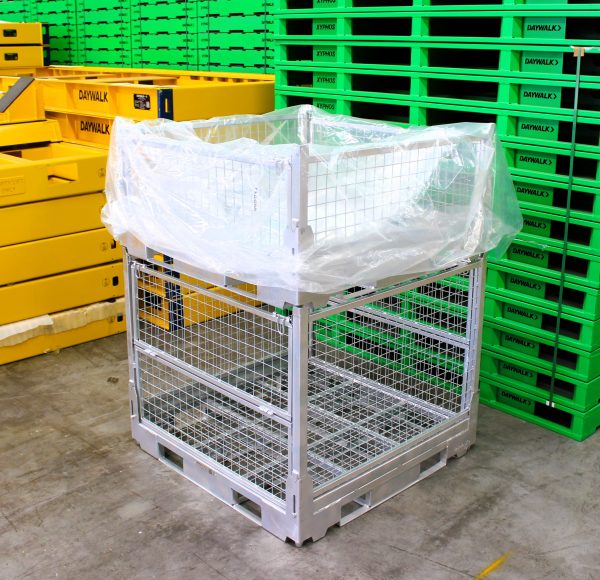
- Cost-effective metal frames – such as the DAYWALK Xyphos and Spartan products
- Cylinder frames – for the transport of high-value cylinders for mobile plants
- Final drive frames – these large, heavy, partially round final drives require specific transport frames for optimum efficiency
- Pump frames – pumps for fixed plant operations can easily become dislodged during emergency braking, therefore requiring adjustable solutions
ROI: The Cost Benefit of a Compliant Transport Frame
From a business perspective, the financial case is equally compelling. Lower damage rates for expensive components translate directly to reduced repair costs. Fewer transport delays mean improved asset turnaround time for mining and energy projects operating on tight shutdown schedules.
When a component worth hundreds of thousands of dollars arrives safely, the transport frame has paid for itself many times over.
Of course, the opposite of this is the huge cost of downtime when things go wrong, such as a component falling off a frame, a frame failing in transport or a load being inadequately restrained in an emergency braking situation.
Early engagement between operations, maintenance, logistics teams, and engineers pays dividends. When the people who will use frames daily have input into specifications, the final design better serves actual operational needs.
The total lifecycle cost — initial manufacturing plus years or decades of reuse —beats cheaper improvised solutions.
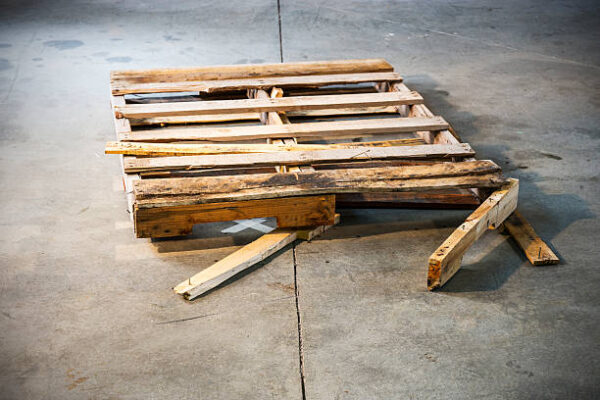
A certified frame that costs $15,000 upfront but serves reliably for 10 years represents far better value than repeated timber crating or improvised supports that create compliance risks and potential damage.
You can explore the DAYWALK range of transport frames here – or organise a meeting with our team who can identify the best solution.
Choosing the Right Transport Frame
Selecting the right transport frame follows a logical process:
- Identify budget so the right solution is investigated
- Consider the type of load/s, including Centre of Gravity, Dimensions, Weight and restraint requirements
- Provide technical drawings or scans of the component
- Leave it to DAYWALK!
Consider both current and future components when making decisions. Standardising where possible reduces the number of frame variants in your fleet, simplifying training, maintenance and spare parts inventory. DAYWALK makes this easy with adjustable transport frames that can be easily and quickly re-used with other components. This extends the lifespan and flexibility of your frame.
See how we’ve helped customers save money and efficiency with our Case Studies
DAYWALK for Certified Transport Frames
For industries handling heavy vehicle components, the difference between a certified transport frame and an improvised solution can mean the difference between a safe delivery and a catastrophic failure. A damaged frame can result in downtime, component damage and even risk to the driver and others on the road. And when you add that up, the cost of an inadequate transport frame could escalate quickly – with potential to not only cripple your daily operations but damage your business and impact your company’s reputation.
As a specialist in the design and engineering of compliant and long-lasting transport frames, DAYWALK has an off-the-shelf or custom solution to suit any project for mining, oil & gas and OEMs parts. Reach out today and let us help you keep your business moving.